


I remember upgrading the AC in my own Dallas home last summer. The Texas heat pushed me to compare Trane’s 2-ton systems. You face similar choices today. Trane’s 15.2 SEER2 edges out the 14.3 for efficiency in hot climates. It saves more on bills over time. Texas summers can be very hot, so you need a reliable SEER2 system to keep your home comfortable during the heat of July.
A 15.2 SEER2 unit uses about 10% less energy than the 14.3 model.
Gas systems work well in cold weather. Heat pumps are great for mild winters. Electric systems are good for the environment. This upgrade usually pays for itself within five years of normal use. Let’s look at details, prices, and what fits best for homes in DFW.
| TL;DR: For DFW homes, a 15.2 SEER2 Trane 2-ton system is 8–10% more efficient than 14.3, saving $150–$200/year and offering better cooling, humidity control, and comfort. That’s why it’s worth the slightly higher upfront cost. Heat pumps are the best all-around choice for energy savings, gas is better for colder days, and 14.3 SEER2 works if you’re on a tight budget. |
First, Have A Little Introduction To SEER2
SEER2 rating measures how efficiently an AC cools your home over a season. It updates the old SEER standard for real-world performance.
Regulators set SEER2 as the new benchmark in 2023. A higher rating means better energy use. For example, Trane’s 15.2 SEER2 rating handles DFW’s humid summers well. It cuts cooling costs by 10-15% compared to lower-rated models.
EER2 adds peak efficiency details during heat waves. That’s how you can compare 14.3, 15.2, 17, and 18 SEER2 Systems and choose the right one for your home.
A Quick Comparison: Trane 2-Ton 14.3 SEER2 vs 15.2 SEER2
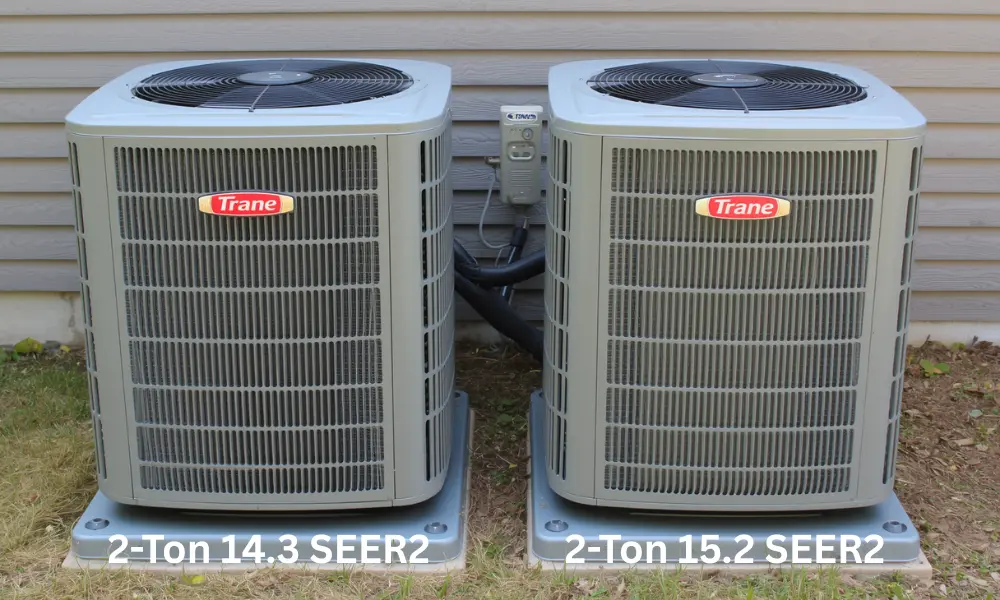
Trane’s 15.2 SEER2 is better than the 14.3 for saving energy and keeping homes comfortable in DFW. The 15.2 SEER2 is quieter and uses less electricity than the basic 14.3 model. It works better when it is very hot outside, especially when the Texas sun shines on your roof.
When you decide which efficiency tier you should buy among the 14.3, 15.2, or 17 SEER2 options, the local climate plays a huge role. The 15.2 unit has a better compressor for hot summer days.
It also removes more moisture from the air, making your home feel fresh and dry. Picking this higher rating helps keep your home comfortable when it gets hot outside.
| Feature | 14.3 SEER2 | 15.2 SEER2 |
| Efficiency (SEER2) | 14.3 | 15.2 |
| EER2 (Peak) | 11.7 | 12.5 |
| Noise Level (dB) | 72 | 70 |
| Stages | Single | Two-Stage |
| Refrigerant | R-454B | R-454B |
| Equipment Cost | $2,500 | $3,000 |
| Efficiency Gain | Baseline | 8-10% Higher |
| Compressor Type | Single Stage | Single Stage Plus |
An expert from HVAC Service Pro recommends Trane for its build quality. It lasts in Texas weather. Even so, we offer both models to fit your specific budget and your home comfort goals.


Is 15.2 SEER2 Worth It Over 14.3 SEER2?
The 15.2 SEER rating helps you save money on your bills and provides a good return on your investment.
Many DFW homeowners ask if the upgrade is worth it when choosing between gas or heat pump configurations, and usually, the utility savings confirm it is. You can expect to get your money back in about five to seven years.
Upgrading to 15.2 SEER2 makes your system about 6% more efficient. In DFW, you can save $150-200 each year on electricity.
SEER rating calculators support this estimation for 2-ton units. You can get your money back in 3-5 years with rebates and tax credits from your utility company. Texas offers up to $1,200 through IRA credits for high-efficiency units.
This upgrade lowers your summer electric bills a lot. I saw the difference when I switched during the hottest days.
If you keep your thermostat set to a cooler temperature, you can get your money back even faster. Most homeowners think the extra comfort is worth the small extra cost at the start.
Gas, Heat Pump, and Electric: Full System Comparison for Trane 2-Ton
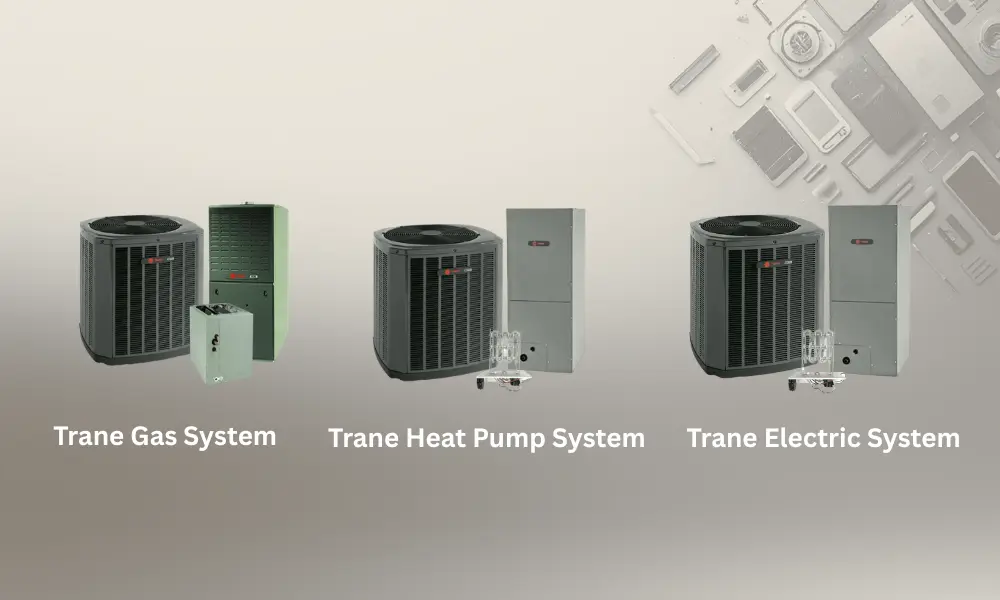
Gas systems give strong heat, while heat pumps are very efficient for our mild winters in DFW.
A dual-fuel system mixes a gas furnace with a heat pump, giving you great flexibility. This system lets you change fuel sources depending on energy prices. Trane makes these systems to last many years, even in tough weather.
| System Type | Heating Source | SEER2/HSPF2 | Installed Cost | Annual Operating Cost (DFW) | Best For |
| Gas (Furnace + AC) | Natural Gas | 14.3-15.2 / N/A | $5,000-$7,000 | $800 (gas therms + electric) | Cold snaps |
| Heat Pump | Electricity | 14.3-15.2 / 8.0 | $6,000-$8,000 | $600 (kWh) | Mild winters, high gas prices, year-round savings |
| Electric (AC + Strips) | Heat Strips | 14.3-15.2 / N/A | $4,500-$6,500 | $900 (kWh) | Eco-setups, small budgets |
I prefer the heat pump option for its versatility and its ability to lower carbon footprints. Also, a heat pump is cheaper than a gas furnace for a 3-ton 14.3 vs 15.2 SEER2 Systems.
A Trane 2-ton 15.2 SEER2 heat pump (such as the 5TWR5024A1000) is typically paired with a 1.5–2.5 ton or 2-ton multi-speed air handler. Modern Trane heat pumps keep homes warm even when the outside air feels quite chilly.
Data from installs shows 20% lower runs than gas in moderate climates. HSPF2 around 8 ensures solid heating. HVAC Service Pro installs all three types with precision to ensure your home remains perfectly cozy.


System Sizing and Compatibility for 2-Ton Trane
A 2-ton Trane is ideal for 1,200-1,500-square-foot homes in DFW zones. In those zones and specific cases when a high-SEER2 Trane system actually makes sense over sticking to the standard base models, such as in homes with very high ceilings.
Make sure your indoor coil matches your outdoor unit according to AHRI standards for optimal performance.
I often heard whether we could pair a Trane 2-ton condenser with an existing furnace. Well, make sure that condensers are compatible with existing furnaces by matching BTU ratings. Also, the furnace blower can handle the airflow, and the refrigerant type, such as R-410A or R-454B matches the evaporator coil.
However, using an old coil with a new SEER2 condenser can cause problems. The electrical system needs 208-230V setups. Proper sizing is crucial to prevent operational issues, and effective refrigerant commissioning enhances system efficiency.
Trane needs specific matched parts to keep your warranty and energy savings valid. Proper sizing helps the system run smoothly and keeps the compressor from wearing out too soon.
We verify AHRI matches at HVAC Service Pro in Dallas, TX. We also always do a manual J load calculation to check if your home needs two tons. This helps your new equipment run for the right amount of time each cycle. A well-sized system removes humidity better than one that is too big.
Is The Trane 2 Ton System Good For Humidity Control?
Trane’s 2-ton 15.2 SEER2 system effectively controls humidity with a variable-speed air handler. They pull moisture from the air effectively in DFW summers.
Lower humidity stops mold from growing and keeps your wooden furniture in good shape. The 15.2 model variable air handler is quieter, making your backyard peaceful. You will have a more steady indoor climate without sudden cold air blasts.
I feel more relaxed when the indoor humidity is below 50% in June. Your skin feels cooler, and you sleep better with good moisture control. Trane makes these systems to handle the heat common in North Texas.
How Long Does A Trane 2 Ton Seer2 System Last?
Trane 2-ton systems typically last between 15 and 20 years with regular professional maintenance visits. You receive a ten-year parts warranty when you register your new equipment within 60 days. Trane also offers extended warranties up to 12 years on parts with registration.
Biannual checks keep warranties valid. This protection covers the compressor and all internal functional parts against any manufacturer’s defects found.
Regular maintenance helps your system perform well and prevents most unexpected breakdowns in summer. It’s very important for homeowners to keep their filters clean.
14.3 vs 15.2 SEER2 Installed Costs and What’s Included in Installation Quote?
Installed costs differ by $500-1,000 between 14.3 and 15.2 SEER2. A standard installation includes the outdoor condenser, indoor coil, and a new digital smart thermostat.
We also replace your emergency drain pan and add a safety float switch for protection. Your quote covers all labor, materials, setups, permits, and the removal of your old heavy equipment units.
The price difference between 14.3 and 15.2 SEER2 is usually a few hundred dollars total. This small gap disappears quickly once you start saving money on your monthly electric bills. We provide clear and honest estimates with no hidden fees for your installation.

Best Trane 2-Ton SEER2 Choice For Resale Value – Recommendations
Choose 15.2 SEER2 for top resale value in DFW markets. I personally recommend the 15.2 SEER2 heat pump to save energy and keep your home comfortable. It works well in the Texas heat and helps keep your heating bills low in winter.
If you want very warm air during cold days, pick the gas furnace option. A 14.3 SEER2 system is good for rental homes or for those on a tight budget. Always choose an AHRI matched system to get the full benefits of Trane.
Before you decide on your equipment, check for local utility rebates. Many programs give you back several hundred dollars if you choose models with 15.2 SEER or higher.
Installing high-efficiency, well-known HVAC equipment can also raise your home’s resale value. HVAC Service Pro is ready to install your new Trane system with care and skill.
Final Summary
You understand Trane’s 2-ton 14.3 and 15.2 SEER2 systems now. Efficiency is important in the DFW heat. Gas systems are reliable in winter. Heat pumps save money overall. Electric systems are good for the environment. Saving money and staying comfortable are key.
From my experience, higher SEER2 systems pay off quickly. We talked about specifications, comparisons, and helpful tips. HVAC Service Pro will help you choose based on what your home needs.
Frequently Asked Questions
Can I buy a Trane 2 ton condenser and add installation later?
Yes, you can, but it is generally not recommended due to significant warranty and performance risks.
Can I use my old thermostat with a new Trane system?
Modern systems perform best with a new digital thermostat that matches the specific equipment features.
How does Trane 2-ton handle power outages compared to other brands?
Trane builds in surge protection for reliable restarts. This feature safeguards components during DFW storms.
Can I integrate smart thermostats with Trane 2-ton SEER2 models?
Yes, pair with Nexia or similar for remote control. This boosts efficiency by 5-10%.
What financing options exist for Trane 2-ton installations?
Options include 0% APR up to 48 months through partners and specialized consumer financing plans.
How often should I replace filters in a Trane 2-ton system?
Change every 1-3 months based on use. This maintains airflow and efficiency.
Is SEER 2 14.3 good?
Traditional ducted systems have those ratings, while mini-splits may exceed them. A minimum “good enough” SEER2 rating is 14.3, but many consider 18 SEER2 or higher to be really good.
Is 14.3 SEER2 the same as 16 SEER?
SEER2 ratings are generally lower than SEER ratings for the same equipment. For instance, a unit rated 16 SEER now scores about 14.3 SEER2.
Does 14 SEER AC qualify for tax credit?
Does not qualify for the federal tax credit due to IRS efficiency requirements. From 2023 to 2025, split system central air conditioners must have a minimum SEER2 of 16 (around 17+ for 2025) and meet specific EER2 standards to be eligible for a credit of up to $600.
Does a 15.2 SEER heat pump qualify for the tax credit?
A 15.2 SEER2 heat pump might qualify for a federal tax credit if it meets EER2 and HSPF2 standards. Non-ducted models need a SEER2 of 16 or more.