





Blower Motor Working but No Air: Causes, Fixes & When to Call for Help
You hear the fan humming inside your air handler or behind your car’s dashboard, yet the vents feel completely dead. This frustrating scenario—blower motor working but no air reaching the rooms or cabin—affects both home HVAC systems and vehicle climate control. The good news is that finding the root cause usually involves checking a handful of common culprits.
Quick Answer: Blower Motor Runs but No Air Comes Out
When your ac blower runs but produces little to no airflow coming from your vents, something along the air path is blocked, leaking, or misdirected. Here are the top causes:
- Clogged air filter blocking return air from reaching the blower
- Frozen evaporator coil forming an ice wall that stops all air flow
- Closed or blocked vents in rooms throughout the home
- Ductwork leaks or disconnections dumping air into attics or crawlspaces
- Stuck blend or mode doors (especially in vehicles) trapping air in the wrong channel
- Failed blower wheel spinning freely without pushing air
- Electrical or control issues preventing dampers from opening
In vehicles, a blower working without air at specific outlets typically points to stuck mode door actuators or debris blocking the cowl intake. In home systems, filter, coil, and duct problems account for roughly 70% of service calls according to HVAC industry data.
What to do immediately:
- Turn ac off if you suspect ice buildup on the coil or smell burning
- Check and replace your filter if it’s visibly dirty
- Avoid running the system for hours with no airflow—this can cause compressor damage
How an HVAC Blower System Is Supposed to Work
Understanding the airflow path helps you pinpoint where things go wrong. In a typical central air conditioning system, air follows this route:
- Room air enters through return vents
- Passes through the air filter to capture dust and debris
- Gets pulled into the blower housing where the motor-driven wheel accelerates it
- Flows over the evaporator coil (cooling) or heat exchanger (heating)
- Travels through supply air ducts to room vents
- The indoor unit (air handler or furnace) contains the blower motor and coil, while the outdoor unit houses the compressor and condenser fan—these serve different functions
- In vehicles, the cabin filter, blower, and vent doors all sit inside a compact HVAC box under the dash
If the blower motor spins but cold air isn’t air coming out, something is blocking, leaking, or redirecting airflow along that path. Modern ECM and variable-speed blowers common since 2015 can mask problems because they maintain consistent hum and torque even under restricted conditions, unlike older motors that would visibly slow down.
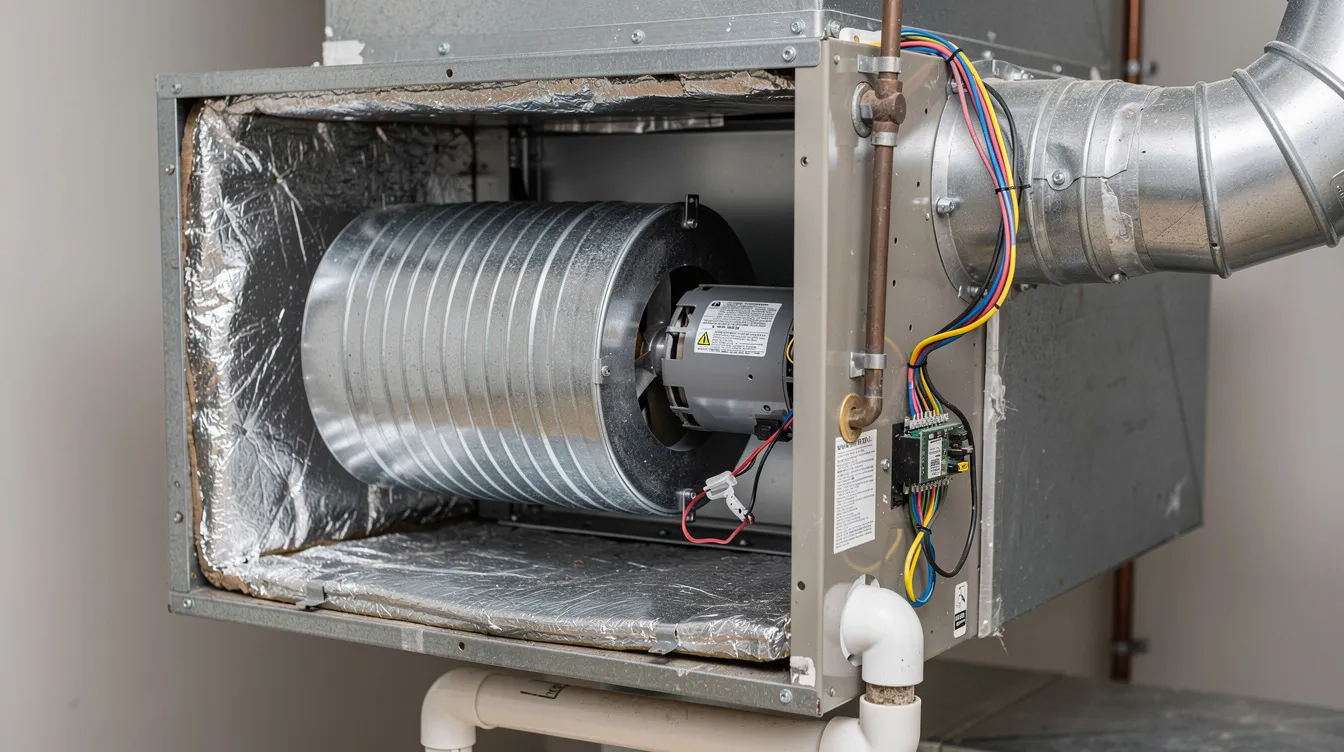
Most Common Home HVAC Causes When Blower Runs but No Air
These issues affect split systems and packaged units found in U.S. homes built between roughly 1990 and 2026. Homeowners planning a system upgrade should also understand HVAC installation costs for new systems in DFW. While each cause is explained here, detailed fix instructions appear in later sections.
- Severely clogged or collapsed air filter
- Frozen evaporator coil forming a solid ice block
- Supply or return vents closed, blocked, or taped over
- Disconnected, crushed, or leaking ductwork
- Blower wheel loose on motor shaft or packed with debris
- Stuck or broken zone dampers
- Electrical issues where controls never fully open dampers
Multiple problems often cascade together—a dirty air filter causes reduced airflow, which leads to coil freeze, which strains the blower. Don’t assume fixing one thing solves everything.
Clogged or Missing Air Filter
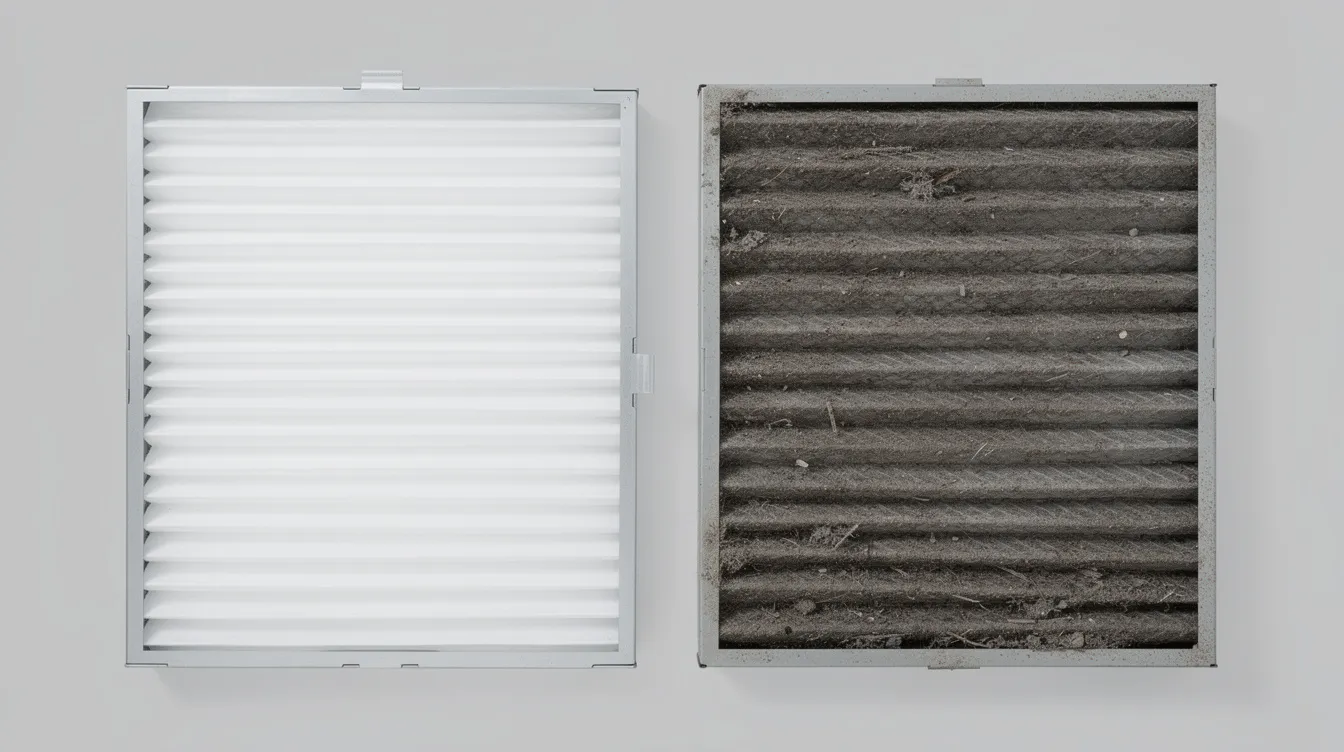
A clogged filter is the simplest and most frequent reason for a blower running with weak or no airflow. When you haven’t changed your filter in 3-6 months, it accumulates 1-2 pounds of dust, pet hair, and debris—effectively becoming a wall in front of the blower.
- Standard 1-inch pleated filters in older 1990s furnaces clog faster than deeper 4-5 inch media filters in newer Trane multi-speed air handler systems or Carrier systems
- Improperly installed filters can get sucked into the return duct, partially collapsing and blocking the opening
- Running your ac unit during summer 2026 with 100°F outdoor temps and a fully clogged filter causes overheating and coil freeze
Always verify the airflow arrow points toward the blower when installing. Replace your air filter regularly—monthly during heavy use seasons.
Frozen Evaporator Coil
Ice buildup on the indoor coil creates a solid block that prevents any air from passing through the fins, even though the blower runs loudly. This frozen evaporator coil problem affects 25-40% of summer service calls in humid states like Georgia, Florida, and Texas.
Typical causes include:
- Very dirty filter restricting airflow below 350 CFM per ton
- Low refrigerant charge from a refrigerant leak in the refrigerant lines
- Running AC when outdoor temps drop below 60°F
- Continuous thermostat fan operation with restricted return air
Signs to watch for: cool air stops entirely, the suction line at your indoor unit feels frosty or icy, and water appears on the floor once melting begins.
Critical step: Shut the system OFF and let the frozen evaporator thaw for 4-8 hours. Never chip ice with tools—you’ll damage the coil. A July freeze in humid climates quickly leads to condensate overflow and potential water damage.
Blocked, Closed, or Misadjusted Vents
Sometimes the blowing air never reaches you simply because vents are blocked. This makes it seem like no air is air blowing while the blower hums along fine.
- Floor registers covered by rugs, furniture, or storage boxes
- Wall or ceiling vents with louvers manually closed or taped over
- Return vents behind sofas or inside closets blocked by boxes
Closing more than 20% of supply vents in a typical 2010-2024 residential system raises duct static pressure, reduces overall airflow, and can trigger coil freezing. Walk room to room and verify each vent is open and unobstructed, then re-test.
Ductwork Leaks, Disconnections, or Collapses
Energy Star 2023 data indicates 15-20% of U.S. homes have significant duct system problems. Metal or flex ducts in attics and crawlspaces can disconnect, tear, or collapse over time—especially after cable or plumbing work.
Common ductwork failures:
- Supply duct fully disconnected near the air handler, dumping cool air into the attic
- Large tears in flexible ducts from rodents (1-2 inch holes leak 20% of air)
- Crushed flex duct behind a furnace or in tight corners, reducing airflow by 50%
Symptoms include some rooms with zero air while the blower roars, or feeling conditioned air in the attic instead of living spaces. Use a flashlight to inspect accessible duct runs for separations at takeoffs and boots.
Blower Wheel or Housing Problems
The blower motor may spin normally, but if the blower wheel is loose, damaged, or caked with debris, very little air gets moved.
- Set screw on the wheel hub loosening so the motor shaft spins without driving the wheel
- Blades clogged with 10+ years of dust and pet hair, drastically cutting efficiency
- Rusted or broken fins in older 1990s-2000s furnaces from Goodman or Rheem
This problem often produces unusual rattling or scraping sounds from the indoor unit. Professional cleaning or replacement prevents bending fins or unbalancing the wheel—DIY attempts often make things worse.
Stuck Dampers or Zoning Issues
Homes with zoning systems use motorized dampers to direct air to different areas. If a damper motor or control board fails, dampers stay shut while the blower runs—causing near-zero air in affected zones.
Typical symptoms: upstairs gets no air despite the thermostat calling for cooling, but you feel strong blowing downstairs. Listen near the main supply trunk when the system starts for damper movement sounds. Look for small rectangular metal boxes with wiring attached to ducts.
Vehicle HVAC: Blower Motor Runs but No Air from Vents
Cars, SUVs, and trucks built between 2005-2026 use electric blower motors plus blend and mode doors to direct air to floor, dash, or defrost vents. When you experience the same issue in your auto—fan noise without output—the causes differ from home systems.
Main vehicle-specific causes:
- Clogged cabin air filter behind the glovebox or under the cowl
- Debris blocking the cowl intake (leaves, pine needles, plastic bags)
- Stuck or broken mode door actuators leaving air trapped in the HVAC box
- Collapsed or disconnected ducts under the dash (common after stereo work)
- Blower wheel loose on shaft, free spinning without pushing air
On 2012-2020 sedans and compact SUVs, it’s common for dash vents to stop working while floor or defrost still blow—this points directly to a mode door problem. Check your owner’s manual for cabin filter location and replacement intervals (typically 15,000-30,000 miles).
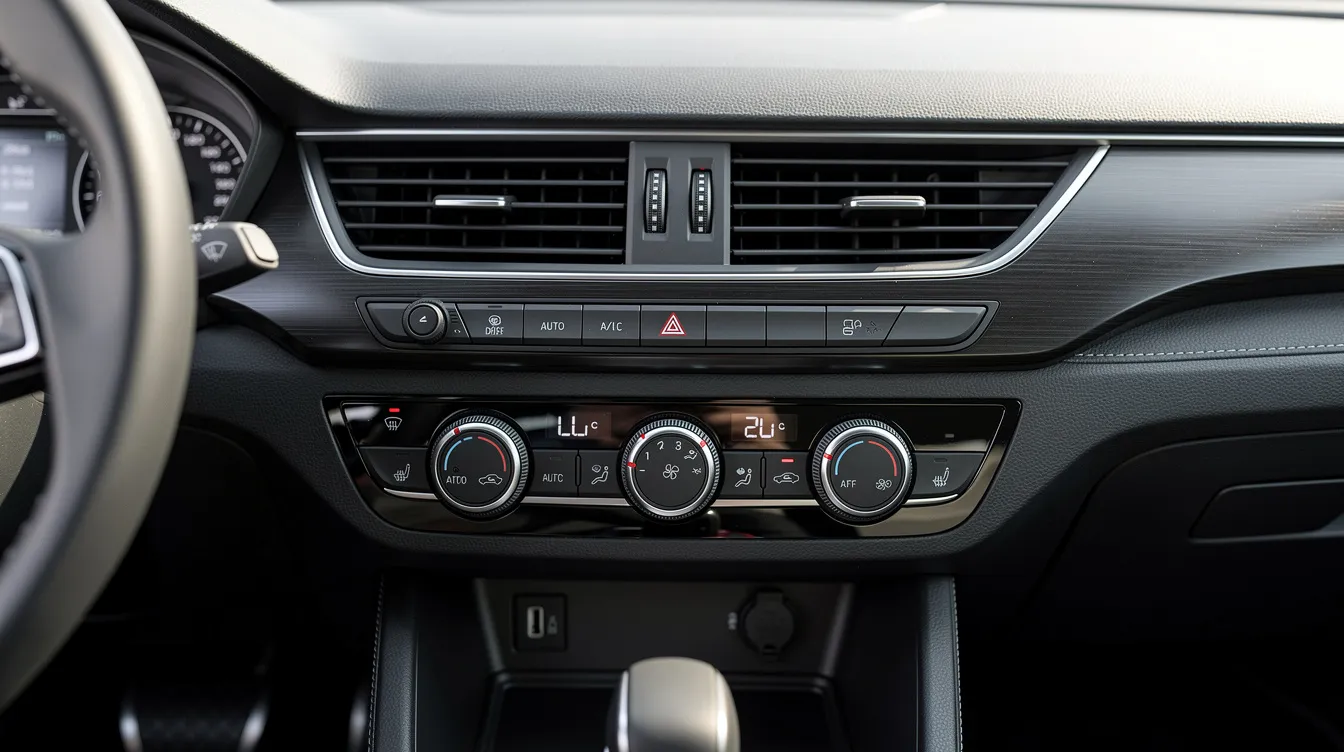
Cabin Air Filter & Air Intake Blockages
The cabin air filter serves as your car’s equivalent of a home HVAC filter. On many Toyota, Honda, Ford, and GM models after 2010, it sits behind the glovebox.
When not changed for years, this filter becomes a tight mat of leaves, dust, and pollen. The fan sounds loud but barely any air flows. Some vehicles also draw air from cowl intakes at the windshield base—these can clog with leaves and snow.
Quick check for most sedans: drop the glovebox, unclip the filter door, and slide out the filter. If it’s gray or brown instead of white, replace it immediately.
Blend and Mode Door Actuator Failures
Modern automatic climate control uses small electric motors to move plastic doors inside the HVAC case. These actuators route air to your selected vents. Failure rates increased 20-30% in 2012-2020 vehicles due to plastic gear stripping.
Common signs:
- Clicking or ticking from behind the dash after changing vent mode
- Air only comes from defrost or floor regardless of switch position
- Temperature responds but vent selection doesn’t (or vice versa)
When the blower runs but no air exits your selected vents, air may be trapped due to a door stuck in the wrong position. Have a professional scan the HVAC control module for codes—accessing actuators often requires partial dash disassembly.
Step-by-Step DIY Checks Before Calling a Pro
Before scheduling a service call, run through these checks. They apply to 2020s-era equipment and require only basic tools.
| Step | Home HVAC | Vehicle |
|---|---|---|
| 1 | Turn off system at thermostat; inspect and replace filter (arrow toward blower) | Turn off AC; locate and replace cabin filter per owner’s manual |
| 2 | Walk through home; open all vents and remove obstructions | Check all vent positions work mechanically |
| 3 | Check indoor unit for frost, water, or ice on coils | Listen under dash for clicking from actuators |
| 4 | Inspect accessible ducts for disconnections or crushes | Look for obvious duct separations under dash |
| 5 | Check breaker panel for tripped indoor blower circuit | Check fuse box for blown HVAC blower fuse |
| Safety first: Power off at the disconnect for home HVAC. Never open panels exposing spinning fans or live wiring unless you’re trained. |
When to Stop DIY and Call a Professional
Some problems cause further damage or safety hazards if the system keeps running fine without proper airflow. An hvac tech can quickly diagnose whether the blower, controls, or ductwork is at fault using proper gauges and diagnostic tools.
Call immediately if:
- The blower runs but you smell burning, electrical, or strong plastic odors
- Persistent coil freezing or water leaking onto the floor
- Repeated breaker trips on the indoor fan circuit
- Visible duct collapse you cannot safely reach
- Vehicle requires airbag wiring or major dash disassembly to access actuators
To keep your system running efficiently and stay cool through future summers, schedule annual maintenance for home systems or work with a trusted HVAC services provider. For vehicles, swap your cabin filter at manufacturer intervals. These simple steps dramatically reduce the odds of the “blower running but no air” problem returning.
Whether you’re troubleshooting the same problem others have posted about in search results on forums or experiencing this for the first time, the fix usually traces back to filters, coils, ducts, or door actuators. Start with the simple checks, and don’t hesitate to call in a professional when the situation demands it.