





If your air conditioner is struggling to keep up or you’re bracing for another summer of repair bills, you’re probably wondering what a replacement will actually cost. The short answer: most homeowners in 2026 pay between $7,000 and $10,000 for a standard central air conditioner replacement. But the full picture depends on your home, your climate, and the choices you make.
Replacement AC Cost at a Glance
The 2026 national averages for replacement AC cost include equipment, labor, and permits bundled together. The cost of replacing an air conditioner in a residential home can range between $5,500 and $16,000, including labor and permit fees. Central air conditioning installation typically costs between $5,000 and $14,000, which includes both the unit itself and the labor required for installation.
$5,500–$14,000
$7,000–$10,000
$5,000–$7,500
$10,000–$14,000+
Costs depend mainly on system type, home size, efficiency rating, and any duct or electrical upgrades required. New regulations in 2026 require A2L refrigerants, projected to increase system prices by 10% compared to older models. Combined with material, refrigerant, and labor increases, prices have risen 5–10% compared with early 2024.
The sections below break down what drives the final replacement AC cost and how you can control it.
Average Replacement AC Cost by System Type
The biggest driver of your replacement AC cost is the type of cooling system you choose. A basic central air conditioner and a cold-climate heat pump serve different needs and come with very different price tags. Understanding these categories helps you compare quotes and avoid paying for features you don’t need.
Central Split AC
$5,000–$14,000
Best for homes with existing ductwork and a furnace or air handler.
Ductless Mini-Split
$3,000–$18,000
Single-zone and multi-zone systems depending on number of indoor heads.
Heat Pump Systems
$6,500–$18,000
Heating and cooling in one system, often with incentives available.
Packaged Units
$6,000–$15,000
All-in-one systems often used where indoor space is limited.
Window & Portable ACs
$200–$1,000 per unit
Equipment only, usually DIY, not a whole-home replacement solution.
These ranges assume typical 1,500–2,500 square foot homes and standard installation difficulty. Urban areas and complex installs skew higher.
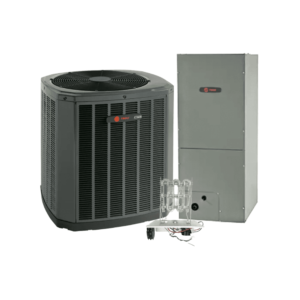
View AC & Heat Pump Replacement Options
Compare efficient heating and cooling systems, sizing options, and installation choices before replacing your old AC.
Central Air Conditioner Replacement Cost
A central split AC system uses an outdoor unit, the condenser, paired with an indoor coil that connects to your existing furnace or air handler and ductwork. This is the most common setup in homes with gas furnaces already in place.
Replacing an existing AC unit will cost anywhere from $3,912 to $8,072 for most homeowners, assuming the required ductwork and electrical setup are already in place. When you factor in more complex situations, here’s how the tiers break down:
- Economy/single-stage systems: about $5,000–$8,000 installed
- Mid-range two-stage systems: about $6,500–$10,000 installed
- High-efficiency variable speed systems: about $9,000–$14,000 installed
Reusing existing ductwork can keep costs low, but full replacement can add $2,000 to $5,000 for a typical home. Central AC is usually the best choice for detached homes that already have a gas furnace and ductwork in good condition.
Ductless Mini-Split Replacement Cost
Ductless mini-splits use wall- or ceiling-mounted indoor unit heads connected to an outdoor unit, making them ideal for homes without ducts, room additions, or upstairs zones that run hot. The indoor unit delivers cool air directly to the space without ductwork losses.
- Single-zone mini-split: roughly $3,000–$6,000 installed
- Multi-zone mini-split, 2–4 zones: roughly $6,000–$18,000 installed, depending on number of heads and capacity
Per-zone cost usually drops as you add more zones, but the total project cost rises. Higher efficiency models, SEER2 20+, and cold-climate heat pump mini-splits designed for heating and cooling sit at the top of the range.
Heat Pump vs. AC Replacement Cost
Modern heat pumps provide both heating and cooling in one system and often replace both an AC and a furnace in mild to moderate climates. This makes the heat pump cost comparison more nuanced than a straight cooling-only comparison.
- Standard air-source heat pump: around $6,500–$13,000
- Cold-climate variable speed heat pump: around $9,000–$18,000
While heat pumps often cost more upfront than a basic AC, they can reduce winter heating bills significantly when replacing electric resistance or oil heat. Heat pump installation can also qualify for substantial incentives: the 2022 Inflation Reduction Act rebates and 25C tax credits can significantly offset costs through at least tax year 2032.
How AC Size Tonnage Affects Replacement Cost
AC system size is measured in tons and BTUs, and larger systems cost more both to purchase and to run. The size of an air conditioning unit, measured in tons, indicates its cooling capacity, with 1 ton capable of removing 12,000 BTUs of heat per hour, and a 3-ton unit removing 36,000 BTUs.
Larger homes require higher-capacity units, which cost more to purchase and install. A general guideline for sizing an air conditioning unit is to allocate 1 ton of cooling capacity for every 500 to 600 square feet of living space.
A Manual J load calculation—not just square footage—is the right way to size an AC. This accounts for insulation, windows, orientation, and ceiling height to ensure proper airflow and system efficiency.
Choosing an air conditioner that is too small for your home can lead to inadequate cooling, while an oversized unit can cause uneven cooling and higher energy bills due to frequent cycling. Oversized units cost more, short-cycle, and wear out faster. Undersized units run constantly and can’t keep up in July–August heat.
Labor and Professional HVAC Installation Costs
Labor costs typically represent 25–40% of the total replacement AC cost, depending on your region and job complexity. Labor rates for HVAC installation vary by region and can increase during peak demand seasons.
- Straight swap-out, same size with good ducts: about $1,000–$2,500 for a one-day job
- Full system change-out with minor duct/electrical updates: about $2,000–$4,000
- Complex installs with new lines, pads, or attic work: can reach $4,500+ in high-cost metros
Installation complexity affects costs, with simple unit replacements being less expensive than updates to ductwork or electrical systems. Licensed HVAC contractors usually quote turnkey prices, bundling labor, materials, permits, and basic haul-away of the old unit.
Paying for experienced installers often prevents problems like refrigerant leaks, airflow issues, and early compressor failures that plague budget installations.
Other Trades You May Need: Electrician & Plumber
Some AC replacements require separate trades for code-compliant electrical and drainage work. Your HVAC company may coordinate these services or you may need to arrange them separately.
- Running a new 240-V circuit or upgrading a breaker: roughly $200–$650
- Installing a new dedicated circuit: roughly $100–$150 in some simple cases
- Upgrading undersized wiring or panel work: can add $500–$1,500+ on older homes
- Adding a drain line for a central AC system: roughly $180–$500, depending on complexity
- Replacing or adding a condensate pump: often $300–$450 installed
Many HVAC contractors have in-house or partner electricians and plumbers and will coordinate these services as part of the estimate.
Replacement AC Cost by Region and Climate
Regional labor rates, climate demands, and building codes can shift your replacement AC cost by thousands of dollars. Where you live matters almost as much as what you buy.
- High-cost coastal metros: San Francisco Bay Area, New York City, and Boston can run 15–30% above national averages.
- Midwestern and Southern cities: often track closer to the national low-to-mid range.
- Very hot, humid climates: Texas, Florida, and Arizona often require higher-capacity or more efficient systems, raising upfront equipment cost.
- Stricter code regions: California Title 24 and some Northeast markets can require higher efficiency ratings or more duct sealing.
Get at least three local, written quotes because national averages are just starting points for your specific situation.
How Local Permits and Codes Impact Price
Most cities and counties require a mechanical permit to replace a central air conditioner or heat pump. Permits for AC installation can vary significantly in cost, ranging from $50 to $1,500, depending on local regulations and requirements.
- Small towns and rural areas: roughly $50–$250
- Local building permits: typically $100–$500
- Large metros or projects with structural changes: can exceed $1,000
Inspections ensure safe electrical connections, proper refrigerant handling, and correct line sizing and duct sealing. Always confirm in writing that permit fees and inspection visits are included in your contractor’s price.
Other Factors That Influence Replacement AC Cost
Beyond system type and size, several project-specific details can raise or lower your total bill. Key cost factors for air conditioning systems include the unit’s SEER rating, installation complexity, ductwork needs, and the contractor’s labor rates.
- Energy efficiency rating, including SEER2
- Number of zones and thermostat setup
- Ductwork condition and modifications needed
- Refrigerant type and line set requirements
- Project urgency and timing
- Access and installation complexity
Planning ahead and addressing these issues early in the quoting process helps avoid surprise upcharges on installation day.
Energy Efficiency SEER2 and Operating Costs
The Seasonal Energy Efficiency Ratio, or SEER, measures an air conditioner’s total cooling output in BTUs during a season divided by its total electric energy input, with higher SEER ratings indicating better energy efficiency. The new SEER2 standard takes into account more specific features of a home to provide a more accurate measure of energy efficiency for air conditioning systems, replacing older lab test methods starting in 2023.
- Base-code SEER2, around 13.4–14.3 depending on region: lowest upfront cost
- Mid-efficiency SEER2 15–17: typically 5–20% higher equipment cost
- High-efficiency SEER2 18–24+: often 25–60% higher equipment cost but with lower utility bills
All air conditioning units sold must have a SEER rating of at least 13, with some high-efficiency models achieving ratings up to 27. Upgrading to a high-efficiency air conditioning unit can cost $1,500 to $3,000 more than a base-model unit.
Higher SEER ratings typically result in lower operating costs, which can offset the higher initial purchase price of energy efficient air conditioning units over time. In hot, high-electric-rate areas, stepping up one efficiency tier can often pay back through lower monthly energy bills in 5–8 cooling seasons. An energy efficient model usually comes bundled with variable speed blowers and better humidity control, improving comfort beyond just cooling.
Estimate Your Energy Savings Before You Replace Your AC
Compare how efficiency, system type, and tonnage may affect your long-term utility costs.
Number of Zones and Thermostats
Zoning uses multiple systems or a multi-zone mini-split to control different parts of the house independently. This can reduce energy usage in large or multi-story homes by not over-cooling unused rooms.
- Two-zone traditional ducted system: upstairs/downstairs with one outdoor unit and zoning dampers often adds $1,700–$2,500 over a single-zone setup
- Each additional mini-split indoor head: roughly $650–$2,500 per zone, depending on capacity and finish level
- Smart thermostats or zone controls: typically add $150–$500 per zone but can qualify for utility rebates and help save money on energy costs over time
Ductwork Condition and Modifications
Replacing just the AC but leaving undersized or leaky ducts can waste money and reduce comfort regardless of how efficient your new system is. If existing ductwork needs repairs before installing a new AC unit, costs may include sealing leaks, replacing damaged sections, and improving airflow.
- Sealing and minor duct repairs: roughly $500–$2,000
- Installing new ductwork for a central AC system: $3,000–$7,500 for 300 linear feet, with higher costs for larger homes requiring more ductwork
- Full duct replacement in large homes or tricky attics: can exceed $8,000–$10,000
Have ducts inspected for leaks, poor insulation, and improper sizing during your AC replacement quote. In older homes without ducts, it can be cheaper and less invasive to install ductless mini-splits than to retrofit a full air conditioning system with new ductwork.
Removing and Disposing of the Old AC System
Most reputable HVAC companies include removal and proper refrigerant recovery in their replacement AC estimates. This is required by environmental regulations.
- Typical standalone removal charges: about $25–$200 depending on unit size, access, and local disposal fees
- Environmental regulations: require certified handling of refrigerants like R-410A and older R-22
- Pad removal: may cost under $100 if the new outside AC unit has different dimensions
Confirm in writing that haul-away, recycling, and any pad removal are covered before signing a contract.
Project Timing and Urgency
Emergency summer replacements during July heat waves often cost more due to overtime labor, surge demand, and limited inventory. Planning ahead can save money.
- Many HVAC companies offer discounts or manufacturer promos during shoulder seasons, especially March–May and September–October.
- Planning replacement before your AC fails, especially when it’s 12–15+ years old, can save 5–15% on the final price.
- Ask contractors if they offer off-season pricing or flexible scheduling for non-urgent replacements.
- Avoid peak demand periods when AC repairs and replacements compete for limited technician availability.
Replacement AC vs. Full HVAC System: Cost Comparison
When your cooling system needs replacement, you have three main options with different price implications:
- Replacing just the AC using existing furnace, air handler, and ducts
- Replacing both AC and furnace as a matched new HVAC system
- Installing an all-new HVAC system in a home without existing central HVAC
Matching indoor and outdoor HVAC equipment can improve system efficiency, reduce noise, and maintain manufacturer warranties. If your furnace is 15–20 years old, replacing it at the same time as the AC often saves on labor and avoids repeating work later. Gas furnaces paired with new AC units perform best when the components are designed to work together.
How to Save Money on Replacement AC Cost
You can’t control your climate, but you can control timing, efficiency choices, and how you shop for quotes. Smart decisions before you sign can save thousands.
- Schedule replacement in spring or fall to avoid peak summer rates.
- Right-size the unit using a Manual J load calculation instead of upsizing “just in case.”
- Seek at least three quotes for air conditioning replacement to secure the best value.
- Consider mid-tier efficiency models that balance upfront price and long-term energy savings.
- Look for utility rebates, manufacturer promotions, and financing that spreads cost without excessive interest.
Choosing the right HVAC system for your home means balancing upfront AC unit cost against long-term operating costs and comfort.
Tax Credits, Rebates, and Incentives in 2026
Through at least December 31, 2032, the federal 25C Energy Efficient Home Improvement Credit can cover up to 30% of qualifying HVAC costs, subject to annual caps.
- Up to $600 in 25C tax credits for a new air conditioner
- Up to $2,000 for qualifying heat pumps in a single tax year
- Up to $3,200 annually in federal income tax credits for Energy Star® approved home upgrades until 2032
- Many states and utilities add rebates of $200–$2,000+ for high-efficiency HVAC systems
- Product manufacturers may offer rebates for HVAC installations, often with thermostat purchases
Action steps:
- Check current IRS guidance, ENERGY STAR, and state energy office websites for up-to-date requirements.
- Ask contractors to specify model numbers and include rebate-eligible thermostats or controls in their proposals.
Financing Your New AC
When replacement costs exceed immediate cash availability, several financing options exist:
- 0% or low-APR promotional financing through HVAC manufacturers or local dealers, typically 12–60 month terms
- Home improvement loans or HELOCs from banks and credit unions
- Utility on-bill financing in some regions
Spreading a $9,000 replacement over 5–10 years can make costs manageable, but compare APRs and total interest paid. Combining a partial cash down payment with financing reduces monthly payments and total interest exposure.
Confirm that financed estimates still include permits, disposal, and full labor—not just the equipment price. A reputable HVAC contractor will provide a complete breakdown.
When Is It Time to Replace Your AC Instead of Repairing?
Many homeowners face a decision point when an older AC system needs a major repair in mid-summer. Understanding when HVAC repair makes sense versus when AC replacement is the smarter choice can save thousands.
- Age: systems 10–15+ years old, installed before about 2011–2016, are prime candidates for replacement
- Cost: if a single repair quote exceeds 40–50% of the cost of a new AC unit, replacement is usually more cost-effective
- Frequency: if you’re calling for major AC repairs every season, that money may be better spent on a new system
R-22 refrigerant systems, mostly pre-2010 installs, are increasingly expensive to maintain due to the refrigerant phase-out. The current system may not be worth repairing if refrigerant costs alone exceed several hundred dollars.
Schedule an inspection and get both a repair quote and a replacement quote to compare long-term value before deciding.
Hiring the Right Pro for Your Replacement AC
Who installs your new air conditioning system often matters more than the brand name for longevity, cooling efficiency, and achieving rated performance. A quality HVAC contractor makes the difference between a system that runs 15+ years and one that has problems from day one.
- Verify state license, insurance, and EPA Section 608 certification.
- Ask for written, itemized estimates that separate equipment, labor, and any duct/electrical work.
- Confirm permit handling, inspection scheduling, and warranty registration are included.
- Check reviews from the last 12–24 months and ask for references on similar-size projects in your area.
- Ensure the contractor will perform or commission a Manual J load calculation and check ducts before recommending system size.
HVAC replacement costs vary significantly between contractors, making comparison shopping essential for finding the best value.
Simple DIY Prep Steps to Reduce Installation Time
Full AC replacement should be done by licensed professionals, but homeowners can handle simple prep tasks that reduce installation time and prevent minor labor add-ons.
- Clear at least 3 feet of space around the outdoor unit location for installers.
- Move furniture, plants, and storage items away from indoor equipment and duct access points.
- Ensure pets are secured and driveways/walkways are open for trucks and equipment.
This prep can shorten AC installation time and demonstrates you’re an organized customer. Never attempt DIY refrigerant handling, electrical work, or duct modifications—these create safety hazards and void warranties.
Key Takeaways on Replacement AC Cost
- Most homeowners in 2026 spend somewhere between $7,000 and $10,000 to replace a central AC, but complex jobs can run higher.
- System type, size, efficiency, and duct/electrical condition are the major cost factors.
- Timing the project, using incentives, and choosing a reputable installer can significantly reduce lifetime costs.
- The total cost includes equipment, labor, permits, and any necessary upgrades to your existing ductwork or electrical system.
Use the cost ranges and checklists outlined above to prepare questions and set expectations before getting quotes. The more specific your questions, the more accurate your estimates will be.
Plan ahead—ideally before peak summer—so you’re choosing a new air conditioning system on your terms, not scrambling during an emergency with limited options and premium pricing.
Ready to Compare HVAC Replacement Options?
Compare system types, efficiency options, and installed HVAC pricing before replacing your old AC.