




MCKINNEY, TEXAS • INSTALLED TRANE SYSTEM PRICES
AC Replacement Cost in McKinney, TX: Trane Prices and a Plan for Better Comfort
Find a Trane system for your McKinney home with clear pricing, the right equipment size and a free in-home estimate.


3 Ton Trane 14.3 SEER2 Gas System in McKinney, TX
A listed gas-system package for a straightforward replacement budget.
$6,999Listed installed price
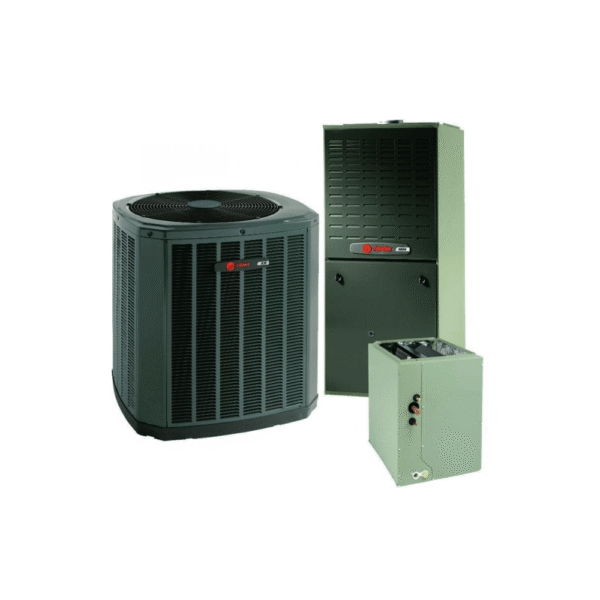
3 Ton Trane 16 SEER2 Gas System in McKinney, TX
Review this efficiency option alongside the complete installation scope.
$7,999Listed installed price

3 Ton Trane 17 Series Gas System in McKinney, TX
Consider this multi-speed cooling package with two-stage gas heating.
$9,700Listed installed price
Listed prices checked October 18, 2026. These are comparable 3-ton gas-system packages, not a sizing recommendation or an average for every McKinney house. Final equipment match, price conditions and additional work require a written estimate.
What should you budget for AC replacement in McKinney?
The three featured Trane gas-system listings are $6,999, $7,999 and $9,700 with installation. Each is a specific store package with nominal 3-ton cooling capacity. Use them to compare purchasing options, then ask for the total for your property. A new AC unit cost in McKinney depends on the equipment, retained components, access and corrections needed to complete the job.
Instead of beginning with a citywide average, decide what problem you want the replacement to solve. Does the entire house struggle to cool, does one floor stay warm, or has one major component failed? Those are different starting points. The best proposal explains the diagnosis and connects each expense to the work your home needs. Our installed AC budgeting guide provides a broader cost reference.
| Featured McKinney option | Listed installed price | Compare before buying |
|---|---|---|
| 3 Ton Trane 14.3 SEER2 Gas System | $6,999 | Standard package, sizing and included installation |
| 3 Ton Trane 16 SEER2 Gas System | $7,999 | Matched efficiency and total ownership cost |
| 3 Ton Trane 17 Series Gas System | $9,700 | Cooling operation, furnace stages and controls |
Read the exact product listing before comparing discounts. Ask whether taxes, permit fees and property-specific additions are included in the final amount. A gas furnace, air handler and standalone outdoor unit are different purchases; a low equipment-only figure is not directly comparable with a complete installed system.
Start with the comfort complaint, not a bigger outdoor unit
When an AC runs for long periods or upstairs rooms feel warmer, increasing tonnage is not automatically the fix. Sun exposure, insulation, window area, return airflow, duct restrictions and thermostat placement can all affect comfort. Have the contractor document the conditions before selecting new equipment. This is especially useful when the old AC never cooled the house evenly, even when it was new.
A Manual J load calculation estimates the building’s heating and cooling requirements. Equipment selection and an airflow review then turn that calculation into a practical installation plan. Square footage is one input rather than a complete sizing method. Two houses with equal floor area can need different capacities, and a home served by multiple systems needs a separate assessment of each served space.
Short cycling can indicate an oversized system, although a diagnosis must rule out other causes. Brief cycles can cool the air without removing enough moisture, leaving high humidity or uneven comfort. Paying for excess capacity can therefore add cost without solving the complaint. Review our AC replacement and installation process to understand how assessment fits into the project.
3 Ton Trane 14.3 SEER2 Gas System in McKinney, TX
A listed gas-system package for a straightforward replacement budget.
$6,999Listed installed price
McKinney permits: replacement and routine maintenance are different
McKinney’s official home-repair guidance lists mechanical work among permit categories and directs applicants to search the CSS portal for Residential Stand-Alone Mechanical. It separately identifies minor mechanical repairs, including routine filter replacement, as work that does not require a permit. Do not treat a full equipment replacement as the same activity as routine maintenance.
Before installation, ask who will confirm the applicable permit, submit the application, pay the actual fee and arrange required inspections. McKinney also provides a Development Navigation Assistant for project guidance. Confirm the requirements for your exact address and scope rather than relying on another municipality’s checklist. Keep the permit and closeout record with the system documentation.
Should you replace the whole air conditioning system?
There are three major decisions inside an AC replacement quote: which cooling components need replacement, whether the heating equipment should stay, and whether the existing distribution system is suitable. Treat them separately. Replacing the entire system may be appropriate when major components are aging together, but keeping a sound compatible furnace can be a valid alternative.
- Outdoor condenser plus indoor coil: Evaluate the retained blower or furnace, controls and manufacturer compatibility. Ask for the complete matched rating and a clear account of what remains under its existing warranty.
- AC, coil and gas furnace: The shopping packages on this page illustrate this approach. Compare all model numbers and the gas, venting, drain and electrical connections required.
- Heat pump and air handler: If changing heating method, review electrical capacity, backup heat and controls before comparing prices with a gas-system proposal.
Browse the complete Trane gas-system catalog for the featured purchase type, or examine Trane heat-pump packages if the assessment supports a different approach. Keep unlike equipment types in separate comparison columns.
What installation complexity can change your quote?
Attic access, tight spaces, equipment orientation and the route for removing the old system influence labor. A replacement that fits through the access opening and uses suitable connections differs from one requiring a platform rebuild or rerouted piping. Ask for those conditions to be checked at the estimate visit. Photos of the current equipment location can help prepare for the assessment but cannot replace an inspection.
Have the proposal separate essential installation from optional improvements. The goal is to understand the final payable price before work begins, rather than assume every online package covers every property condition. Our transparent HVAC pricing resource explains how to compare the advertised package with the written scope.
| Item to check | What the quote should explain |
|---|---|
| Electrical panel and circuit | Whether the new equipment can use the existing supply, disconnect and wiring |
| Refrigerant piping | Condition, size, compatibility and manufacturer requirements for reuse |
| Ductwork condition | Measured airflow problems, leakage or damage and the proposed correction |
| Drainage and protection | The connections and safety measures required for the installation location |
| Access and supports | Any platform, opening, pad or removal work outside the package |
An older electrical panel does not automatically need replacement simply because you buy an efficient air conditioner. Have a qualified assessment establish whether it is adequate for the actual equipment. Likewise, damaged ducts may justify repair without requiring replacement of every duct in the house. Use the HVAC service overview to discuss the work identified during the visit.
3 Ton Trane 16 SEER2 Gas System in McKinney, TX
Review this efficiency option alongside the complete installation scope.
$7,999Listed installed price
Compare the efficiency you will receive, not just the series name
SEER2 is a seasonal efficiency measure for a matched air conditioning system. The outdoor model alone does not prove the installed rating. Ask for the indoor and outdoor model combination and its AHRI reference or manufacturer rating documentation when available. The 17 Series card uses the equipment-series description because a matched 17 SEER2 rating has not been established here.
Higher efficiency can lower cooling electricity use under similar conditions, but it cannot promise maximum efficiency in an installation with poor airflow. Discuss ductwork condition, refrigerant setup and controls along with the equipment choice. A properly selected new system should address the problem you identified instead of repeating an old installation’s limitations.
For the selected packages, moving from $6,999 to $7,999 adds $1,000 before any property-specific changes. Compare that difference with a realistic annual operating-cost estimate, expected ownership period and comfort preferences. Review Trane cooling options while keeping the final decision tied to the exact matched equipment. If a different capacity is recommended, consult the 4-ton AC replacement guide rather than assuming a 3-ton price applies.
Repair cost versus replacement: ask for the finding behind the recommendation
Strange noises, weak airflow or a warm room are symptoms, not proof that you must replace the AC. Start with a professional diagnosis. A localized fault on serviceable equipment can have a different outcome from a failing compressor, damaged coil or repeated expensive repairs. Request the AC repair cost and the replacement alternative in writing so the decision includes both immediate spending and remaining concerns.
Compressor replacement and coil replacement deserve particular care because coverage, refrigerant, labor and related work can change the repair cost. Ask whether the failed component is under warranty, whether a refrigerant leak caused the failure and what else needs attention. Do not approve a costly repair without understanding whether it restores the whole system to acceptable condition. Our air conditioning repair service is a starting point for diagnosis.
The $5,000 rule—equipment age multiplied by repair price—is only a rough discussion tool. It cannot determine useful life or account for ductwork, retained heating equipment and repeated breakdowns. Many homeowners are better served by a documented assessment than an automatic age cutoff. Compare a repair, a targeted replacement and a complete system when those options are technically appropriate.
R-454B and existing equipment: what needs to match?
The change to lower-global-warming-potential refrigerants is a reason to review compatibility, not an automatic reason to discard a working system. EPA permits continued use of existing air conditioning equipment. New equipment must use its approved refrigerant and components; R-454B must not be added to an R-410A system that was not designed for it.
The contractor should document whether existing refrigerant piping can be reused under manufacturer requirements. Age alone does not establish suitability. Incorrect size, damage, contamination or another compatibility problem can change the scope. Ask the proposal to distinguish required new piping from approved reuse and to identify any associated safety provisions.
3 Ton Trane 17 Series Gas System in McKinney, TX
Consider this multi-speed cooling package with two-stage gas heating.
$9,700Listed installed price
Financing and incentives: compare total payments before a monthly number
If financing is available for your purchase, credit scores and lender requirements may affect eligibility and terms. Ask for the cash installed price, APR, term, fees, monthly payments and total financed amount. Confirm the early-payment conditions as well. No credit approval or particular rate is promised by this page. A smaller payment can still mean a higher total cost over a longer term.
Rebates must be checked against the exact equipment, installation date and utility program serving the address. Do not count a Trane promotion or utility incentive until current eligibility is confirmed. Ask who submits the paperwork and what documentation you should retain. A claimed incentive should not obscure the underlying equipment and installation price.
Planning installation around your household
Tell the installer about access limitations, work-from-home needs and any occupants who depend on cooling. Ask how long the system is expected to be unavailable and whether electrical or ductwork work changes the schedule. Emergency calls and same day service availability depend on current demand; a written plan is more useful than an unconfirmed installation-time promise.
During the winter months, include the heating requirements in the conversation rather than choosing a furnace solely as an accessory to summer cooling. For a gas-system replacement, ask how the furnace was selected, how venting will be evaluated and how the heating controls will be tested. Cooling tonnage does not establish the correct furnace input or output.
What to collect before the contractor leaves
Keep the approved proposal, equipment labels, startup documentation, warranty terms and any registration confirmation. Review thermostat settings and the correct filter specification. Ask what was measured to confirm airflow and refrigerant performance, and which inspections remain to be completed. Record the next step and responsible party for each open item.
Regular maintenance helps protect the new installation. Keep filters suitable and clean, follow the manufacturer’s service schedule and arrange professional inspection when performance changes. A new AC unit still needs care; maintenance supports efficiency and can uncover developing issues but cannot eliminate all future repairs. Keep service records so warranty questions are easier to resolve.
Get your McKinney replacement estimate ready
Bring current model numbers, repair history and a short description of the comfort problem. Note whether it affects the whole house, a floor or certain rooms and how sun exposure or closed doors change it. Explain any planned addition or renovation that changes conditioned space. These details help the contractor evaluate your home rather than repeat the size of the old unit.
HVAC Services Pro serves McKinney homeowners in North Texas with equipment options and installation estimates. Choose your preferred package as a starting point, then confirm suitability during the assessment. Ask the team about your replacement or use the booking button below for a free in-home estimate.
Compare three written bids using the same scope
Obtain multiple quotes before choosing a contractor when time permits. Put the proposals side by side: outdoor and indoor models, capacity, matched SEER2, controls, labor, electrical work, duct changes, removal, permit responsibility and warranty. Brand and equipment efficiency affect price, but installation complexity can change the labor portion too. A full ductwork replacement can be a substantial separate project; ask whether a measured problem can be corrected with targeted work first.
For older systems, ask how much useful life a repair may preserve and what remains uncertain. A system more than ten years old deserves a condition review rather than an automatic replacement decision. If you have a home warranty, review service-call fees, coverage limits, exclusions and approval requirements before authorizing work. A diagnostic fee is separate from the eventual repair or replacement price unless the written offer states otherwise.
Would a heat pump suit your McKinney replacement?
A heat pump supplies both heating and cooling by moving heat. A gas-system replacement uses an air conditioner for cooling and a furnace for heating. Compare complete installed configurations, including backup heat and electrical requirements, rather than assume either type always costs less. Removing a gas furnace does not eliminate gas bills if the home still uses gas for other appliances.
Have the contractor explain how the proposed heat pump will operate in colder weather and what backup heat is planned. Equipment performance varies with outdoor conditions and the selected model. Avoid a universal temperature cutoff or a guaranteed savings claim. The choice should reflect the home load, utility rates, equipment performance and your heating preferences.
Direct answers about sizing and operating costs
An undersized system may run for long periods and fail to maintain the desired temperature at the design conditions. An oversized unit may cool too quickly and struggle with humidity removal. Proper sizing considers square footage, insulation and window orientation; capacity affects both comfort and cost. Repairing leaking ducts can also preserve conditioned air that would otherwise be lost.
SEER means Seasonal Energy Efficiency Ratio. SEER2 is the newer test metric used on current equipment. Compare ratings under the same metric and ask the installer to document compliance for the actual matched system and installation location. Higher-rated units often carry a higher upfront price and can reduce electricity use, but neither a fixed annual dollar saving nor a particular rebate is guaranteed for every household.
McKinney AC replacement FAQs
How much is an installed Trane system in McKinney?
The selected 3-ton gas-system examples list installed prices of $6,999, $7,999 and $9,700, checked October 18, 2026. The final proposal must confirm the equipment match, price conditions and property-specific work.
Can a new AC fix a warm upstairs room?
Possibly, but the cause needs diagnosis. Load, return airflow, duct condition, insulation, windows and controls may contribute. Increasing outdoor-unit size without assessing these factors can leave the original problem unresolved.
Does McKinney have a mechanical permit process?
Yes. The city lists a Residential Stand-Alone Mechanical permit through its CSS portal and separately exempts minor mechanical repairs such as routine filter replacement. Confirm the exact replacement requirements before work begins.
Do all McKinney homes need 3 to 5 tons?
No single capacity range establishes the correct equipment for every home. A load calculation, equipment selection and airflow assessment should determine the requirement for the space served.
Should I replace the furnace and AC together?
Compare the condition and compatibility of the retained furnace with a complete-system proposal. Replacing both can be appropriate when major components need work, while a serviceable compatible furnace may be retained.
Will replacing my AC guarantee lower bills?
No. A more efficient matched system can reduce cooling electricity under comparable conditions, but bills also depend on weather, rates, usage and installation quality. Ask for a documented operating-cost comparison.
MCKINNEY HOMEOWNERS
Choose a replacement that fits your home and budget
Get a free in-home estimate with clear equipment options and a written installation scope.