

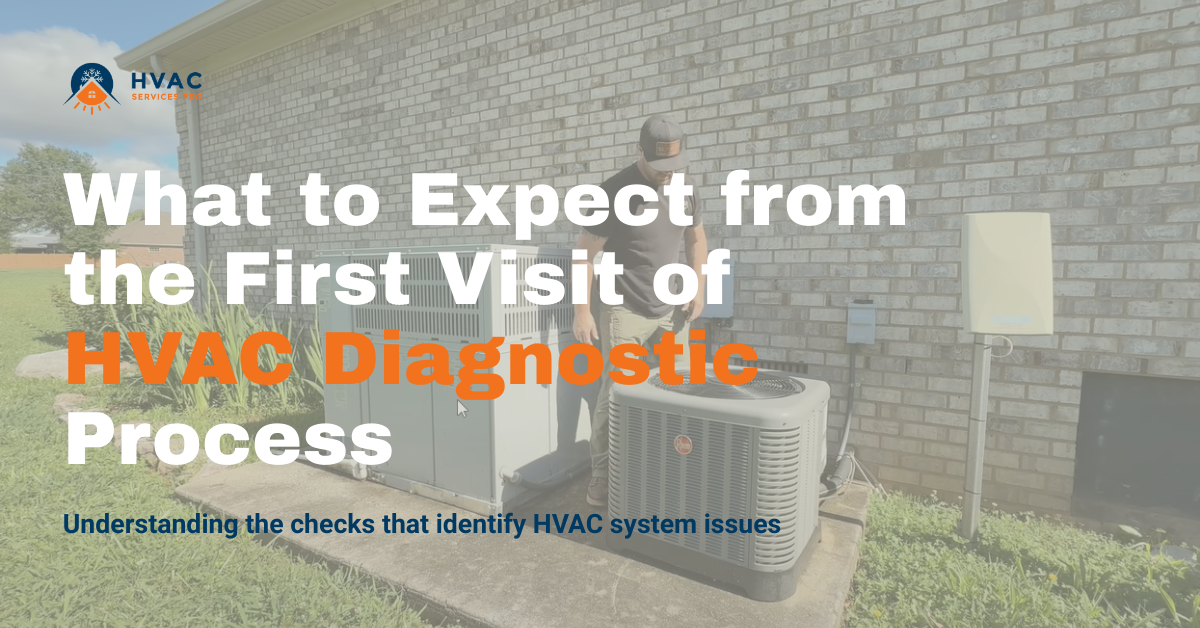
The first HVAC diagnostic visit is a detailed check to find the root cause of a system failure. It usually takes 60 to 90 minutes to diagnose an HVAC system. This process also involves testing with tools such as multimeters and manifold gauges to monitor the system’s operation.
You will get a data-driven report and a clear repair estimate. This ensures your home comfort and energy efficiency are restored quickly. Homeowners can make the visit smoother by following simple HVAC troubleshooting steps. Using emergency cooling tips can also keep your home comfortable until the technician arrives.
| Key Takeaways
|
What Happens During A First Visit HVAC Diagnostic?
We identify the exact point where your system’s sequence of operations fails. We follow the startup process from the thermostat call to the blower motor. This step-by-step approach helps us find the faulty component using a divide-and-conquer method.
Determining the cause of airflow failures
Tracing the path of air ensures the system can “breathe” properly. If the system turns on but does not cool the space, we follow a warm air troubleshooting checklist. This helps find out if the problem is with the compressor or a blockage in the refrigerant flow. We also measure the temperature split between the return air and the supply vent.


Investigating moisture and drainage issues
We examine the condensate drain line and float switch to prevent water damage. When we find moisture in the emergency pan, we check water under the air handler’s causes and fixes. This ensures the primary drain remains clear and the safety shutoff is functional. It also prevents microbial growth and protects your home’s flooring.
Analyzing the thermal and pressure dynamics
Diagnostics include measuring static pressure and the temperature differential across the evaporator coil. These readings reveal if your ductwork is restricted or if your airflow is enough. High static pressure is often the reason a blower motor fails prematurely.
Most early component failures are caused by airflow or electrical issues. At HVAC Services Pro, we use the ABC (Air Before Charging) rule. This helps to ensure your system is mechanically sound before adjusting refrigerant levels. If your cooling system is not working, our HVAC troubleshooting team can repair or replace it.
What Measurements Are Essential During A Residential HVAC Diagnostic Service?
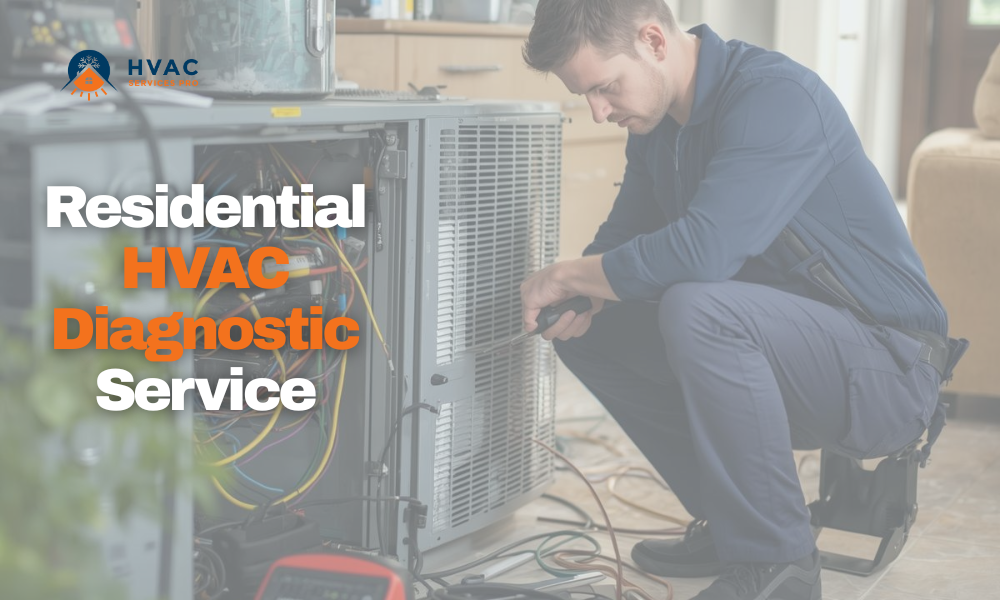
Professional HVAC diagnostics rely on real performance data, not surface-level checks. On the first visit, we use an AC repair checklist. It helps us collect measurements to see how the system is working.
- Electrical Performance Measurements:
We measure voltage, amperage, and resistance on the capacitor, contactor, and motors. This helps confirm that power is flowing properly. A digital multimeter is typically used to identify weak components before they fail completely. - Refrigerant Performance Measurements:
We check subcooling and superheat to make sure the refrigerant is transferring heat properly. Digital manifold gauges show real time pressure and temperature. it helps reveal restrictions and charging issues. - Airflow and Static Pressure Measurements:
We measure static pressure to check for any restricted airflow. This helps identify dirty filters, blocked coils, or damaged ductwork. A manometer helps identify conditions that strain blower motors and reduce system efficiency. - Temperature Differential Measurements:
Supply and return air temperatures are measured to confirm the system’s temperature split. These readings say whether the system is effectively removing heat from the home. - Leak Detection Measurements:
Refrigerant levels are monitored to determine whether loss is occurring. An electronic leak detector may be used to locate small leaks that are not visible during inspection. - Thermal Pattern Measurements:
We check surface temperature variations. This helps identify overheating electrical connections or cold spots caused by duct leakage. Thermal imaging supports this process without invasive testing. - Combustion Safety Measurements:
For heating systems, we take combustion readings to confirm proper fuel burn. A combustion analyzer also checks that carbon monoxide levels are within safe limits.
Over the years, I have seen that technicians using Bluetooth-enabled gauges deliver the clearest data. HVAC Services Pro equips every technician with these tools to ensure your diagnostic report is accurate. Schedule our precision-driven cooling services to maintain your system’s longevity.


How do HVAC professionals Diagnose Complex Electrical Failures?
While diagnosing, we use multimeters to test the “health” of electrical components under load. We check the compressor’s amperage draw and the capacitor’s microfarad ratings. This helps predict problems before the system completely shuts down.
Verifying Voltage and Amperage Stability
Voltage must remain within 10% of the manufacturer’s rating. Because it’s important for your blower motor and compressor to operate safely. If we find a motor drawing more amperage than its nameplate rating, we know the motor is overworking. This is usually due to a failing bearing or high static pressure.
Stress Testing the Capacitor and Contactor
The capacitor works like a battery to help your motors start. If the microfarad reading drops, the motor will hum and may fail. I always test these parts while the system is running to ensure they can withstand the summer heat.
Electrical problems cause over half of summer HVAC service calls. We check all electrical components to ensure your safety switches and circuit breakers protect your home. At HVAC Services Pro, every electrical check is about keeping your family safe.
Schedule your residential HVAC diagnostic service today to make sure your electrical components are ready.
What Information Should You See In A Formal HVAC Diagnostic Report?
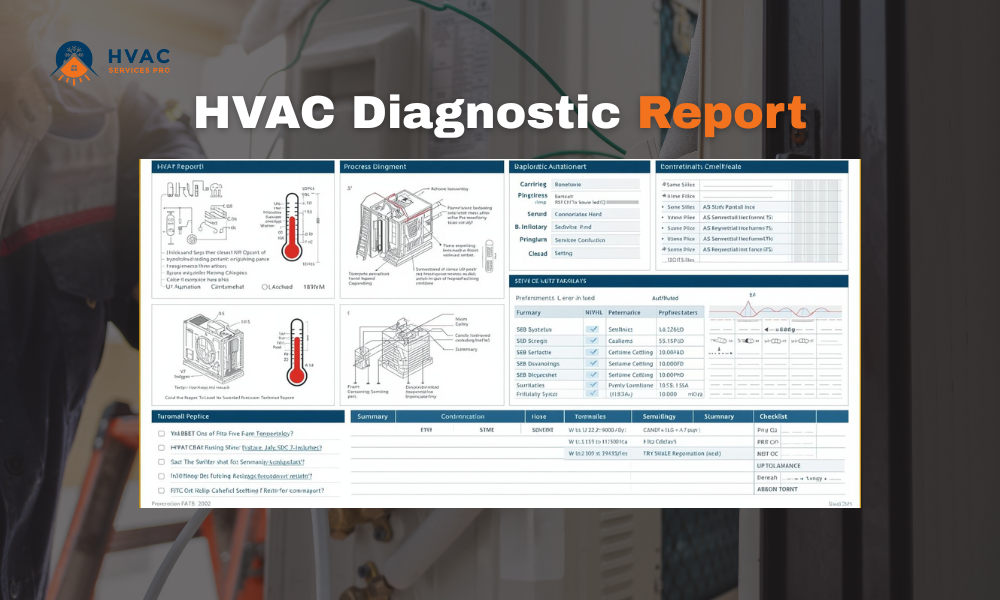
A professional diagnostic report serves as the “medical record” of your system. It should justify the repair estimate with hard data. To ensure clarity, a transparent repair pricing model should go with the following data points:
- System Error Codes: A log of any digital codes found in the control board memory.
- Amperage Readings: The actual amp draw of the compressor and condenser fan.
- Temperature Differential: The “split” between the return air and supply air (usually 16–20 degrees).
- Static Pressure Results: Data showing if your ductwork is the correct size.
- Component Ratings: Actual versus rated microfarads for all capacitors.
- Refrigerant Levels: Document superheat and subcooling to confirm the system is leak-free.

I recommend homeowners keep these reports for insurance justification or warranty claims. A detailed report demonstrates that the HVAC technician conducted a thorough root cause analysis.
At HVAC Services Pro, our digital reports include photos of the faulty parts so you can see exactly what needs attention.
Check your recent service records. If they lack these specifics, our team can provide a comprehensive HVAC system evaluation today.
Frequently Asked Questions
Can an HVAC tech diagnose a system if I have unpermitted ductwork or additions?
Yes, a technician can still perform diagnostics. Though they must account for the extra static pressure caused by the addition.
How does a lightning strike affect the HVAC diagnostic process?
Surge damage is often “layered,” meaning I may need to replace a fried control board before we can even test the compressor or blower motor.
What causes a “phantom” burning smell if my system is running fine?
This often points to a failing transformer or a heat exchanger issue. During a diagnostic visit, we use thermal imaging to detect any wires or components that are overheating. This helps prevent fires or complete system breakdowns.
Can you diagnose a system if the landlord has the only access to the outdoor unit?
Access is mandatory for a professional HVAC troubleshooting visit. We must hook up manifold gauges to the outdoor condenser coil to verify the refrigerant cycle. Without outdoor access, the diagnosis remains incomplete and speculative.
Should I get a second opinion if a tech suggests a full replacement on the first visit?
Always get a second opinion if a technician recommends a new system. Make sure they show specific amp draw issues or a cracked heat exchanger with a camera. At HVAC Services Pro, we focus on repairs whenever the system remains safe and efficient.
Final Summary
Your first HVAC diagnostic is the most important step in restoring comfort and protecting your investment. We find the root cause by checking all operations and using a detailed report. This ensures the repair is done right the first time. Professional HVAC troubleshooting saves money. Also, it avoids guesswork and improves your system’s energy efficiency. Entering the diagnostic process with the right expectations ensures you get full value for your diagnostic fee. At HVAC Services Pro, our goal is to provide that peace of mind through every step of the diagnostic process.