




How an Air Conditioner Condenser Works
Understanding how your AC condenser works can help you spot problems early, improve efficiency, and keep your home comfortable during hot Texas summers.
In this guide, we break down the role of the condenser, how it connects to the rest of your air conditioning system, and what homeowners should watch for to avoid costly repairs.
Your air conditioning system relies on several components working together, but one piece does the heavy lifting when it comes to removing heat from your home. Understanding how the condenser on air conditioner systems works helps you maintain it properly, spot problems early, and make smart decisions when repairs or replacements are necessary.
What Is an AC Condenser? (Quick Answer First)
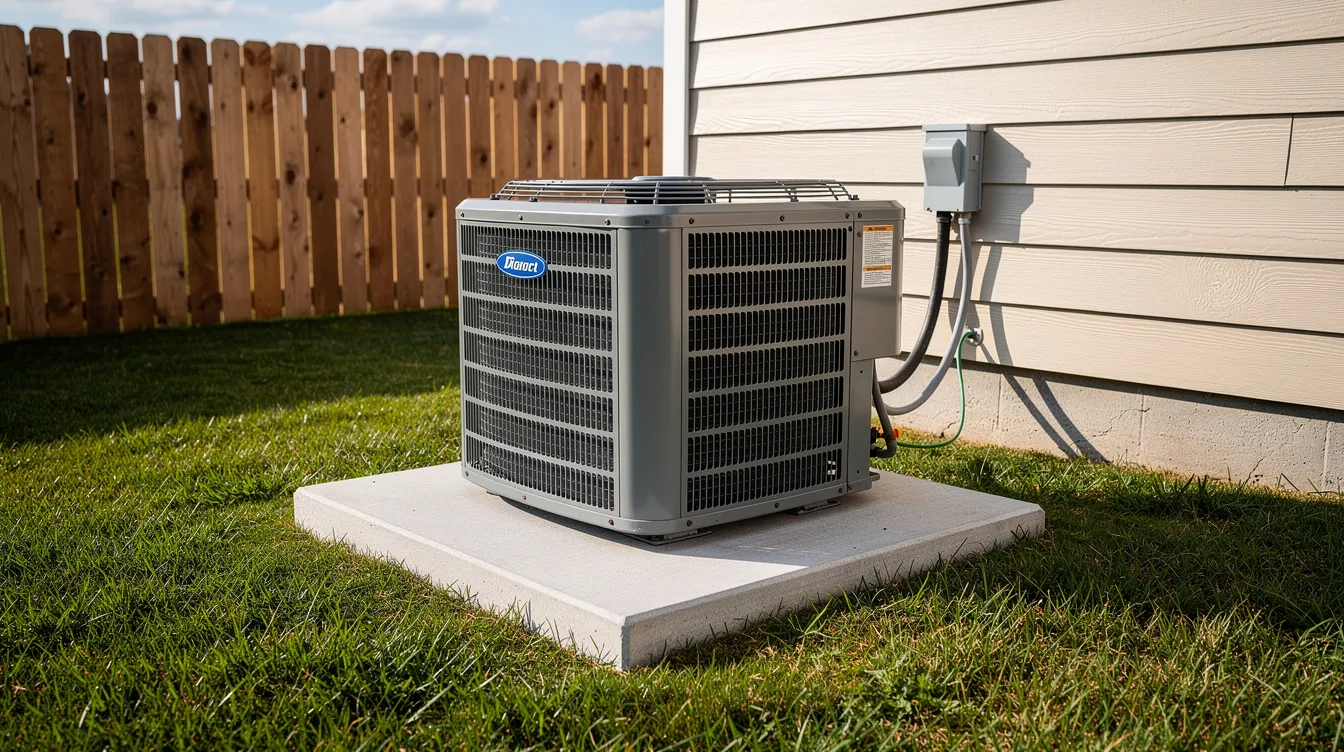
The ac condenser is the outdoor unit that releases heat from your home into the outside air. It works alongside the evaporator coil inside your home to complete the cooling cycle that keeps your living spaces comfortable.
This condenser unit houses several critical parts: the compressor, condenser coil, and condenser fan, all protected inside a weatherproof metal cabinet. Residential units typically measure 2-3 feet wide by 3-4 feet tall, depending on cooling capacity.
Without a working condenser, your air conditioner will blow warm air or may shut down completely. The entire system depends on this outdoor portion to dump absorbed indoor heat.
On a 95°F summer afternoon, the condenser is the box outside humming away, dumping indoor heat into the backyard air. When it fails, room temperatures can climb 10-15°F above your thermostat setting within hours.
How Does an AC Condenser Work?
The condenser is one stage in a closed refrigeration cycle that continuously moves heat from indoors to outdoors. Understanding how air conditioning systems work overall helps you recognize when something goes wrong.
Here’s how an air conditioner condenser works:
- Refrigerant enters the condenser as a hot gas (180-220°F) after absorbing heat from indoor air at the evaporator coil inside your home
- The outdoor fan blows outside air across the condenser coil, facilitating heat transfer from the refrigerant to outdoor air
- As heat leaves the refrigerant, it condenses back into a liquid—this is where the “condenser” name comes from
- The warm liquid refrigerant travels back indoors to the evaporator, where it absorbs more heat and the cycle repeats
This cycle runs continuously while your thermostat calls for cooling, maintaining a comfortable indoor environment even on the hottest days.
Key Components Inside the Condenser Unit
What looks like a single metal box is actually several coordinated components working together inside the outdoor cabinet.
Compressor: Often called the “heart” of the system, the compressor pumps and pressurizes refrigerant, raising its temperature to 150-200°F. This makes releasing heat into the outdoor air possible, even when it’s hot outside.
Condenser Coil: A loop of copper or aluminum tubing with densely packed metal fins (12-20 fins per inch) that maximize surface area for heat transfer. Residential coils span 15-30 square feet of surface area.
Fan and Fan Motor: The condenser fan and motor generate 1,500-3,000 CFM of airflow, pulling outdoor air through the coil to carry heat away. Without this airflow, heat rejection stalls.
Electrical Components: Supporting parts include the contactor (a relay switching power), capacitors (storing energy for motor startup), and in newer inverter models, control boards managing variable speeds.
The ac condenser unit needs 2-3 feet of clearance on all sides for proper airflow. Blocking this space with plants or debris can reduce cooling efficiency by 20-30%.
What Is the Purpose of the Condenser on an Air Conditioner?
The condenser’s main purpose is removing heat from the refrigerant and releasing it into outdoor air. This heat rejection is what makes the entire cooling system work.
When the condenser releases heat, the refrigerant cools down enough to return indoors and absorb more heat from your living space. Without this step, refrigerant inside the system would stay hot, and your vents would blow warm air instead of cool air.
The condenser directly affects:
- How quickly your home reaches the desired temperature
- How much electricity your hvac system consumes
- Whether indoor temperatures stay stable during 90-100°F days
- Overall cooling capacity and cooling performance
In heat pump systems, the same outdoor unit reverses function in winter. Instead of releasing heat outdoors, it absorbs heat from outside air and moves it indoors—even in temperatures as low as -15°F with advanced models.
Types of Air Conditioner and Heat Pump Condensers
Residential condensers come in several configurations to match different home layouts and climates.
By function:
- Straight AC condensers (cooling only)
- Heat pump condensers (both cooling and heating capability)
By staging:
- Single-stage: On/off operation, 70-80 dB, most affordable
- Two-stage: High/low settings, 10-20% energy savings, quieter operation
- Variable-speed (inverter): Modulates 40-120% output, up to 40% efficiency gains, quiet operation at 55-65 dB
By size: Common residential sizes range from 1.5 to 5 tons (18,000-60,000 BTU/hr). For example, a homeowner might choose a 4 ton 14.3 SEER2 air conditioner condenser for larger cooling loads. A 2,000 square foot home in a moderate climate typically needs a 3-ton unit, while the same home in Phoenix might require 4 tons.
Condensers can pair with gas furnaces, electric air handlers, or function as part of packaged rooftop systems depending on your indoor unit configuration.
AC Condenser vs. Heat Pump Condenser
Both use similar outdoor cabinets, coils, and fans. The key difference is that heat pump condensers include a reversing valve that switches refrigerant flow direction.
| Feature | AC Condenser | Heat Pump Condenser |
|---|---|---|
| Cooling | Yes | Yes |
| Heating | No | Yes |
| Reversing valve | No | Yes |
| Best climate | Cold regions (pairs with furnace) | Mild to moderate climates |
| In cooling mode, a heat pump works identically to a standard AC condenser, releasing heat outdoors. In heating mode, the process reverses—the outdoor coil absorbs heat from outdoor air and moves it indoors. | ||
| Before planning replacements or upgrades, confirm whether your outdoor unit is a heat pump or AC-only by checking the model number or asking a technician; for some homes, a 2.5 ton 15.2 SEER2 single-stage heat pump offers an efficient way to handle both heating and cooling. |
Common AC Condenser Problems and Warning Signs
The outdoor unit operates in harsh conditions—sun, rain, debris, temperature extremes—and eventually develops issues. The average condenser lifespan runs 10-15 years, with problems becoming more frequent after year 12.
Common warning signs include:
Homeowners considering higher-efficiency replacements sometimes look at options like a 3 ton 18 SEER2 variable speed air conditioner condenser when these warning signs become frequent.
- Warm air blowing from vents despite thermostat settings
- Unusual noises from the outdoor unit
- Frequent on-off cycling (short-cycling)
- Tripped circuit breakers
- Ice buildup on refrigerant lines
Ignoring early symptoms can lead to compressor burnout—one of the most expensive repairs, often running $2,000-5,000.
Fan or Motor Issues
If the condenser cabinet hums but the fan blade isn’t spinning, you likely have a motor or capacitor problem. Capacitor failures account for roughly 40% of service calls.
Without the outdoor fan moving air across the coil, heat cannot escape. Continued operation causes pressure spikes and can quickly damage the compressor. If you notice the fan not turning, shut the system off at the thermostat immediately and call a professional.
Dirty or Clogged Condenser Coil
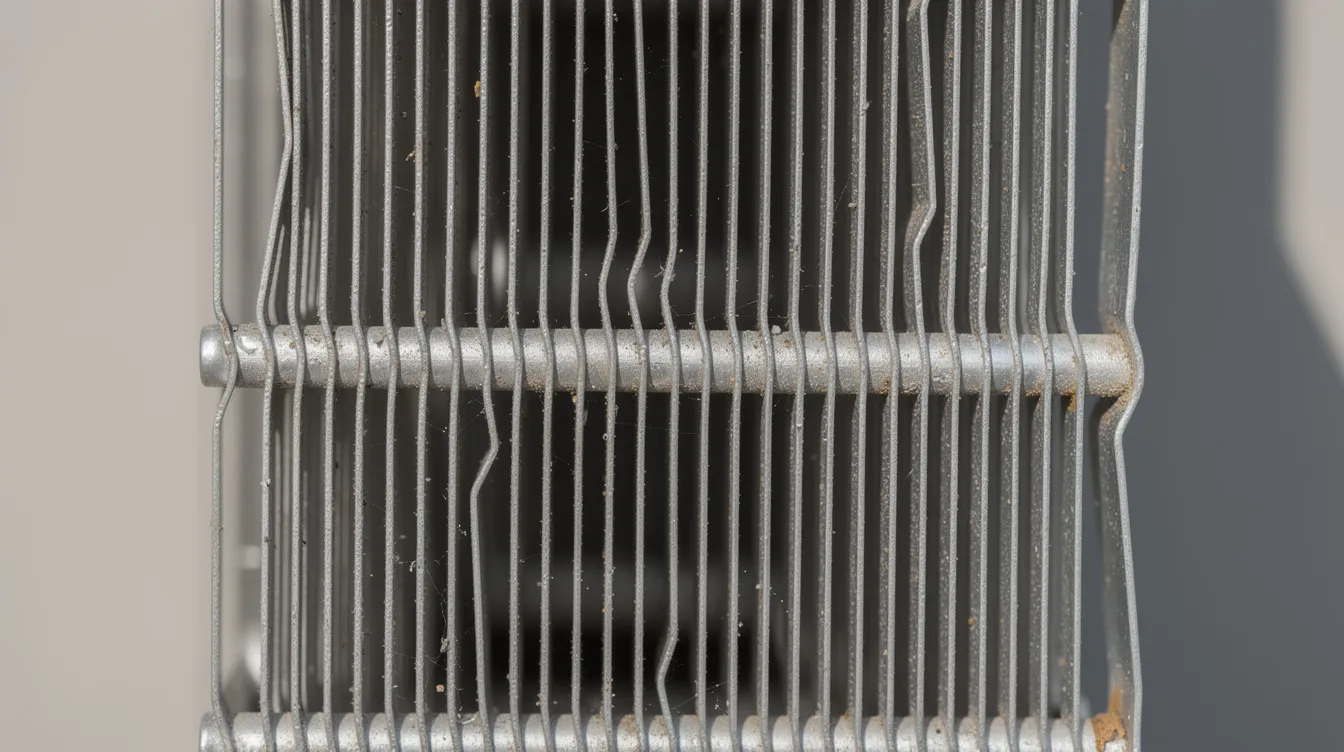
Grass clippings, cottonwood fluff, dust, and leaves accumulate on coil fins and block heat transfer. This reduced cooling efficiency forces longer run times and higher energy bills.
Signs of a dirty coil:
- System runs constantly on hot afternoons
- Noticeably hot air blowing from the top of the unit
- Higher energy consumption than previous seasons
Gently rinsing the coil exterior with a garden hose (power off) is safe for homeowners. Severe buildup or bent fins require professional cleaning.
Refrigerant Leaks and Coil Corrosion
Copper and aluminum tubing can corrode over years, especially in coastal areas or locations with corrosive air quality. Formicary corrosion (micro-pitting) is a common cause of refrigerant leaks.
Symptoms include:
- Hissing sounds near the outdoor unit
- Oily spots on tubing or coil surface
- Ice on refrigerant lines
- Gradual loss of cooling capacity
Only licensed technicians can legally handle refrigerant, locate leaks, and recharge the system. Repeated leak repairs on older units may justify full ac condenser replacement rather than continued patching.
Electrical Problems (Capacitor, Contactor, Wiring)
Common electrical faults include failed start/run capacitors, worn contactor contacts, and damaged wiring. Strange noises like clicking, buzzing, or humming from the outdoor cabinet often indicate electrical issues.
The unit may fail to start at all, or it may attempt starting and immediately shut down. These repairs require HVAC professionals—homeowners should never open the electrical compartment due to shock hazards from stored capacitor charge.
What Happens When the Condenser Fails?
When the condenser cannot release heat, the entire cooling cycle breaks down. The system’s performance degrades progressively.
Early failure signs:
- Vents blowing lukewarm air instead of cool air
- Run times doubling or tripling
- Indoor temperatures creeping up despite constant operation
Complete failure:
- Outdoor unit won’t start
- Breakers trip repeatedly
- Air inside your home warms rapidly
Attempting to restart a failing condenser repeatedly accelerates damage and increases repair costs. If you suspect the condenser has failed, shut the entire system off and schedule professional service.
How Much Does an AC Condenser Cost?
Full outdoor condenser replacement for U.S. residential systems typically runs $3,500-8,000 installed, including equipment and labor. For complete system upgrades, especially in regions like Dallas–Fort Worth, it helps to review an HVAC installation cost guide for homeowners to understand broader project pricing.
Factors affecting ac condenser cost:
- Brand and model line
- Size in tons
- SEER2 efficiency rating
- AC-only vs. heat pump
- Installation complexity
- Local labor rates ($1,500-3,000 typical)
Example scenarios:
If your home needs a moderate-capacity system, a 2 ton 14.3 SEER2 air conditioner condenser can be a cost-effective choice, depending on climate and load calculations.
A basic 3-ton, 14 SEER2 replacement ac condenser might cost $3,500-4,500 installed. Larger homes may require equipment like a 5 ton 14.3 SEER2 single-stage air conditioner condenser. The same home upgrading to a 20 SEER2 variable-speed unit could pay $6,500-8,000—but save $200-400 annually on energy bills and potentially qualify for federal tax credits up to $2,000.
Always request itemized estimates showing equipment, labor, permits, and optional upgrades separately.
Can You Replace Just the Condenser Unit?
Technically, you can sometimes replace only the outdoor unit while keeping existing indoor components. However, compatibility matters significantly.
New condensers must match the indoor coil’s refrigerant type and capacity. Installing an R-410A outdoor unit with an R-22 indoor coil (or mismatching capacities) can void warranties and reduce efficiency 20% or more.
For systems over 10-15 years old, most experts recommend replacing both indoor and outdoor units together. This ensures proper matching, maximizes energy efficiency, and provides consistent warranty coverage across the entire system.
Choosing the Right Condenser on an Air Conditioner
The right condenser balances comfort, efficiency, budget, and compatibility with existing equipment.
Key decision factors:
- Whether a smaller-capacity system such as a 1.5 ton 14.3 SEER2 single-stage air conditioner condenser can meet your home’s cooling load
- Proper sizing based on professional load calculation (Manual J) and deciding if a 2 ton 14.3 SEER2 single-stage heat pump or similar system fits your home’s heating and cooling needs
- Climate and local utility rates, which influence whether a 4 ton 14.3 SEER2 single-stage heat pump makes sense for combined heating and cooling
- How long you plan to stay in the home and whether investing in a 4 ton 17 SEER2 multi-speed air conditioner condenser will pay back through energy savings over that period
- Noise levels (especially near bedrooms or patios)
- Warranty terms (look for 10-year compressor coverage)
- Available rebates and tax credits
What Size Condenser Do You Need?
Size is measured in tons or BTU/hr, and bigger is not always better.
Undersized units can’t keep up on hot days, run constantly, and struggle to maintain comfort.
Oversized units short-cycle (turn on and off frequently), fail to remove humidity properly, and wear out faster.
Reputable contractors use Manual J calculations considering insulation, windows, orientation, and climate—not just square footage. Be wary of quotes recommending dramatically larger units without clear load calculations.
What Efficiency Rating Should You Look For?
SEER2 (Seasonal Energy Efficiency Ratio) measures cooling efficiency in newer systems. Higher SEER2 means lower utility bills for the same cooling output.
Current residential units range from 14 to 28+ SEER2. A 3-ton unit at 20 SEER2 might consume 2.25 kW versus 3.75 kW for a 10 SEER2 equivalent—translating to significant annual savings in hot climates.
Moderate efficiency upgrades (16-20 SEER2) often offer the best payback, especially for homes with long cooling seasons. Check for ENERGY STAR certification and local utility rebates tied to specific efficiency levels.
Basic AC Condenser Maintenance for Homeowners
Simple annual maintenance keeps condensers running efficiently and extends their lifespan. Most homeowner tasks take 30 minutes or less.
Safe DIY maintenance:
- Keep 2-3 feet of clear space around the unit (trim bushes, remove debris)
- Rinse exterior coil fins gently with a garden hose once or twice per cooling season
- Change or clean air filters regularly (dirty air filter increases condenser stress)
- Visually inspect for obvious damage after storms
Always shut off power at the disconnect or breaker before cleaning near the condenser.
Schedule professional tune-ups annually. Technicians check refrigerant charge, test electrical components, clean coils thoroughly, and circulate refrigerant to verify proper system operation.
When to Call a Professional
Contact a licensed HVAC technician if you notice:
- Outdoor unit not starting
- Fan not spinning while compressor hums
- Breakers tripping repeatedly
- Sudden loud or buzzing sounds
- Vents blowing warm air while condenser runs continuously
- Ice buildup on refrigerant lines
Never attempt refrigerant handling, internal electrical repairs, or compressor work yourself. These tasks require certification and specialized equipment.
Keep records of all service visits and repairs—this history guides future replacement decisions and supports warranty claims when needed.
Common AC Repair Questions
Why is my AC blowing warm air?
Warm air can be caused by low refrigerant, a dirty air filter, thermostat issues, electrical problems, or a failing compressor. A professional inspection can find the exact cause quickly.
Why is my AC turning on and off too often?
This is called short cycling. It may be caused by a clogged filter, incorrect thermostat placement, low refrigerant, or an oversized system.
How do I know if I need AC repair?
Signs include weak airflow, unusual noises, bad odors, warm air, water leaks, high energy bills, or uneven cooling throughout your home.
Can I schedule an AC repair appointment online?
Yes. You can call us directly or use our online scheduling form to book a convenient appointment time for AC repair service.
Have AC Repair Questions? Schedule Your Appointment Today
Whether your AC is blowing warm air, making strange noises, leaking water, or not turning on at all, our team is here to help. Get expert answers fast and book your AC repair appointment with trusted local technicians.