





Local AC Installation Cost Calculator
Estimate your installed AC price based on ZIP code, home size, system size, SEER2 efficiency, install location, ductwork, and whether your home uses gas heat.
AC Installation Cost Calculator
Estimate your installed AC price based on ZIP code, home size, system size, SEER2 efficiency, install location, ductwork, and system type.

If you’re searching for how much is a new air conditioner unit, you’re probably staring down a breakdown or planning ahead before summer heat arrives. The short answer: most homeowners pay between $5,500 and $16,000 for a new central air conditioner installed in 2026, though your final price depends heavily on your home, your climate, and the efficiency level you choose.
Quick Answer: What You’ll Likely Pay in 2026
A new central air conditioning unit in 2026 typically costs $5,500 to $16,000 installed for most single-family homes with existing ductwork. Budget-friendly replacements in ideal conditions can start around $3,000, while premium variable speed systems or geothermal installations can exceed $20,000.
Here’s a quick breakdown of what to expect:
- A replacement central air conditioner only (no furnace, no new ducts) typically runs $3,900 to $8,100 for standard efficiency, or $6,958 to $13,418 for mid-to-high efficiency models.
- A full HVAC system including AC plus a furnace or heat pump ranges from $5,000 to $30,000 nationally, with most complete installations landing between $10,000 and $20,000.
- Standard quotes include the outdoor unit, indoor evaporator coil or air handler, basic labor, permits, and old unit haul-away—but ductwork repairs, electrical upgrades, and accessories like smart thermostats typically add $1,000 to $5,000 extra.
- Exact pricing requires an in-home quote because your home’s square footage, local climate demands, insulation quality, and efficiency targets all affect the final number.
Common Cost Components of a New AC Unit
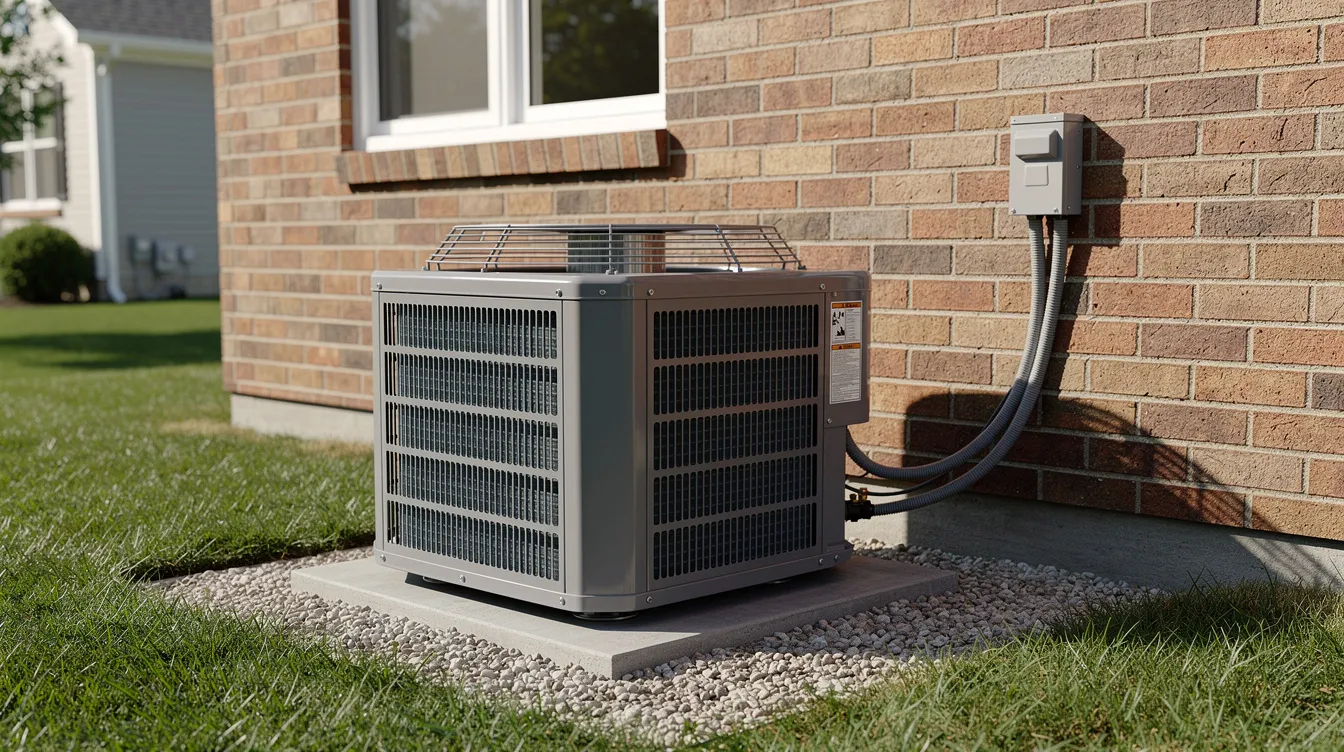
When contractors quote an air conditioner cost, they’re bundling far more than just the outside AC unit you see in your yard. Understanding what’s included helps explain why quotes can vary by thousands of dollars between companies.
The main cost components typically include:
- The outdoor condenser (compresses refrigerant to release heat) and indoor coil or air handler (absorbs indoor heat via refrigerant evaporation).
- Labor and installation materials including a concrete pad ($100–$300), copper line set ($200–$500), electrical whip and disconnect ($150–$400), and sheet metal transitions for duct connections.
- Possible ductwork modifications to fix undersized or leaky ducts, which can add $3,000–$7,500 for significant repairs.
- Permits, inspections, and haul-away of your old unit—non-negotiable in most jurisdictions.
- Optional accessories like WiFi thermostats ($150–$500), UV air cleaners ($300–$800), surge protectors, and condensate pumps for attic or basement setups.
Labor typically accounts for 40–60% of the total cost, which is why a “simple swap” in an accessible location might stay under $7,000 while an attic installation with contaminated lines can push totals over $12,000.
AC Unit Price by Type in 2026
Different types of air conditioning systems serve different needs and carry very different price tags. Your choice depends on whether you need whole-home cooling, zone control, or spot cooling for specific rooms.
Here are the approximate 2026 price ranges for each type:
- Window units remain the budget option at $150–$800 per unit, with DIY or handyman installation adding $60–$400. Best for apartments or spot cooling single rooms.
- Portable AC units run $100–$500 for the unit plus $80–$700 for installation. They offer mobility but vent hot air inefficiently.
- Ductless mini-split systems cost $2,000–$4,000 installed for single-zone setups, or $7,000–$12,000 for multi-zone systems with 2–4 indoor units. Excellent for homes without existing ducts or for additions.
- Central split systems, the most common in U.S. homes, range from $5,500–$16,000 installed. These deliver uniform cool air throughout your home via existing ductwork.
- Geothermal systems represent the premium tier at $15,200–$40,000 installed, using ground loops to achieve exceptional efficiency but requiring significant upfront investment and yard space.
Window and portable units suit renters or temporary situations. A central AC system provides whole-home comfort for permanent installations. Ductless offers flexibility when running new ducts isn’t practical.
Central Air Conditioner Cost Tiers
Since most homeowners searching for a new AC unit mean central air conditioning, let’s zoom in on the three main cost tiers:
- Entry-level single-stage systems (14–15 SEER2) cost approximately $5,500–$8,800 installed. These use fixed-speed compressors that cycle fully on or off. Best for budget-focused buyers or those planning to move within 5 years.
- Mid-range two-stage systems (16–18 SEER2) run about $6,700–$9,400 installed. The low/high speed operation provides better humidity control and 10–20% energy efficiency gains. Fits homeowners staying 3–5 years who want a balance of cost and comfort.
- High-end variable speed units or inverter systems (19–25+ SEER2) range from $8,300–$16,000+ installed. These modulate output continuously for whisper-quiet operation, superior dehumidification, and 30–50% lower energy bills. Ideal for 10+ year stays in hot or humid climates.
These ranges assume your home has usable existing ducts and a 200-amp electrical panel without major modifications needed.
How Size (Tonnage) Affects the Price of a New AC
Air conditioner units are sized in “tons” of cooling capacity, and selecting the right size matters more than most homeowners realize. Bigger isn’t better—an oversized unit creates problems that cost money and comfort.
Key points about AC sizing:
- One ton equals 12,000 BTU per hour of cooling, typically handling 400–600 square feet in a well-insulated 2026 home.
- Small homes and condos under 1,000 square feet typically need 1.5–2 ton units ($1,300–$5,000 for equipment).
- Standard 2,000–2,400 square foot homes usually require 3–4 ton systems ($2,000–$6,200 for equipment).
- Large or poorly insulated homes may need 5-ton units ($2,800–$6,800 for equipment).
- Larger units require bigger ductwork, larger breakers (50–60A vs. 30A), and more installation labor, adding $500–$2,000 to the project.
- An oversized AC unit causes short-cycling (running less than 10 minutes per cycle), spikes indoor humidity above 60%, creates uneven cooling, and increases failure rates by 10–15%.
Manual J Load Calculation and Proper Sizing
Manual J is the industry-standard method contractors use to determine the exact cooling load your home requires—and it’s far more accurate than old-school square footage rules.
Here’s what you need to know:
- Manual J is a room-by-room engineering calculation that factors in your home’s square footage, insulation R-values, window types and orientations, number of occupants, appliances, and local climate data.
- Skipping this step often leads to oversizing, which means higher equipment costs, higher energy usage, more repairs, and poor humidity control.
- Always insist on a written load calculation from any HVAC contractor providing an estimate. If they size based solely on the old unit’s nameplate or a crude “500 square feet per ton” rule, consider another company.
- An accurately sized system often allows a smaller, less expensive new unit to outperform an oversized one while delivering better comfort and lower operating costs.
Energy Efficiency (SEER2) and Its Impact on Cost
SEER2 is the updated energy efficiency rating used for air conditioning equipment in 2026, similar to how MPG measures fuel efficiency for vehicles. Understanding it helps you make smarter decisions about upfront cost versus long-term savings.
What you need to know about SEER2:
- SEER2 replaced the older SEER rating starting in 2023, using updated testing conditions that more accurately reflect real-world performance. SEER2 numbers run about 5% lower than equivalent SEER ratings.
- Minimum required SEER2 levels in 2026 vary by climate zone—around 14.3 SEER2 in southern states like Texas and Florida, 13.4–15.2 in other regions.
- Higher SEER2 systems cost 20–50% more upfront (a $2,000–$5,000 premium) but deliver 20–40% lower energy costs, saving $150–$400 annually on a typical 3-ton system.
- In hot climates with long cooling seasons, targeting 18+ SEER2 often makes financial sense. In mild climates, mid-tier efficiency (16 SEER2) frequently offers the best value.
High-efficiency units also deliver comfort benefits beyond energy bills: quieter operation (50 dB vs. 75 dB), better humidity control removing 20–30% more moisture, and more even temperatures throughout your home.
Do High-Efficiency AC Units Pay for Themselves?
Whether improved energy efficiency pays back depends on your local energy costs, climate, and how long you’ll stay in the home.
Consider this example:
- In a 2,000 square foot Atlanta home, upgrading from 14 SEER2 to 20 SEER2 saves roughly $350 per year in electricity. That recoups a $3,000 efficiency premium in 8–10 years.
- In hotter Miami with 2,000+ cooling hours annually, payback drops to 5–7 years. In cooler Buffalo, it extends to 15+ years.
- Ask contractors to provide a simple “operating cost comparison” showing estimated annual energy costs for each option they quote.
- Sometimes enhanced comfort—quieter operation, better dehumidification, fewer temperature swings—justifies the upgrade even before pure dollar payback arrives.
Installation Factors That Change Your Final Price
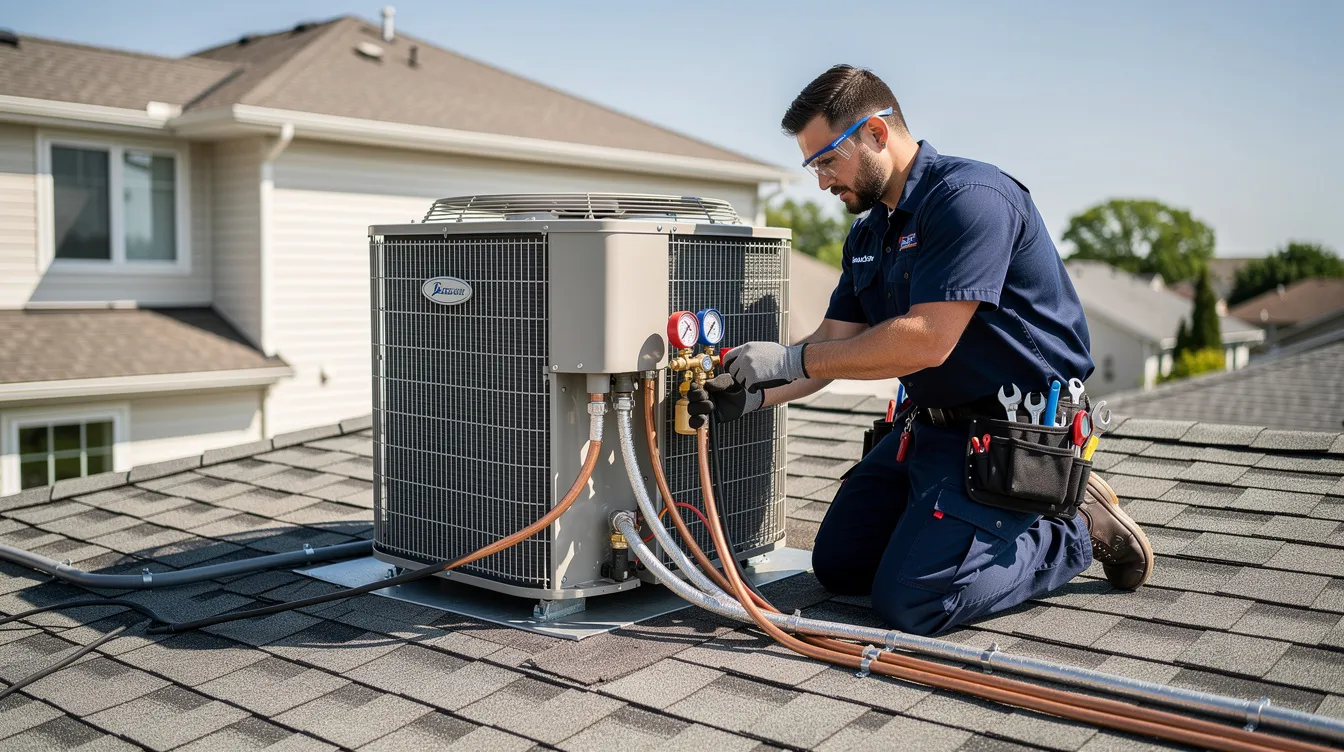
Two identical AC units can have dramatically different installation costs because homes and installation complexity vary significantly. The equipment price is only part of the equation.
Major variables that affect your final price include:
- Equipment location: Attic or crawl space installations can double labor time (8–12 hours vs. 4–6 for ground-level slab installations).
- Existing ductwork condition: Leaky ducts losing more than 15% airflow may need $3,000–$7,500 in repairs or redesign.
- Electrical panel capacity: Panels under 200 amps may require subpanel additions or breaker upgrades costing $1,000–$3,000.
- Line set condition: Replacing refrigerant lines (required when upgrading from R-410A to newer A2L refrigerants) adds $800–$1,500.
- Code requirements: Local permits, hurricane anchoring in Florida ($500), elevated pads (4–6 inches, $200), and clearance requirements vary by jurisdiction.
These factors can add anywhere from a few hundred to several thousand dollars beyond a basic replacement quote.
Ductwork Modification Costs
Your new central AC can only perform as well as the duct system delivering cool air throughout your home. Many older homes have undersized, leaky, or poorly designed ducts that limit proper airflow and comfort.
What to expect for ductwork:
- Homes built before 2000 often have uninsulated ducts losing 20–30% of cooling efficiency.
- New ductwork in a standard single-family home (around 300 linear feet) typically costs $3,000–$7,500 for Class 1 flex duct with R-8 insulation. Larger homes cost more.
- Common fixes include resizing trunk lines and runs, sealing joints and connections, adding insulation, and installing additional returns in hot or stuffy rooms.
- Proper ductwork ensures proper airflow, reduces noise, and protects your new system from premature failure due to restricted airflow.
Electrical, Drainage, and Other “Hidden” Costs
Small line items can add up quickly in your final invoice. Reputable HVAC companies disclose these items upfront rather than surprising you at the end.
Common additional costs include:
- Electrical add-ons: New disconnect box ($150–$250), electrical whip ($150), breaker, or dedicated circuit—often adding $100–$600 total.
- Condensate management: New drain lines, safety float switches, or condensate pumps ($150–$300 installed) that prevent water damage.
- Line set protection: Covers or positive-seal systems that protect refrigerant lines and improve appearance ($100–$300).
- Permit fees: Vary by city and county, typically $150–$500 depending on local requirements and inspection schedules.
Regional and Market Trends Affecting 2026 AC Prices
The average price for a new AC in 2026 reflects current material costs, labor rates, efficiency regulations, and supply chain conditions that continue evolving.
Key regional and market factors:
- Hotter regions (South, Southwest) see higher installation volumes and sometimes higher demand-season pricing during peak summer months.
- Northeastern and coastal states often have elevated labor costs and stricter permit requirements, pushing the average costs higher.
- Refrigerant regulations phasing out R-410A in favor of lower-GWP alternatives like R-32 and R-454B have increased some HVAC equipment prices by 10–15%.
- Labor costs have risen 5–7% annually, reflected in higher installation quotes across all regions.
- Treat online averages as a starting point—always request recent, local quotes for accurate pricing.
Seasonal Timing: When to Buy a New AC
Off-peak seasons, specifically spring and fall, are typically best for both pricing and scheduling flexibility.
Planning considerations:
- Peak summer months (June–August) drive up demand, create rushed HVAC installation schedules, and can increase labor costs by 10–20%.
- Homeowners scheduling proactive replacement in March–May or September–October often receive more competitive quotes and faster service.
- Manufacturers and utilities frequently launch rebates during shoulder seasons to stimulate demand.
- Schedule estimates before your current system fails so you can compare options calmly instead of accepting the first available quote during a heat wave.
Tax Credits, Rebates, and Financing Options for 2026
Federal incentives, local utility rebates, and contractor financing can significantly reduce the out-of-pocket cost of a new air conditioning system in 2026.
Available incentives include:
- Federal energy efficiency tax credits through at least 2032 offer up to 30% back (maximum $2,000) for qualifying high-efficiency central air or heat pump systems meeting IRS requirements.
- Utility company rebates ranging from $500–$1,500 are available in many areas for high-SEER2 equipment and smart thermostats—check with your local provider.
- Manufacturer promotions sometimes bundle free smart thermostats or extended warranties with complete system installations.
- Financing options include 0% interest plans for 12–60 months or standard 5–10% APR financing, spreading a $10,000 new system into manageable payments around $200 per month.
Ask any HVAC contractor to outline all available rebates and financing during their estimate visit.
How to Maximize Incentives on a New AC
Coordinating equipment choice, timing, and paperwork is key to getting the most money back on your investment.
Steps to maximize savings:
- Confirm that the specific model number quoted actually qualifies for federal credits and local rebates by checking AHRI certification.
- Consider bundling AC replacement with other efficiency upgrades like insulation or air sealing when incentives stack.
- Keep copies of all invoices, AHRI certificates, and contractor documentation for tax filing.
- Some contractors handle rebate submissions on your behalf, simplifying the process considerably.

Working With a Professional: Getting an Accurate AC Quote
The only way to know exactly what your new air conditioner will cost is to get an in-home, written estimate from a qualified HVAC contractor who inspects your specific situation.
Best practices for getting quotes:
- Get at least two to three detailed quotes specifying equipment model numbers, SEER2 ratings, tonnage, and all included work.
- Insist on a Manual J load calculation and ductwork inspection as part of any serious estimate.
- Ask for a clear breakdown showing equipment costs versus labor costs, plus line items for electrical upgrades, duct changes, and accessories.
- Check licenses, insurance, references, and online reviews instead of choosing solely on the lowest price.
- Remember that well-installed mid-range HVAC equipment often outperforms poorly installed premium systems over 15–20 year lifespans.
Questions to Ask Before You Sign
Use this checklist during your in-home consultation to ensure you’re comparing apples to apples:
- “How did you size this new AC system for my home? Can I see the load calculation?”
- “What SEER2 rating and tonnage are you recommending, and why?”
- “What warranty coverage do I get on parts and labor?”
- “What ductwork, electrical, or drain changes are included in this quote?”
- “Do you pull permits and schedule inspections in my city?”
- “What are my options at different price points—good, better, and best?”
- “Do you offer maintenance plans or tune-ups after installation?”
Get these answers in writing so you can compare offers accurately before making your decision.
Is It Time to Replace or Just Repair Your AC?
Many homeowners first ask whether repairing their current system makes more sense than full HVAC replacement. Here’s how to think through that decision:
- Age matters: Central AC units over 12–15 years old, especially those using outdated R-22 refrigerant (now illegal to produce), are generally better candidates for replacement.
- Apply the 50% rule: If a repair quote approaches 50% of what a new system would cost, replacement usually makes more financial sense.
- Watch for warning signs: Recurring breakdowns, rising summer energy bills (more than 20% year-over-year), uneven cooling, or excessive noise all signal that replacement may be more economical long-term.
- Ask for both options: A good HVAC contractor will quote both repair and AC replacement in 2026 so you can compare payback periods and risk.
Summary: What a New Air Conditioner Unit Really Costs in 2026
Most central AC replacements in 2026 fall between $5,500 and $16,000 installed, with full HVAC systems (AC plus furnace or heat pump) ranging higher. Where you land in that range depends on several key factors.
Key takeaways:
- Your overall cost depends on the type of unit, size in tons, SEER2 system efficiency, ductwork condition, and installation complexity at your specific home.
- Federal tax credits, utility rebates, and financing can substantially reduce your upfront investment—potentially saving $1,000–$3,000 or more.
- Proper sizing through a Manual J calculation, quality installation by a licensed HVAC contractor, and choosing the right HVAC system matter more than chasing the lowest bid.
- Plan your replacement before a breakdown whenever possible. You’ll have time to compare options, secure better pricing, and schedule installation at your convenience.
The right system, properly installed, will effectively cool your home and deliver reliable comfort for the next 15–20 years. Start by scheduling in-home estimates from two or three reputable contractors to see exactly what your new air conditioner will cost.
Estimate Your Energy Savings Before You Invest in a New AC — Use Our Free Tool
