



Manual J load calculation gives the exact heating and cooling needs of a home. It helps you choose the right AC, heat pump, or furnace size. When I started working in HVAC content, I noticed many homeowners guessed hvac system size by square footage. That approach caused comfort issues and high bills.
HVAC Services Pro uses Manual J to measure heat gain and heat loss in a home. It considers insulation, windows, room size, and climate. This method helps you avoid oversized or undersized HVAC systems.
I will share a complete Manual J load calculation checklist for homeowners. You will learn inputs, steps, examples, and how to verify results.
Key Takeaways:
|
What Is a Manual J Load Calculation?
Manual J load calculation measures how much heating and cooling a home needs. ACCA created Manual J as a standard method for residential HVAC sizing.
It considers insulation R value, window U factor, solar heat gain, and air infiltration. By calculating BTUH per room, homeowners can accurately size HVAC systems. According to ACCA, correct Manual J sizing prevents short cycling and oversizing. ACCA states that Manual J helps avoid oversized systems and improves energy efficiency.
Residential Manual J load calculation focuses on single-family homes. It uses formulas like:
Cooling Load (BTUH) = Area × Ceiling Height × ΔT × 1.1
adjusted for windows, internal gains, and climate. Tools and worksheets simplify this process. Also help homeowners understand what AC or furnace size they truly need.
Why Manual J Is the Gold Standard for HVAC Sizing
Manual J provides accurate heating and cooling loads for each room, eliminating guesswork. It doesn’t do rough estimates. It calculates BTUH using insulation, windows, internal gains, and climate data. This method ensures homeowners select the right HVAC system.
And improves energy efficiency when checking the SEER2 rating chart for Texas homes. Beside that it also helps with-
Manual J vs Rule of Thumb Sizing

Rule of thumb: estimate 1 ton of cooling per 500 sq ft.
Manual J calculates BTUH based on insulation, windows, air changes, and room layout. Using SEER vs SEER2 information also ensures efficiency matches local climate needs.
Rule-of-thumb sizing leads to inefficiency. Oversized units cycle too often, and undersized systems fail on hot days. Manual J prevents these problems by including real data like infiltration rate, window SHGC, and internal heat gains.


Manual J vs Square Footage Sizing
Sizing only by square footage ignores ceiling height, orientation, and solar heat gain. Manual J incorporates these factors to calculate total heat gain accurately. In North Texas, ignoring orientation can increase cooling load by 10–15% EER2 performance.
Oversizing vs Undersizing HVAC Systems
Oversizing or undersizing an HVAC system affects both comfort and energy bills. Manual J ensures the correct tonnage for each room. Homeowners can use the formula:
Tons Required = Total Cooling Load ÷ 12,000
This gives precise AC sizing.
Oversizing Short Cycling
Oversized systems turn on and off frequently. This wastes energy. It also reduces system lifespan. Short cycling reduces the effectiveness of humidity control. The summer air feels less comfortable. This is a common problem in EER2 vs SEER2 comparisons for hot North Texas afternoons.
Undersizing Comfort Issues
Undersized units run constantly. Yet, they often fail to reach the desired temperature. Rooms remain too hot or cold on peak days. The HVAC system experiences more wear and tear. Checking AFUE ratings for mild winter comfort shows how undersizing impacts heating efficiency.
Humidity Control Sizing
Correctly sized HVAC systems manage latent load efficiently. Manual J includes moisture from occupants, appliances, and ventilation. This keeps indoor humidity within the ideal 40–60% range. Proper humidity improves comfort. It also reduces mold risks. This is especially important for DFW homes.
Manual J Load Calculation Checklist for Homeowners

A Manual J checklist guides homeowners to gather all necessary data. Accurate inputs lead to proper HVAC sizing. It ensures every input, from insulation to internal gains, is accounted for. Using an HVAC Manual J checklist early prevents oversizing and undersizing. It also avoids unexpected energy costs.
Building Measurements Checklist
Manual J requires precise room dimensions, ceiling heights, window areas, and floor areas. Collect measurements carefully. This ensures your AC or furnace matches your home’s unique layout. It is especially important when planning.
Ceiling Height
Higher ceilings increase air volume and heating/cooling load. Manual J adjusts BTUH calculations for ceiling height. This helps rooms reach the right temperature evenly and efficiently. This data also impacts duct design in Manual D planning.
Window Area
Windows are a major source of heat gain and loss. Measuring each window’s size and orientation helps calculate solar heat gain accurately. Manual J combines this with SEER2 rating chart data for precise cooling load.

Floor Area
Floor area directly affects total heat gain. Larger rooms require more cooling and heating capacity. Manual J formulas multiply floor area by design temperature differences and adjustment factors.
Room by Room
Manual J calculates each room separately to account for varying loads. Room-by-room load calculation improves comfort. It helps avoid oversizing. It also supports HVAC Manual J checklist verification.
Manual J Inputs Checklist
Manual J inputs include insulation, windows, orientation, infiltration, and internal gains. These inputs drive accurate heating and cooling load calculation. Manual J software tools like Wrightsoft require detailed input fields.
Window and Insulation Inputs
Insulation R value measures resistance to heat flow and reduces heating and cooling loads. Window U-factor and SHGC show heat transfer and solar gain. Manual J combines these inputs to calculate precise BTUH requirements.
Solar heat gain from windows and skylights can increase AC load by 10–20%, depending on orientation and shading. Accurate data prevents oversized systems and wasted energy.
Orientation and Shading Inputs
Manual J considers home orientation north, south, east, west, window orientation, and shade from trees. South-facing windows increase solar gain in summer. Proper shading reduces cooling load and improves energy efficiency. Using the SEER2 rating chart ensures that sizing matches the Texas climate.
Infiltration and Air Leakage Inputs
Air infiltration, infiltration rate, and air changes per hour add to total heat gain or loss. Duct leakage and ventilation rate also affect BTUH requirements. Manual J calculates these to avoid undersized or oversized systems.
Internal Gains Checklist
Internal heat comes from occupancy, appliances, and lighting. Manual J adds these gains to total load, ensuring proper humidity control and consistent comfort. This prevents undersized AC systems from running nonstop during North Texas summers. Checking AFUE ratings ensures mild winter comfort
Room-by-Room Manual J Load Calculation Checklist
Manual J requires calculating each room individually. Measure floor area, ceiling height, window area, and orientation for every room. Then calculate BTUH per room. Room-by-room load calculation improves duct sizing and airflow efficiency, verified with a manual j room by room checklist.
Manual J Load Calculation Step-by-Step (Homeowner Guide)
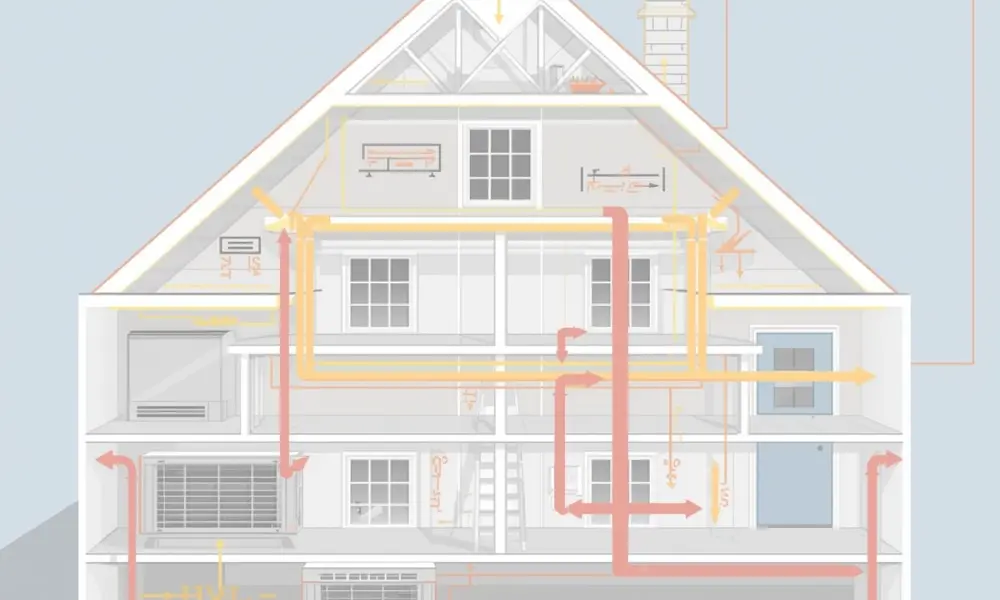
Manual J load calculation follows clear, step-by-step instructions. Homeowners can use a manual j worksheet to organize measurements, insulation values, and internal gains. This ensures each room’s BTUH is accurate. Proper calculation prevents oversized or undersized HVAC systems.
Design Day Conditions Explained
Design-day conditions represent the hottest summer day and the coldest winter day expected in your area. Outdoor design temperature and indoor design temperature set the basis for BTUH calculations. For example, Dallas has summer highs of 99°F and winter lows of 23°F, which directly affect load calculation.
Formula Example:
Cooling Load (BTUH) = Area × Ceiling Height × ΔT × 1.1
Where ΔT = Indoor Design Temp – Outdoor Design Temp.
Sensible vs Latent Load Explained
Sensible load changes the air temperature, while latent load accounts for moisture and humidity. Total heat gain combines both:
Total Load = Sensible Load + Latent Load
Manual J calculates each separately to ensure AC and heat pump sizing controls both temperature and humidity.
Step Example:
- Measure room dimensions.
- Note window sizes and SHGC.
- Record insulation R value and ceiling height.
- Calculate BTUH per room using ΔT and adjustment factors.
Manual J Calculation Example (Real Home Scenario)
Let’s consider a 2,000 sq ft Texas home with average insulation, south-facing windows, and standard ceiling height.
Cooling Load Example:
- Living Room: 5,000 BTUH
- Bedrooms (x3): 9,000 BTUH
- Kitchen: 4,000 BTUH
Total Cooling Load = 18,000 BTUH
This room-by-room data produces a Manual J report example for contractor verification (Manual J worksheet).
BTU and Tons of Cooling Calculation
Manual J converts BTUH into tons of cooling for HVAC sizing. Once BTUH is calculated, convert to tons of cooling:
Tons Required = Total Cooling Load ÷ 12,000
Example: 18,000 BTUH ÷ 12,000 = 1.5 tons AC required.
Similarly, heating load in BTUH helps select furnace size. Using formulas ensures correct sizing:
- Cooling Load (BTUH) = Σ (Room Area × Ceiling Height × ΔT × 1.1 + Window & Internal Gains)
- Heating Load (BTUH) = Σ (Room Area × Ceiling Height × ΔT × 1.2 + Infiltration Gains)
This method answers questions like how many tons do I need Manual J and how many BTUs do I need Manual J accurately. Let’s see in the data table:
| Load (BTUH) | Tons of Cooling |
| 12,000 | 1 ton |
| 24,000 | 2 tons |
| 36,000 | 3 tons |
Manual J Results Explained (What the Report Tells You)
A Manual J report summarizes the heating and cooling requirements for every room in your home. It shows total BTUH, tons of cooling, and sensible vs latent loads. Homeowners can see exactly how each factor, windows, insulation, and occupancy, affects system size.


The report also helps contractors design ducts and select equipment. For example, it lists each room’s cooling load, total load, and recommended AC or furnace capacity. This transparency prevents oversizing and ensures comfort throughout the home.
Manual J for AC, Heat Pump, and Furnace Sizing
Manual J guides AC sizing Manual J, heat pump sizing Manual J, and furnace sizing Manual J. Cooling load calculation provides BTUH needed for each room, while heating load ensures the furnace meets winter design temperatures.
Example Formula:
- Cooling Load (BTUH) = Total Room Loads + Internal Gains + Solar Heat Gain
- Heating Load (BTUH) = Total Room Loads + Infiltration + Ventilation Gains
Accurate sizing reduces energy bills, prevents short cycling, and maintains humidity control in all rooms.
Manual J Accuracy Checklist (Avoid Wrong Calculations)
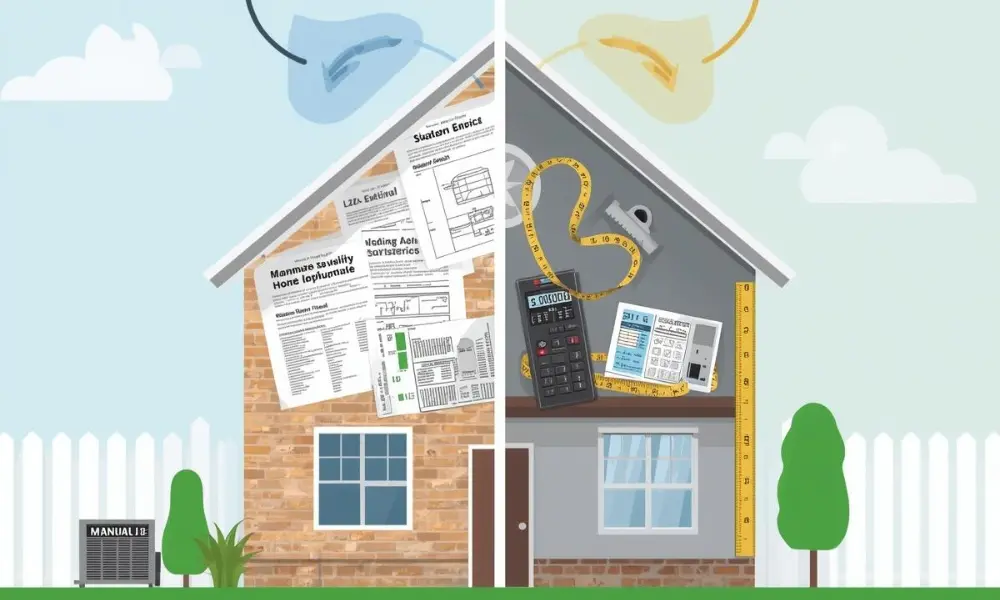
A thorough manual J accuracy checklist ensures no inputs are missing. Include insulation R values, window SHGC, ceiling height, duct location, and internal gains. Using a safety factor of 5–10% covers unusual weather or occupancy spikes.
Spot a Fake Manual J
Fake reports often skip room-by-room calculation or ignore infiltration, internal gains, and window orientation. Check whether BTUH matches your home’s square footage, ceiling height, and climate zone. Cross-reference with the manual J worksheet values.
Verify Manual J Results
Verify results by reviewing input data: room dimensions, window area, insulation, and duct losses. Confirm BTUH totals and recommended system size. Contractors should provide a manual j checklist for HVAC bids, so homeowners know calculations are valid.
Manual J vs Manual S vs Manual D Explained Simply
Manual J calculates load requirements. Manual S selects equipment based on those loads, ensuring proper capacity and efficiency. Manual D designs ducts to deliver airflow efficiently throughout the home.
Example:
- Manual J = Determines 18,000 BTUH cooling load
- Manual S = Selects 1.5-ton AC unit with correct SEER
- Manual D = Designs duct layout to deliver air evenly to all rooms (SEER2 vs EER2).
Using all three together ensures HVAC systems are sized, selected, and installed correctly, reducing energy waste and improving comfort in every room.
Conclusion
Manual J load calculation checklist helps homeowners understand HVAC sizing. It measures heating load, cooling load, infiltration rate, insulation R value, and internal heat gains. This method replaces rule-of-thumb sizing and square-footage estimates.
At HVAC Services Pro, we covered Manual J inputs, the step-by-step process, real examples, and report verification. You also learned how Manual J affects AC sizing, furnace sizing, and heat pump sizing. Manual J improves comfort, humidity control, and energy efficiency.
When you demand Manual J from contractors, you protect your home and your budget. Use this checklist to prepare for HVAC replacement or new installation.
Frequently Asked Questions (FAQ)
Should Your HVAC Contractor Provide a Manual J?
Yes, contractors should provide Manual J for accurate HVAC sizing. It ensures comfort and efficiency.
Can a Homeowner Do a Manual J Calculation?
Homeowners can gather inputs and use Manual J templates. Professionals should finalize calculations for permits.
What Information Does HVAC Need for Manual J?
HVAC needs measurements, insulation data, windows data, infiltration data, and occupancy data. These inputs determine heating and cooling load accurately.
How do I decide between different contractor HVAC proposals?
Compare proposals based on BTUH load calculations, system efficiency, and tonnage. Manual J ensures the size matches your home’s true heating and cooling needs.
Do architects or builders provide Manual J for new homes?
Often, architects submit basic plans, but HVAC contractors usually perform Manual J calculations. You can supply your house prints to the county or builder and request a professional load calculation.