





Trane Air Conditioning Units Reviews
Real reliability, homeowner feedback, pricing, and the best Trane AC models to buy in 2026.
If you’re researching a new air conditioner purchase, you’ve probably seen Trane’s name come up repeatedly. But do the real-world results match the brand’s premium reputation? This guide breaks down what homeowners and HVAC technicians actually report about Trane equipment—covering reliability, efficiency, costs, and which models make sense for different situations.
Quick Summary: Are Trane Air Conditioners Worth It in 2026?
Short answer: Yes, for most homeowners who plan to stay in their house long-term and prioritize reliability. Trane is widely regarded as a premium brand in the hvac system market, with equipment that earns strong marks for compressor durability, energy efficiency, and quiet operation. However, your actual experience depends heavily on installation quality and ongoing maintenance—a perfectly engineered Trane air conditioner can underperform if sized wrong or paired with leaky ductwork.
Most homeowner reviews and technician feedback rate Trane highly for long-term performance. Dealer profiles on Google typically average around 4.2 stars based on 300-500 reviews per location, with common praises for whisper-quiet outdoor units and 15% reductions in summer cooling bills. That said, complaints do surface around the cost of replacement parts, service delays during peak summer months (sometimes 2-3 weeks for specific components), and warranty coverage that excludes labor.
Quick Pros & Cons:
| Pros | Cons |
|---|---|
| Compressors and coils built to last 15-18+ years | Higher upfront price than budget brands |
| Variable-speed models offer excellent comfort | OEM parts cost 15-25% more than generics |
| All-aluminum Spine Fin coils resist corrosion | Warranty covers parts, not labor or refrigerant |
| Quieter operation than most competitors | Some service delays during peak season |
| Compared to lower-cost brands that may need replacement in 10-12 years, Trane’s life expectancy of 15-20 years with proper maintenance can make the total cost of ownership competitive. Keep reading to see detailed reviews, specific model recommendations, and realistic 2024 pricing. |
Key Features & Technology in Trane AC Systems (What Buyers Should Know)
Understanding what’s inside a Trane system helps you interpret reviews and choose equipment that actually fits your needs. Here’s what separates Trane’s technology from basic ac units.
Compressor Types
Trane offers three compressor configurations across their lineup:
- Single-stage: Runs at 100% capacity or shuts off completely. Simple, affordable, but less efficient and comfortable.
- Two-stage: Operates at high or low capacity, improving comfort and efficiency moderately.
- Variable-speed: Modulates across 700+ increments for precise temperature control, superior humidity management, and maximum efficiency.
The climatuff compressor in higher-end Trane products is engineered for durability—lab testing shows these components exceeding 90,000 hours of operation.
SEER2 Ratings Explained
As of 2023, efficiency is measured using SEER2 (which accounts for real-world cycling losses). Trane’s current lineup ranges from:
- Entry-level: ~14.3 SEER2 (meets federal minimum)
- Mid-tier multi-speed: up to 17.1 SEER2
- Top variable-speed: up to 23.6 SEER2
Higher SEER2 means lower operating cost, but the efficiency gains diminish as you approach the top tier. The sweet spot depends on your local electricity rates and cooling hours.
Refrigerant Transition
Starting in 2025, new residential air conditioning system equipment must use lower-global-warming-potential refrigerants like R-454B instead of R-410A. Trane’s newest units are designed for this transition, ensuring long-term parts availability and environmental compliance. If you’re buying now, confirm whether your unit uses the new refrigerant to avoid future freon-related complications.
Proprietary Features
- TruComfort™ variable-speed technology: Delivers consistent temperatures without energy spikes
- WeatherGuard™ cabinet: Sealed top and corrosion-resistant base for extreme conditions
- Spine Fin™ coils: All-aluminum design with 5x more surface area, resisting corrosion better than copper alternatives
- ComfortLink™ communicating technology: Enables fine-tuned control between components
Many negative reviews trace back to poor installation—incorrect sizing, bad airflow, or improper refrigerant charge—rather than the equipment itself. Working with certified technicians matters more than which specific model you choose.
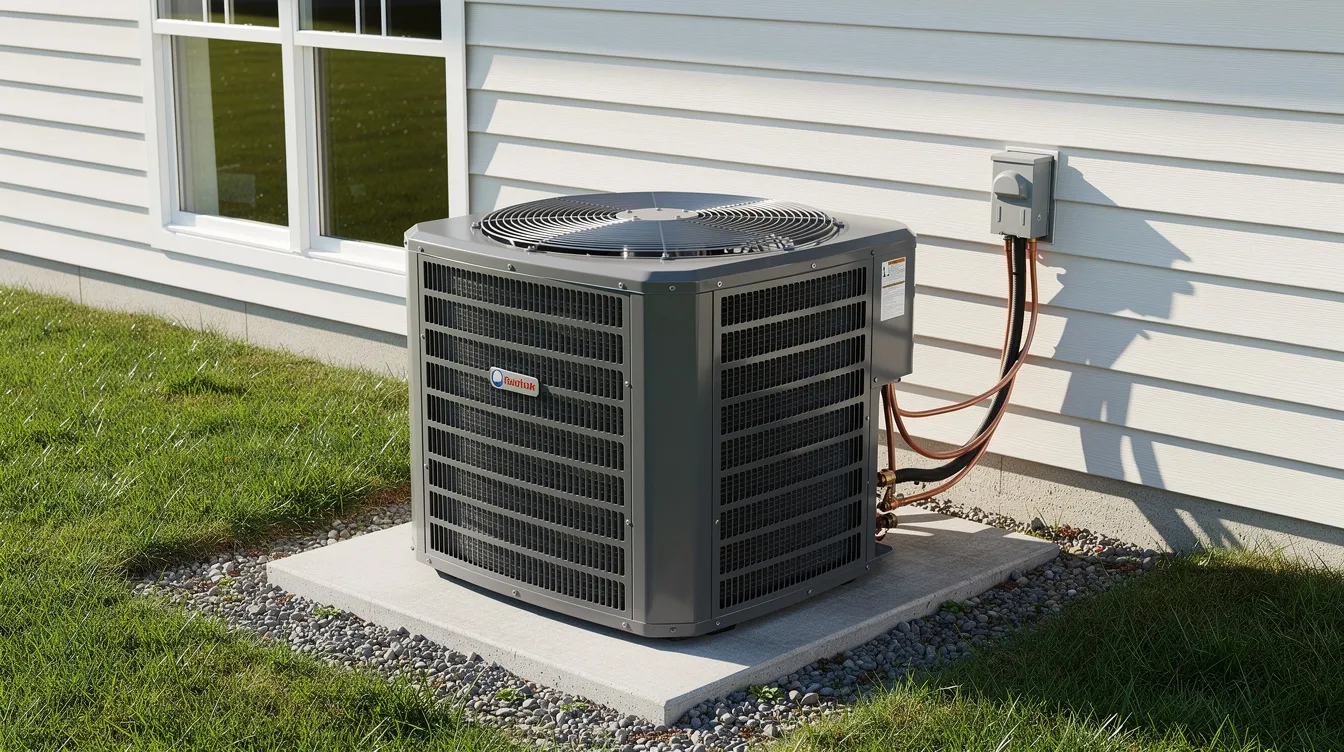
Most Efficient Trane AC: 20 SEER2+ Variable-Speed Models (TruComfort™)
Trane’s flagship variable-speed air conditioners represent the pinnacle of residential cooling technology. These systems are engineered for homeowners in hot climates or areas with high electricity rates where maximum efficiency translates to meaningful savings.
Flagship Model: Trane 20 TruComfort™ Variable Speed with WeatherGuard™
This central air conditioner achieves up to 23.6 SEER2—among the highest efficiency ratings available in residential equipment. Rather than cycling on and off like traditional systems, TruComfort technology modulates compressor speed across 700+ increments to match your home’s exact cooling demand.
What this means in practice:
- Temperature stays within ±0.5°F instead of the ±2-3°F swings common with single-stage units
- Enhanced dehumidification in humid climates (homeowners in Florida and similar states report 10-20% improvement)
- Dramatically quiet operation—often inaudible from 20 feet away
- Electric bill reductions of 15-20% compared to pre-2006 10 SEER equipment
The system earns ENERGY STAR® certification, signaling efficiency at least 20-30% above federal minimums and eligibility for utility rebates in many regions.
2024 Installed Pricing
For a typical 3-ton new system (outdoor condenser, indoor evaporator coil, air handler, and installation labor), such as an 18 SEER2 two-stage Trane communicating system with gas furnace, expect, with region-specific variations similar to those outlined in this 2026 guide to Trane air conditioning prices and installed system deals in DFW:
$11,000–$16,000 depending on region, electrical upgrades, ductwork modifications, and zoning requirements.
Best for: Long-term homeowners, hot/humid climates, households with high AC usage, anyone prioritizing quiet operation and precise comfort control.
Trade-offs: Higher upfront cost, requires compatible communicating thermostat, and benefits most from high-quality installation by experienced contractors.
Most Versatile: Mid-Tier Multi-Speed Units (e.g., Trane 17 SEER2 Class)
Not everyone needs—or wants to pay for—top-tier variable-speed technology. Trane’s mid-tier multi-speed systems balance performance and price, delivering noticeable comfort improvements over basic models without the premium investment.
Example Model: Trane 17 Multi-Speed with WeatherGuard™
This unit features a multi-speed compressor operating across up to six distinct speeds, achieving approximately 17.1 SEER2. The ComfortSeek™ control technology automatically adjusts compressor speed based on outdoor temperature and indoor demand—no manual intervention required.
Key advantages:
- Compatible with a wider range of existing furnace setups and two-stage thermostats
- Simpler installation than fully communicating systems
- Quieter runtime than single-stage units
- Fewer hot/cold spots throughout your house
User reviews consistently note a meaningful comfort upgrade versus older single-stage equipment, with more even cooling and reduced noise.
2024 Installed Pricing
For a 3-ton setup including indoor coil/furnace interface and labor, including 15.2 SEER2 single-stage Trane electric systems with multi-speed air handlers:
$8,500–$13,000 with significant variation by region and contractor.
Multi-Speed vs Variable-Speed: Quick Comparison
| Factor | Multi-Speed (17 SEER2) | Variable-Speed (23+ SEER2) |
|---|---|---|
| Efficiency | Good | Excellent |
| Comfort precision | Improved | Best available |
| Humidity control | Better than single-stage | Optimal |
| Upfront cost | Moderate | Premium |
| Installation complexity | Standard | Requires communicating system |
| Best for | Most homeowners | High-usage, hot climates |
Best Value: Entry-Level Trane Units (e.g., Trane 14 SEER2 Single-Stage)
For homeowners prioritizing upfront affordability while still wanting a quality product from a reputable brand, Trane’s entry-level single-stage units deliver reliable cooling without premium pricing.
Representative Model: Trane 14 Single-Stage Air Conditioner
This unit operates at approximately 14.3 SEER2—meeting or slightly exceeding current U.S. minimum efficiency standards, similar in efficiency class to Trane 14.3 SEER2 single-stage condensers like the 5TTR4060A1000. The single-stage compressor design runs either 100% on or completely off, which is less efficient than multi-speed alternatives but reduces equipment complexity and cost.
Who this suits best:
- Smaller homes (under 2,000 sq ft)
- Milder climates with shorter cooling seasons
- Rental properties where premium features go unnoticed
- Homeowners planning to move within 5-10 years
Typical feedback indicates solid cooling performance and meaningful efficiency improvements versus pre-2006 10 SEER relics—often 20-30% lower operating costs if ductwork is properly sealed. However, expect more noticeable temperature swings and slightly louder operation compared to Trane’s higher tiers.
2024 Installed Pricing
For a 3-ton single-stage trane system:
$6,500–$10,000 depending on ductwork condition, electrical upgrades, and regional labor rates.
Energy Savings Caveat
Actual savings depend on multiple factors:
- Efficiency of your old system (replacing a 10 SEER vs 13 SEER yields different results)
- Local climate and annual cooling hours
- Thermostat settings and usage patterns
- Duct sealing and insulation quality
- Maintenance consistency
A new 14.3 SEER2 unit won’t magically cut bills in half if your ducts leak 30% of conditioned air.
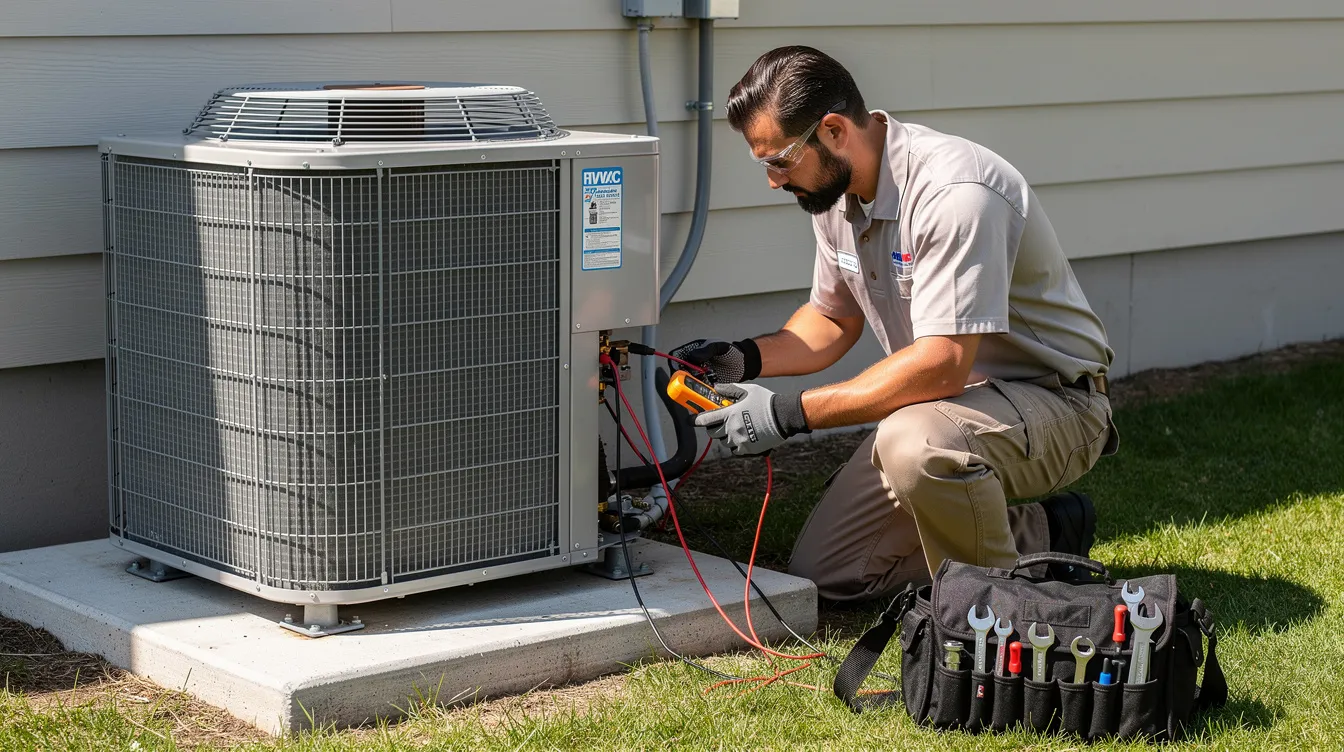
Real-World Reviews: What Homeowners & Technicians Say
Moving beyond marketing claims, here’s what actual customers and service professionals report about Trane equipment based on patterns across reviews, forums, and technician experience.
Homeowner Positives
Consistent themes in positive trane air conditioning units reviews include:
- Quiet operation: Variable and multi-speed units are frequently described as “whisper quiet” or “barely noticeable”
- Humidity control: Homeowners in humid states report significantly less “muggy” indoor air
- Reliability: Fewer breakdowns in the first 5-7 years compared to budget alternatives
- Bill reductions: 10-20% lower electric bills versus older systems (verified in regions with high summer cooling demand)
One service provider noted that in harsh desert climates like Las Vegas, properly maintained Trane units commonly run strong for 18+ years with just annual tune-ups.
Common Complaints
Negative patterns focus on:
- Parts cost: OEM replacement parts command 15-25% premiums
- Service delays: Peak season can mean 2-3 week waits for specific components
- Warranty gaps: Parts coverage doesn’t include labor ($150-275 per service call) or refrigerant
- Thermostat issues: Some XL850 communicating thermostat users report repeated failures
One BBB complaint detailed seven thermostat replacements in three years—parts covered, but $275 labor each time added up.
Technician Perspective
HVAC professionals consistently note:
- Trane compressors and coils are among the most durable in the industry
- Units regularly last 15-18+ years with biannual filter changes and annual professional inspections
- 30-40% of service calls trace to installation errors, not equipment failure—improper Manual J load calculations, incorrect refrigerant charge, or poor ductwork
- All-aluminum Spine Fin coils resist formicary corrosion better than copper alternatives
Contrasting examples:
A homeowner in Arizona reported 15 years of ownership with zero major repairs beyond routine maintenance. Meanwhile, a Minnesota customer experienced control board failures leaving their family without heating, with Trane customer support described as “unresponsive” despite dozens of emails.
The takeaway? Trane builds quality equipment, but service ecosystems and installation quality vary dramatically by region and dealer.
Price, Warranty, and Value Compared to Other Brands
Trane positions itself in the premium or upper-mid tier of the HVAC industry—expect to pay more upfront than entry-level manufacturers, but often comparable to Carrier and Lennox.
2024 Price Positioning
Typical pricing patterns:
| System Type | Trane (3-ton installed) | Budget Brands (Goodman/Payne) | Premium Competitors (Carrier/Lennox) |
|---|---|---|---|
| Single-stage | $6,500–$10,000 | $4,500–$7,500 | $6,000–$10,000 |
| Multi-speed | $8,500–$13,000 | $6,500–$10,000 | $8,000–$13,000 |
| Variable-speed | $11,000–$16,000 | $8,000–$12,000 | $10,000–$16,000 |
| Trane typically runs 20-40% higher than budget brands, reflecting denser cabinets, superior vibration isolation, and proven compressor longevity. |
Warranty Basics
- Standard: 10-12 year limited parts warranty on registered residential equipment
- Compressor: Specific coverage often extending beyond base parts
- Labor: Not included unless contractor sells extended labor warranty ($1,000-2,000 for 10 years)
- Refrigerant: Not covered under standard warranty
Trane Comfort Specialist dealers sometimes offer unit replacement warranties on top-tier systems—ask specifically about this option.
Long-Term Value Assessment
Over 15-20 year lifespans, Trane’s total ownership cost often equals or beats cheaper alternatives that require replacement or major repair sooner. Industry data suggests approximately 1.2 service calls per year for premium brands versus 2.1 for budget equipment.
When Trane is worth the price:
- Planning to stay in your home 10+ years
- Local electricity rates above $0.16/kWh (national average)
- Severe climate requiring heavy cooling or heating loads
- Access to a trusted Trane-certified installer
- Prioritizing quiet operation and consistent comfort
When it might not be:
- Short-term homeownership
- Extremely tight budget better served by functional basics
- No reputable local Trane dealer available
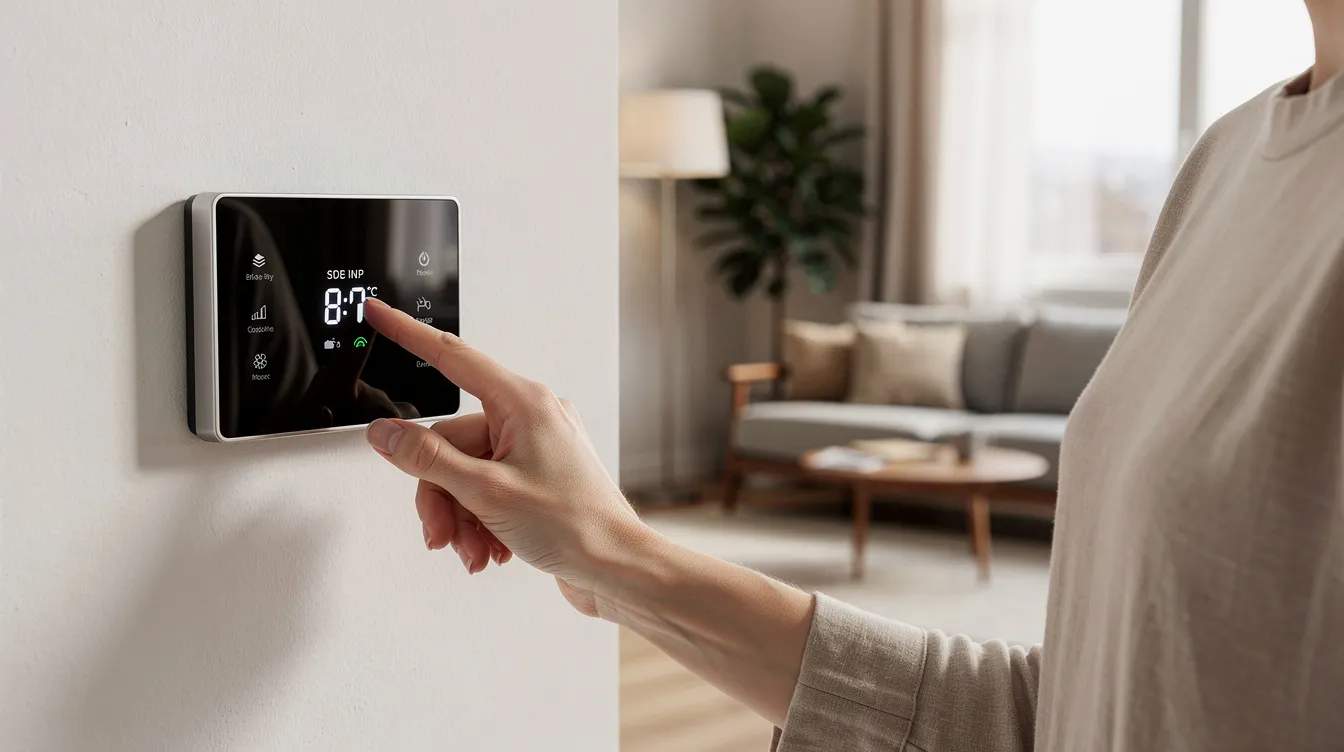
How to Choose the Right Trane AC Unit for Your Home
The “best” Trane model isn’t the most expensive one—it’s the one properly matched to your home’s size, climate, existing ductwork, and budget.
5-Step Decision Process
- Assess your current system: Note age, efficiency rating, and recurring issues
- Set budget and payback horizon: How many years until efficiency savings offset higher upfront cost?
- Decide comfort priority: Basic cooling vs premium comfort features
- Get multiple quotes: Minimum three from different contractors
- Evaluate installers, not just equipment: Company reputation matters more than model differences
Critical: Proper Sizing
Manual J (or equivalent) load calculations should drive your capacity selection—roughly 1 ton per 400-600 sq ft adjusted for insulation, windows, and climate. Oversizing by even 0.5 ton can:
- Increase energy consumption 15%+
- Cause short-cycling (frequent on/off)
- Leave humidity problems despite cold air output
Many negative reviews stem from oversized systems installed by contractors who “round up” instead of calculating properly.
Ductwork Matters
Studies show 70% of U.S. homes have duct systems losing 20-30% of conditioned air. Before installing any new trane system:
- Request duct inspection from contractors
- Budget $1-2/sq ft for sealing if needed
- Address airflow restrictions that could undermine performance
Questions to Ask Contractors
- Which Trane tier (14, 17, 20+ SEER2) do you recommend for my home, and why?
- How did you calculate the sizing recommendation?
- What labor warranty do you provide beyond Trane’s parts coverage?
- Are you a Trane Comfort Specialist dealer?
- Can you provide references from similar installations?
A business owner running an HVAC company with 4.5+ stars and 100+ reviews is generally safer than chasing the lowest price from an unknown contractor.
Conclusion: Who Should Buy a Trane AC (and Who Might Not Need To)
After examining real-world reviews, technician insights, and competitive positioning, Trane earns its reputation as a quality product with strong long-term value. The equipment excels in reliability, comfort, and efficiency—particularly the variable-speed and multi-speed models—but commands premium pricing that isn’t justified for every situation.
Trane makes the most sense for:
- Homeowners planning to stay 10-20 years
- Hot, humid climates requiring heavy cooling loads
- Anyone prioritizing quiet operation and precise temperature control
- Buyers with access to reputable local Trane-certified dealers
Consider alternatives if:
- You’re selling within 5 years and won’t recoup the premium
- You’re in a mild climate with minimal AC usage
- Budget constraints make a basic, code-minimum system more practical
- No well-reviewed Trane installers operate in your area
Use this article as a checklist when meeting with HVAC contractors. Compare at least two or three quotes for similar Trane models so you can evaluate both pricing and installer quality. Remember that years ago, brand choice was the primary decision—today, installation quality and ongoing maintenance shape the real-world experience reflected in homeowner reviews just as much as the equipment itself.
A properly sized and installed Trane system can serve your household reliably for 15-20 years. Just don’t expect the brand name alone to guarantee satisfaction—your installer, duct condition, and maintenance habits complete the equation.
- Perfect for smaller homes
- Energy-efficient cooling
- Complete installation included
- Balanced performance & efficiency
- Handles Texas heat
- Most popular system size
- High-capacity cooling
- Perfect for large homes
- Maximum comfort & airflow
