





Need Help With AC Maintenance?
If your system needs a deeper cleaning or inspection, scheduling a professional maintenance visit can help prevent future issues.
Schedule MaintenanceIf you’ve ever wondered what happens during a professional tune-up or whether those maintenance visits are worth the cost, you’re asking the right question. Understanding what goes into proper maintenance helps you protect your investment and avoid surprise breakdowns during the hottest or coldest days of the year.
Quick Answer: What HVAC Maintenance Includes
Standard hvac maintenance includes inspection, cleaning, testing, and adjustment of your air conditioner, furnace, and heat pump components. A certified hvac technician will examine both indoor and outdoor units to ensure your system is functioning properly.
Here’s what hvac maintenance tasks typically cover: air filter inspection and replacement, condenser coils and evaporator coils cleaning, inspecting electrical connections and testing electrical components, refrigerant level checks for refrigerant leaks, airflow testing to ensure proper airflow, thermostat calibration for accurate temperature control, and safety controls verification.
Recommended frequency: Most hvac service companies recommend maintenance twice per year—spring for your cooling system and fall for heating equipment. This schedule applies to most residential systems installed after 2010.
Concrete benefits: Proper maintenance can deliver up to 10-15% lower energy costs, fewer breakdowns, improved indoor air quality, and longer equipment life. Many homeowners gain 2-5 extra years from their hvac equipment with consistent care.
Why HVAC Maintenance Matters
Modern hvac systems built after 2005 are more efficient than their predecessors, but they’re also more sensitive to dirt accumulation, incorrect refrigerant charge, and ignored safety issues. A thin layer of grime that wouldn’t have affected older units can significantly impact today’s high-efficiency equipment.
Here’s why regular hvac maintenance should be on your calendar:
- Energy efficiency: Dirty coils and clogged filters force your system to work harder, which can increase energy costs by 10-20% annually
- Reliability: Routine inspections catch small problems before they become costly repairs
- Safety: Gas furnaces require inspection for carbon monoxide risks and proper combustion
- Indoor air quality: Clean filters and coils mean cleaner air circulating through your home
- Warranty protection: Most manufacturers require annual hvac maintenance to keep warranties valid
Consider this real-world example: A 3-ton air conditioner in a 2,000 sq. ft. home in a hot climate uses 10-15% more electricity each summer if coils and air filters aren’t maintained. Over a 15-year system life, that’s thousands of dollars in higher energy bills.
The alternative isn’t cheap either. Average hvac system replacement costs for homeowners in the U.S. range between $7,500 and $15,000 as of 2026, making preventative maintenance a smart investment.
Types of HVAC Maintenance: Preventive vs. Corrective vs. Seasonal
Understanding the three main categories of maintenance helps you know what to expect and when to schedule maintenance visits.
Preventive HVAC Maintenance is scheduled service, typically every 6 months, aimed at catching issues before they cause failures. Many hvac maintenance services include both spring and fall visits as part of a maintenance plan. This approach keeps your system running efficiently and helps reduce repair costs over time.
Corrective HVAC Maintenance is reactive work performed when problems surface during inspections or when your system shows symptoms. Examples include:
- No cooling or heating output
- Strange sounds from the hvac unit
- Tripped breakers or blown fuses
- Carbon monoxide detectors alarming
Seasonal HVAC Maintenance targets specific system components based on the upcoming season:
- Spring visits focus on air conditioning systems and heat pumps—condenser cleaning, refrigerant checks, and cooling efficiency testing
- Fall visits focus on heating components—burners, heat exchanger inspection, flue condition, and ignition system verification
Many hvac companies in the U.S. bundle these into maintenance agreements that spread costs across monthly payments and include priority service when you need repairs.
What Does a Full HVAC Service Visit Include?
A comprehensive inspection during a typical annual or semi-annual maintenance visit covers inspection, cleaning, testing, and adjustment of both the indoor unit and outdoor units. Technicians document findings and provide recommendations for any needed repairs.
Here are the high-level task groups that apply to most systems:
- Filter service and air filter inspection
- Coil cleaning (both evaporator and condenser)
- Electrical inspection and system components check
- Refrigerant level verification
- Airflow and duct assessment for ensuring proper airflow
- Thermostat and controls testing for system calibration
- Moving parts lubrication
- Condensate drain inspection
- Safety checks for gas and oil heating systems
- Overall performance testing to ensure optimal performance
The exact checklist varies between air conditioning units, heat pumps, and furnaces. Let’s break down what happens in each phase.
Key Inspection Tasks
Technicians visually inspect indoor and outdoor units looking for specific warning signs. They check for corrosion on coils, loose access panels, oil stains near refrigerant lines (indicating potential leaks), burned wiring insulation, and rust on the heat exchanger.
A thorough inspection includes:
- Verifying model and serial numbers and system age
- Comparing observed wear to expected condition for equipment age (units older than 12-15 years warrant closer scrutiny)
- Checking service disconnects and breaker connections
- Examining insulation on suction lines for cracks or deterioration
- Looking for rust at coil pans and drain areas
This comprehensive inspection establishes a baseline and identifies developing problems before they cause system failure.
Cleaning and Adjusting Components
Cleaning tasks common to all systems include washing condenser coils, brushing or rinsing evaporator coils, vacuuming blower compartments, and wiping electrical compartments where safe to access.
For outdoor units, technicians typically clean condensers from the inside out using low-pressure water and appropriate coil cleaner. Bent fins get straightened with a fin comb to maintain airflow through the coil surface.
Adjustment tasks include:
- Tightening electrical connections that may have loosened from vibration
- Adjusting blower speed settings if airflow measurements indicate problems
- Calibrating thermostats that aren’t providing accurate temperature control
- Ensuring efficient airflow throughout the system
These adjustments help maintain system efficiency and prevent the gradual performance decline that leads to higher utility bills.
Testing, Calibration, and Safety Checks
Technicians use meters and gauges to test voltage, amperage draw, capacitor condition, refrigerant pressures, and temperature split across coils. For cooling systems, they check supply and return temperature differences—a typical residential system should show a 16-22°F delta-T during cooling operation.
Gas furnace testing includes:
- Verifying proper ignition system sequence
- Checking flame stability and color
- Testing draft conditions
- Confirming rollout switches and high-limit safety controls function correctly
Carbon monoxide testing should be performed on all combustion appliances. If elevated CO levels are detected, the hvac technician will shut down the system and recommend immediate repair before continued operation.
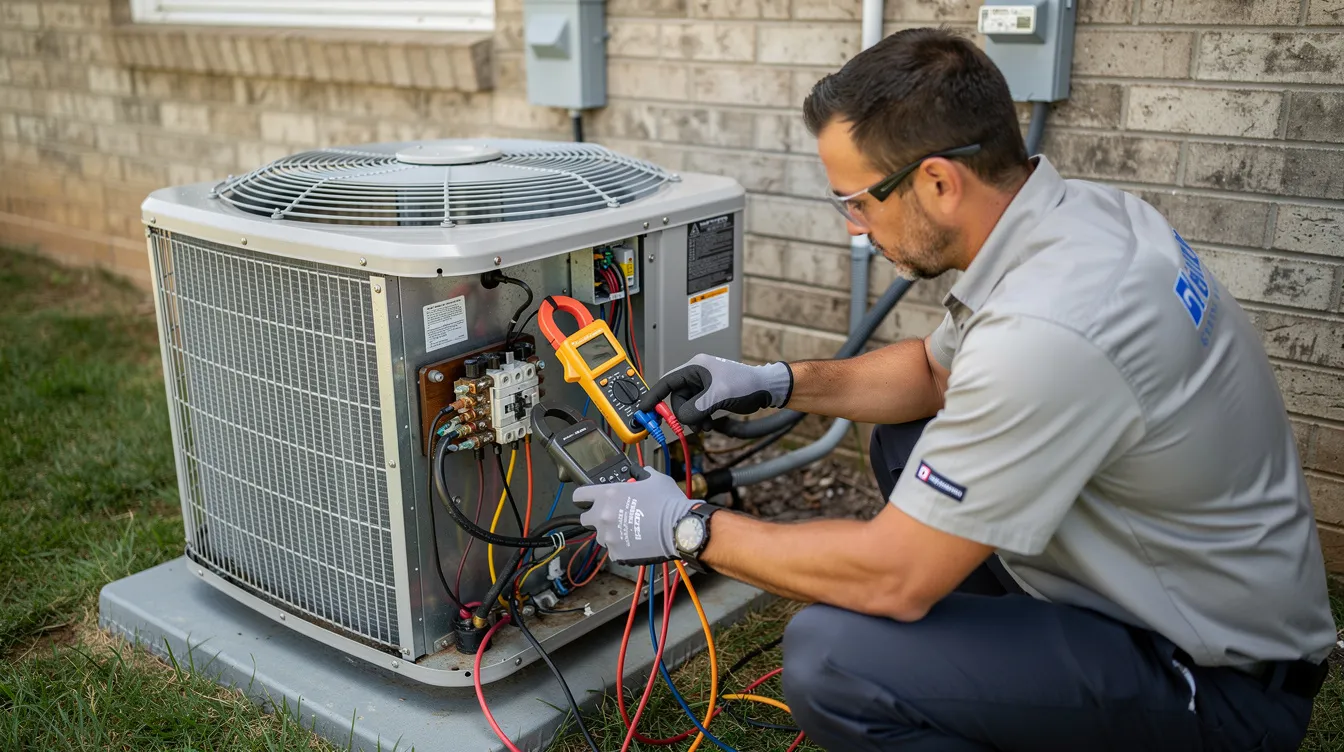
What Does AC & Condenser Maintenance Include?
Central air conditioners and air-source heat pumps share similar outdoor condenser maintenance needs. This section focuses on the outdoor unit that rejects heat from your home and the components that support cooling efficiency.
Main areas of focus include:
- Outdoor condenser unit (coils, fan, compressor)
- Indoor evaporator coil
- Blower motor and assembly
- Refrigerant circuit integrity
- Condensate drainage system
- Controls and safety devices
Most manufacturers recommend professional AC maintenance at least once per year. In dusty, coastal, or high-pollen environments, inspection every 6 months keeps your system operating efficiently and prevents premature wear.
Why Condenser Maintenance Matters
The condenser is your outdoor unit responsible for rejecting heat absorbed from inside your home. When condenser coils become dirty or blocked by debris, operating pressures and temperatures rise significantly. Dirty coils can increase energy consumption by up to 15%.
Neglected condensers lead to concrete problems:
- Higher summer electric bills from reduced cooling efficiency
- Frequent breaker trips as the system draws excessive power
- Warm air coming from vents during cooling mode
- Eventual compressor failure, typically costing $2,000-$3,500 to replace
Real-world environmental factors create predictable challenges. Cottonwood fluff clogs fins in late spring. Grass clippings accumulate after mowing. Urban dust settles on coils year-round. Pet owners face additional issues—dog urine can cause fin corrosion, and heavy shedding contributes to debris buildup.
Regular condenser maintenance protects the single most expensive component in your cooling system: the compressor, and a solid understanding of your air conditioner condenser as a homeowner helps you spot problems before they cause major damage.
How Often to Clean Your AC Condenser
Here’s clear guidance for condenser maintenance frequency:
- Monthly: Visually inspect the condenser during cooling season for visible debris
- Annually: Perform thorough cleaning, ideally in early spring (March-May depending on your region)
- Every 1-2 months: Light cleaning for homes near trees, farms, industrial areas, or with heavy-shedding pets
Professional deep cleaning of the condenser is typically bundled into an annual or semi-annual maintenance visit as part of a standard hvac maintenance package.
Comparison example: A suburban home in a mild climate with minimal trees can often maintain annually with good results. A coastal property or home in a dusty agricultural region typically requires cleaning twice per cooling season to maintain peak performance.
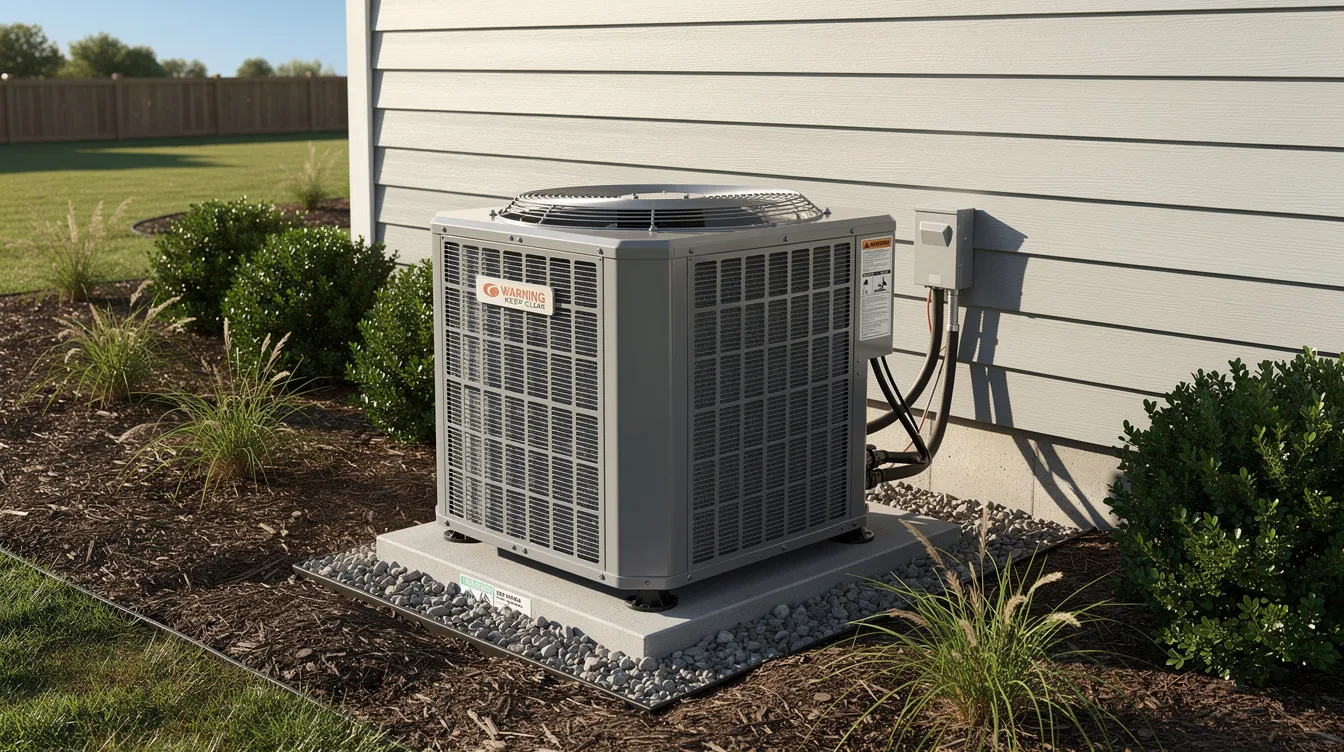
Step-by-Step Condenser Cleaning Guide (Homeowner-Safe Version)
Here’s a safe DIY cleaning process for basic condenser maintenance:
- Power down completely: Turn off the system at both the disconnect switch near the outdoor unit and the circuit breaker inside your home
- Wait 30 minutes: This allows refrigerant pressures to equalize—restarting too quickly can damage compressors
- Clear debris: Remove leaves, twigs, and grass clippings from the top and sides using gloved hands or a soft brush
- Maintain clearance: Keep at least 2 feet clear on all sides of the unit
- Rinse coils: Use a garden hose on low to medium pressure, spraying from inside out if access panels can be safely removed
- Clean the base: Remove any accumulated dirt or mulch from around the unit’s foundation
- Restore power: Turn on the breaker first, then the disconnect switch
Important limitations: DIY cleaning should never involve opening refrigerant circuits, removing fan assemblies without proper support, or using harsh chemicals. Leave those tasks to an hvac professional.
What NOT to Do When Cleaning or Maintaining a Condenser
These specific actions can cause serious damage or safety risks:
- Never use a pressure washer on coils—high pressure bends and crushes delicate aluminum fins
- Don’t bend or crush fins with improvised tools like knives or screwdrivers
- Avoid strong acids or oven cleaners—use only coil cleaners specifically formulated for HVAC equipment
- Don’t restart immediately after a hard power cut—short-cycling damages scroll-type compressors
- Never remove service panels that expose electrical compartments or contactors unless you’re qualified
- Don’t add refrigerant top-offs or use sealants without proper gauges and EPA Section 608 certification—it’s unsafe and often illegal under the Clean Air Act
Signs Your Condenser Needs Professional Service
Contact an hvac service provider immediately if you notice:
Audible symptoms:
- Loud buzzing or grinding from the outdoor unit
- Condenser fan not spinning while the compressor hums inside
Visual signs:
- Oil stains on copper refrigerant lines (indicates refrigerant leaks)
- Ice formation on refrigerant lines during normal operation
- Bulging or leaking capacitors
- Severely bent fins or corrosion from salt or pet damage
Performance issues:
- Condenser running much longer than usual to maintain 72°F indoors on an 85°F day
- Hot air from supply vents during cooling mode or air conditioner problems like an AC that won’t turn on, won’t cool, or blows warm air
- Frequent breaker trips when the outdoor unit is running
- Short-cycling (on/off every 2-3 minutes)
Any burnt electrical smell or visible smoke warrants immediate disconnection and professional evaluation.
Maintenance Tips to Extend AC System Life
Long-term habits that protect your cooling system:
| Practice | Benefit |
|---|---|
| Maintain 2-3 foot clearance around condenser | Ensures efficient airflow and prevents debris buildup |
| Keep shrubs trimmed below unit height | Prevents branch damage and airflow restriction |
| Replace indoor air filters regularly | Supports evaporator coil efficiency and airflow |
| Schedule annual professional maintenance | Catches problems early, maintains warranty |
| Use breathable winter covers in cold climates | Prevents moisture trapping that causes corrosion |
| Keep a maintenance log | Helps diagnose recurring issues and track system age |
| Consistent care can extend the life of many residential AC systems from approximately 10 years closer to 15 years or more, depending on climate and usage intensity. |
What Does Furnace & Heating Maintenance Include?
Heating maintenance focuses heavily on safety in addition to performance—particularly for gas furnaces where carbon monoxide risks and gas leaks present real dangers. An hvac preventative maintenance visit for your heating system includes several critical safety checks alongside performance testing.
Key heating maintenance tasks include:
- Heat exchanger inspection: Checking for cracks or corrosion that could allow carbon monoxide into your living space
- Burner cleaning and adjustment: Ensuring proper flame color and stability
- Ignition system testing: Verifying reliable startup sequences
- Flue and venting inspection: Confirming proper draft and exhaust
- Safety controls verification: Testing limit switches, rollout switches, and gas valves
- Carbon monoxide testing: Measuring CO levels in the flue and living spaces
- Blower and motor inspection: Checking for wear and proper operation
For heat pump maintenance, fall visits verify the system’s heating mode operation, defrost cycle function, and supplemental heat staging.
Regular maintenance of heating equipment isn’t optional—it’s essential for protecting your family from carbon monoxide exposure and ensuring reliable heat when temperatures drop.
Key Takeaways
Understanding what hvac maintenance include helps you make informed decisions about protecting your home comfort systems. Standard hvac maintenance covers inspection, cleaning, testing, and adjustment of all major components—from condenser coils and air filters to electrical connections and safety controls.
Schedule your maintenance visits before peak season demand. Spring tune-ups prepare your cooling system for summer heat, while fall visits ensure your heating equipment is ready for cold weather. This hvac maintenance plan approach keeps your system running efficiently, reduces the risk of emergency breakdowns, and helps you avoid the full cost of premature system replacement.
Start with a simple task this week: check your air filter and inspect the area around your outdoor unit for debris. Then book your next professional maintenance visit to ensure your hvac system delivers reliable comfort all year long.
Not Sure What’s Wrong With Your AC?
Get clear answers and the right solution based on your system and home.
Check Availability