





What Size AC Unit Do You Need in Dallas, TX?
Get the right size air conditioner for your home — not too big, not too small. At HVAC Services Pro, we use professional load calculations and advanced system preparation to ensure maximum comfort, efficiency, and long-term performance.
Most Texas- and DFW-area homes don’t need the biggest AC on the market. They need the right size air conditioner for their specific building. Getting this decision wrong affects everything—comfort on those brutal 95°F afternoons, humidity control during Texas’s sticky summers, monthly energy bills, and how long your system lasts before needing replacement.
At HVAC Services Pro, we serve homeowners and businesses across Texas and surrounding cities. We use professional manual j load calculation methods rather than rough guesses to determine exactly what size ac unit your property requires. This approach protects your investment and ensures your air conditioning system performs at maximum efficiency.
Quick ballpark estimates by home size:
- 1,200 sq ft → approximately 2 tons
- 1,800 sq ft → approximately 2.5–3 tons
- 2,400 sq ft → approximately 4 tons
Ready for precise sizing? Schedule an Appointment for professional sizing and installation backed by our 5-year labor warranty.
Why AC Unit Size Matters for Your Home
In Texas’s hot, humid climate zone, your ac system runs heavily from May through September. Correct hvac sizing is critical—not optional.
Proper sizing delivers:
- Consistent cool air throughout every room
- Lower energy bills from efficient operation
- Protected compressor and blower motor longevity
- Healthy indoor humidity (40–60% range)
- Maintained manufacturer warranty coverage
Both oversized and undersized units can void warranty provisions if they cause abnormal wear. In Texas’s climate, improper sizing can easily add hundreds of dollars per year in wasted electricity through higher energy costs.
AC Unit Too Small
An undersized unit lacks enough cooling capacity in british thermal units or tons to manage peak heat loads on 95–100°F days.
Common symptoms include:
- AC runs almost nonstop without reaching thermostat setting
- Late afternoon temperatures climb despite continuous operation
- Some rooms never cool properly
- Humidity stays sticky and uncomfortable
Constant runtime increases energy consumption, accelerates wear on the blower motor and compressor, and triggers more frequent repair calls. Undersized systems commonly appear when homeowners add rooms, sunrooms, or enclosed garages without upgrading the existing hvac system.
AC Unit Too Large
An oversized system blasts cold air quickly, satisfies the thermostat, then shuts off—creating short cycling and poor humidity control.
Symptoms of oversized equipment:
- Quick temperature drops followed by warm swings
- Clammy or “cold and sticky” feeling despite cool temperatures
- Noisy on/off cycling throughout the day
- Higher humidity that encourages mold growth
Short cycling stresses compressors and often causes early failure. Counterintuitively, these systems produce higher energy bills despite having more cooling power and can lead to common air conditioner problems like poor cooling and frequent breakdowns. Additionally, larger equipment often requires corresponding ductwork upgrades—simply upsizing on old ducts creates air flow problems and uneven cooling.
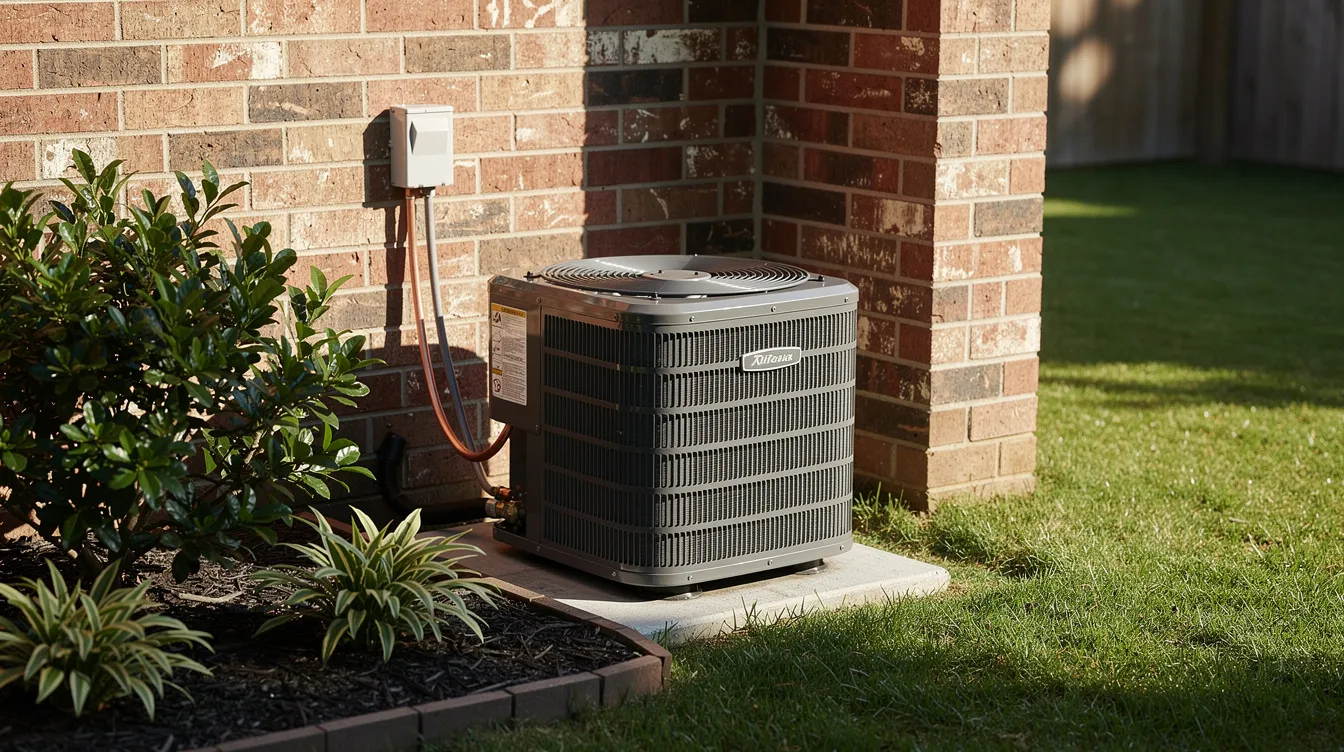
Quick Way to Estimate What Size Air Conditioner You Need
This square feet method provides ballpark guidance only. Any final decision should be confirmed with a professional load calculation by a trained hvac professional, especially since system tonnage directly affects total HVAC installation costs for DFW homeowners.
The common rule of thumb: approximately 20 BTUh per square foot for typical existing homes in Texas. Convert to tons by dividing total BTUh by 12,000 (since 1 ton ac unit equals 12,000 BTUh).
Concrete examples for common home sizes:
| Home Size | Estimated BTUh | Approximate Tonnage |
|---|---|---|
| 1,200 sq ft | 24,000 BTUh | 2 tons |
| 1,600 sq ft | 32,000 BTUh | 2.5–3 tons |
| 2,000 sq ft | 40,000 BTUh | 3–3.5 tons |
| 2,400 sq ft | 48,000 BTUh | 4 tons |
| Newer, well-insulated homes might need slightly less capacity (closer to 15–18 BTUh per square foot). Older, leaky homes or those with extensive west-facing glass may need more. | ||
| Want to verify your estimate? Contact HVAC Services Pro for a professional manual j calculation before purchasing equipment. |
How Air Conditioners Are Rated: Tons, BTUh, and SEER2
Two air conditioners with identical tonnage can perform very differently depending on their efficiency ratings and design. Understanding both cooling output and energy efficiency ratio helps you make informed decisions.
Most residential systems we install in the Texas area range from 1.5 to 5 tons in 0.5-ton increments, including 1.5-ton 14.3 SEER2 Trane condensers for smaller homes. We work with top brands like Trane and RunTru, offering SEER2 ratings from 14 to 20+ depending on model selection.
Cooling Capacity: BTUh and Tons
Cooling capacity measures how much heat the AC removes per hour. This is expressed in BTUh (british thermal units per hour) or tons.
- 1 ton = 12,000 BTUh
- Residential central systems: 1.5, 2.0, 2.5, 3.0, 3.5, 4.0, 4.5, or 5.0 tons
- Larger requirements typically need multiple systems or light commercial equipment
Note that BTU alone (without the “h”) measures heat energy only. BTUh includes the time component—the actual measurement that matters for hvac sizing. The right tonnage depends on how many square feet you have, plus climate, insulation, windows, ceiling height, and duct design.
SEER2 and Energy Efficiency
SEER2 (seasonal energy efficiency ratio version 2) measures total cooling output over an average cooling season divided by total electricity consumed. The U.S. Department of Energy adopted this updated test in 2023.
Key SEER2 facts:
- Southern minimum standards increased in 2023 (many systems must be at least 14.3 SEER2)
- Higher SEER2 units significantly reduce summer utility bills
- Two 3-ton units both cool the same home, but higher-SEER2 models use less electricity
- Many high-SEER2 systems use variable-speed compressors for better humidity control
Texas homeowners may qualify for utility rebates when choosing energy efficient models, and Trane air conditioner pricing guides for DFW can help you understand how efficiency and sizing impact total installed cost. HVAC Services Pro can explain current local incentive offers.
Factors That Affect What Size AC Unit You Need
Square footage is only the starting point. A professional hvac contractor performs manual j calculation that includes many details about your specific home or business.
Key factors include:
- Total square footage and layout
- Number of stories
- Ceiling height
- Insulation levels and R-values
- Window area, type, and direction
- Air leakage rates
- Local climate and sun exposure
- Internal heat gains from occupants and equipment
Two Texas homes with identical square footage can require different tonnage depending on construction quality. Commercial buildings, restaurants, and offices have much higher internal cooling loads from people and heat generating appliances.
Home Size, Layout, and Ceiling Height
Larger homes and open floor plans require more system capacity. However, actual load depends on how rooms connect and whether heat can migrate freely between spaces.
Multi-story homes often need careful zoning because upper floors gain more heat. High or vaulted ceilings increase air volume that must be conditioned, raising required BTUh beyond what a simple square foot calculation suggests.
HVAC Services Pro often recommends zoning or multiple systems for large two-story homes in the Texas area to improve comfort and temperature balance.
Insulation, Windows, and Sun Exposure
Poor insulation, single-pane windows, and unshaded west-facing glass dramatically increase cooling loads in Texas’s sun and humidity.
Homes built before roughly 2000 often have less attic insulation than current code requires. Adding shade through awnings, Low-E windows, or reflective roofing can sometimes reduce the tonnage needed.
Manual J calculations account for window type, orientation, shading factors, and insulation R-values to determine actual load requirements accurately.
Occupants, Appliances, and Ductwork
Each person in your home adds heat and humidity. Large families and crowded offices need more cooling power than single-occupant homes of the same size.
Kitchens, laundry rooms, server rooms, and restaurant equipment create significant extra heat that must factor into sizing calculations. Beyond internal loads, duct design and condition play major roles—undersized or leaky ducts can starve a properly sized system, causing hot rooms and inefficiency.
HVAC Services Pro can inspect existing ductwork and recommend resizing or air duct cleaning as part of our full-service residential and commercial HVAC solutions to ensure your new AC or heat pump performs as designed.
Types of AC Systems and How That Affects Sizing
Central split systems, ductless systems, and packaged units are sized differently in practice, even though they share the same cooling principles.
HVAC Services Pro installs and services split systems, heat pumps, and packaged air conditioner units from top brands like Trane and RunTru for both homes and businesses. The best type depends on existing ductwork, space constraints, and whether zoning is involved.
Split-System Central Air Conditioners and Heat Pumps
Split systems feature an outdoor unit (condenser) connected to an indoor air handler or evaporator coil through refrigerant lines, with distribution through ductwork.
They’re the most common option for Texas-area homes and small businesses with existing ducts. Sizing involves matching both the outdoor condenser and indoor coil for proper capacity and SEER2 performance.
Heat pump systems used for both cooling and heating require sizing based on combined yearly energy load for both seasons.
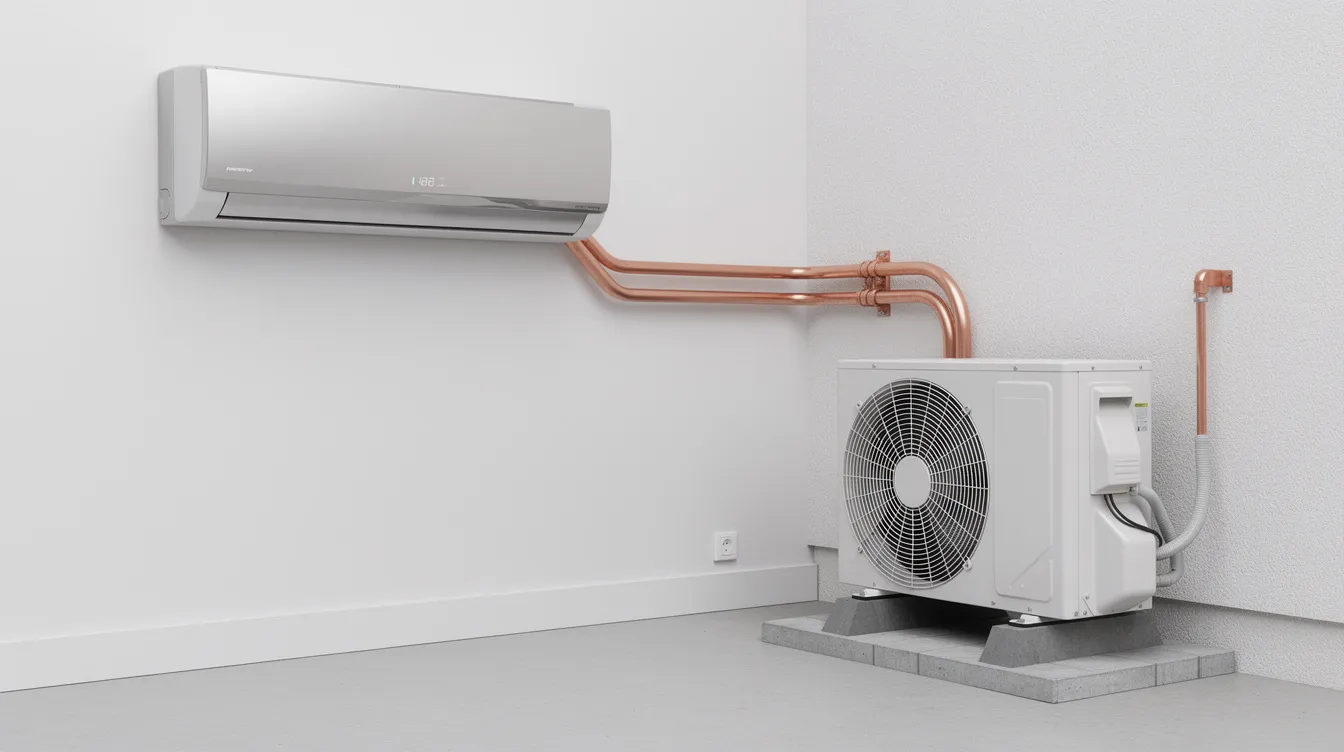
Ductless Mini-Splits
Ductless systems connect a single outdoor unit to one or more indoor units mounted on walls, floors, or ceilings. Each indoor head has its own btu rating (common sizes: 9,000, 12,000, 18,000, or 24,000 BTUh).
Ductless is ideal for older Texas homes without ductwork, bonus rooms, converted garages, family room additions, or commercial build-outs where ducts are impractical.
Each zone requires separate sizing based on room dimensions, insulation, and sun exposure rather than one central tonnage number. HVAC Services Pro designs multi-zone ductless systems that balance comfort, efficiency, and aesthetics.
Packaged Units
Packaged units house all components in a single outdoor cabinet placed on a slab or rooftop, connecting directly to ductwork. They’re common for ranch-style homes, mobile homes, and many light commercial buildings in the Texas area.
Packaged system units are sized similarly in tons but require careful duct design because all air flow runs through that single unit. HVAC Services Pro installs packaged gas/electric and heat pump packages, ensuring capacity matches building needs and local code.
Why a Manual J Calculation Is the Best Way to Size Your AC
Manual J is the industry-standard residential load calculation method recognized by building code officials and equipment manufacturers.
HVAC Services Pro performs Manual J and related calculations for new installations and major replacements rather than guessing based on existing equipment size.
Manual J considers:
- Square footage and room-by-room dimensions
- Insulation levels and R-values
- Window specifications and orientation
- Shading factors and sun exposure
- Air leakage rates
- Occupancy patterns
- Internal heat loads from appliances
This process avoids the common hvac contractor habit of “just putting in what was already there”—which perpetuates previous sizing errors, especially after remodels.
Ready for proper air conditioner sizing? Schedule an energy-efficient system consultation with HVAC Services Pro. We provide clear written proposals with recommended tonnage and SEER2 ratings.
Choosing the Right AC Size and Installer in Texas
Proper sizing plus quality installation matters more than brand name alone. Window air conditioners and portable units have their place, but central air conditioner size decisions require professional expertise.
Look for these qualities in an hvac company:
- Licensed and insured professional hvac technician staff
- Willingness to perform a load calculation (not just “one ton per X square feet”)
- Clear explanation of options and air conditioner size recommendations
- Detailed written estimates
HVAC Services Pro offers:
- Free installation estimates
- Five-year labor warranty on new installs
- Financing options and help with rebates
- Products with energy star label options
- 24/7 emergency HVAC repair for critical failures
Avoid hvac contractors who size by square footage alone or suggest upsizing without checking ducts, insulation, and windows. Don’t rely solely on information from other service provider websites—get professional verification.
Getting the right size ac unit isn’t about buying the biggest system. It’s about matching capacity to your home’s actual needs through professional assessment.
Get the Right Size AC Installed — Done Right the First Time
Don’t guess your AC size. Our experts perform professional load calculations and full system preparation to ensure your new system runs efficiently, keeps you comfortable, and lasts for years.
