





Carrier Air Conditioners Prices in 2026: What You Can Expect to Pay
Shopping for a new air conditioner means understanding what you’ll actually spend—not just vague estimates. This guide breaks down carrier air conditioners prices across every series, system type, and home size so you can budget accurately for your 2026 HVAC project.
Carrier air conditioner prices at a glance in 2026
Most Carrier central air conditioner installations in 2026 fall between $3,000 and $15,000 or more, including basic installation but excluding major ductwork modifications or furnace replacement. The average cost of a Carrier air conditioner typically ranges from $3,000 to $15,000, which includes installation costs. A typical 2.5–3 ton Carrier Comfort Series central ac unit suited to a 1,600–2,000 square foot home usually runs about $5,000–$7,500 installed, while a 4–5 ton high-efficiency Infinity System ac system for a 2,800–3,500 square foot home can reach $9,000–$15,000+ installed.
Pricing depends mainly on series (Infinity, Performance, Comfort), SEER2 rating, unit size in tons, and local labor rates. The industry-wide transition to low-GWP refrigerants is leading to price increases, with many Carrier dealers seeing rises approximately 8% in early 2026. Prices and SEER2 minimums increased after the 2023 federal efficiency changes, so 2018–2020 price references are now outdated for anyone shopping today.
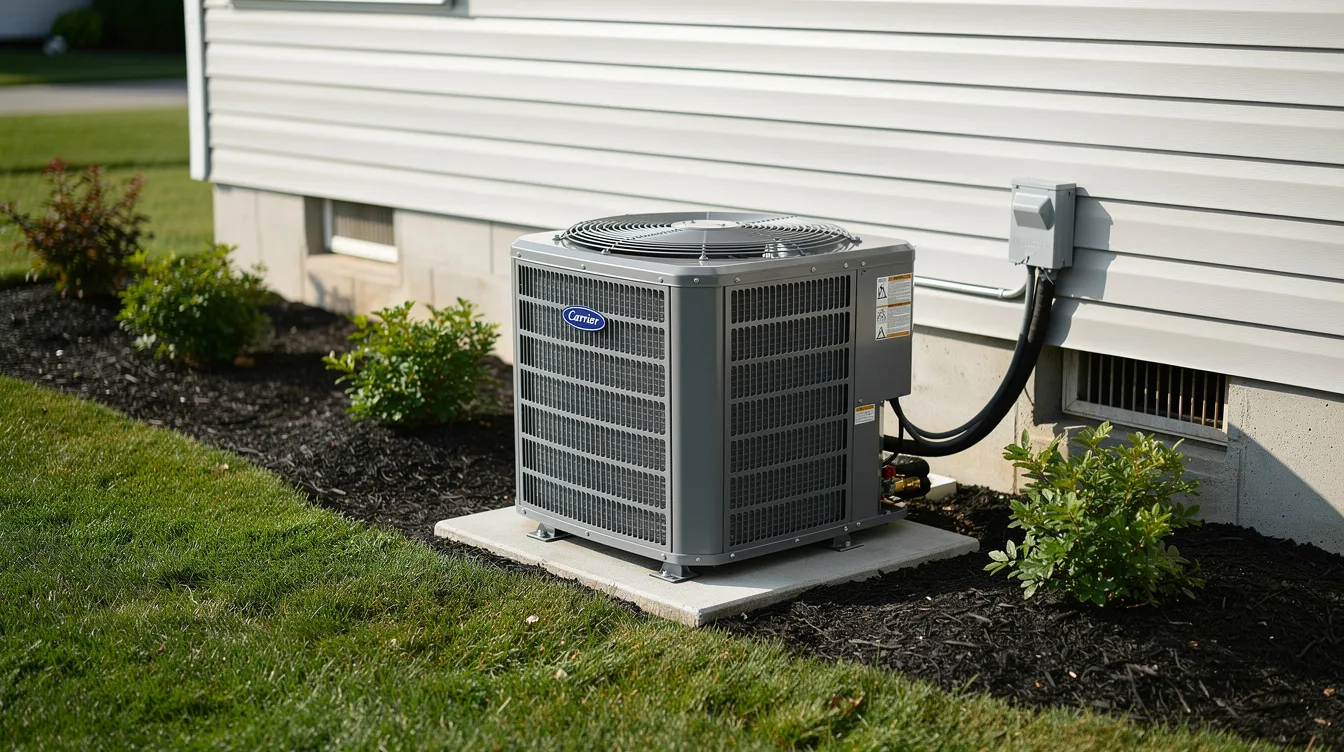
How much does a Carrier AC unit cost by series?
Carrier offers three main series of air conditioners: the Infinity System, Performance Series, and Comfort Series, each designed to meet different efficiency and comfort needs. Each tier comes with distinct price levels, efficiencies, and noise ratings that determine the carrier ac unit cost you’ll encounter.
Here’s what to expect for typical 2–4 ton residential systems in 2026:
- Comfort Series: Roughly $3,000–$7,500 installed for standard 13.4–16.5 SEER2 models with single stage compressors
- Performance Series: Roughly $4,500–$10,000 installed for 15.2–19 SEER2 units with single or two stage compressor options
- Infinity System: Roughly $7,500–$15,000+ installed for premium 18–24 SEER2 models featuring variable speed compressors
The Infinity System is Carrier’s premium line, featuring advanced technology for maximum efficiency and comfort, while the Comfort Series is the most budget-friendly option with basic features. The Performance Series offers a balance between cost and efficiency, providing enhanced energy savings and comfort features compared to the Comfort Series. Infinity models often run 20–50% more than Comfort Series units of the same size but operate significantly quieter—into the low-60s dB range and below on select models.
Comfort fits budget-conscious buyers and rental properties. Performance works well for homeowners wanting balanced efficiency without premium pricing. Infinity suits long-term owners prioritizing whisper-quiet operation and energy savings. These prices assume standard replacement of an existing split system with no major duct reconstruction; complex installs can exceed the high end.
Carrier air conditioner prices by type of system
Carrier air conditioners encompass several system types: central split systems, ductless mini split configurations, and geothermal heat pump systems, each with very different price ranges.
Realistic 2026 installed cost ranges include:
- Central split-system Carrier AC: About $3,000–$15,000+ installed in most residential homes
- Carrier ductless mini split (single-zone): Roughly $3,000–$7,000 installed per outdoor and indoor head
- Multi-zone ductless systems: Often $6,000–$18,000+ depending on number of zones
- Geothermal Carrier systems: About $18,000–$45,000+ installed due to excavation and ground loop costs
The lower ends assume straightforward replacement in an existing home, while upper ends reflect multi-system installations, large homes, and complex layouts. Consider whether you’re simply replacing a failed outdoor condenser or redesigning your entire home comfort system with new ducts and zoning—that choice has the biggest impact on total cost, and understanding the condenser on your air conditioner can help you evaluate replacement options more accurately.
Energy-efficient Carrier features that influence price
Many of Carrier’s higher prices tie directly to advanced energy-saving and comfort features that justify the initial cost over time.
Key features that typically increase cost include variable speed compressors or two stage compressors in Infinity and higher-end Performance models, along with Greenspeed Intelligence on select premium systems. Higher SEER2 ratings—often 18–24 SEER2 in 2026 Infinity models—command premium pricing. Enhanced dehumidification modes and advanced airflow controls improve indoor comfort. Using a programmable smart thermostat can optimize temperature settings based on your schedule, minimizing wasted energy and reducing cooling costs through communicating thermostats and smart home integration.
Modern air conditioners have SEER2 ratings ranging from 13 to 26, with the most efficient units rated at 20 SEER2 or higher, which is essential for meeting energy efficiency standards. The Seasonal Energy Efficiency Ratio ratings measure the energy efficiency of air conditioning systems, with higher SEER ratings indicating better cooling performance and lower energy consumption. These features raise upfront price but can cut cooling bills significantly in hot climates, often making them cost-effective over 8–12 years. Some high-efficiency models may qualify for 2026 utility rebates, state incentives, or federal tax credits, and using an energy savings calculator for HVAC upgrades can help estimate long-term bill reductions when you step up to higher SEER2 equipment.
Key factors that affect Carrier air conditioner installation costs
The sticker price of the ac unit is only part of the overall project; labor, materials, and home conditions often add thousands to your total cost. Installation costs for Carrier air conditioners can vary significantly based on factors such as the type of system, local labor rates, and the condition of existing ductwork.
Major cost drivers include:
- Unit size in tons (1.5–5 tons for most homes)
- SEER2 efficiency rating and compressor type
- Type of system (central, ductless, geothermal)
- Condition and design of existing ductwork
- Installation complexity (attic, crawl space, roof, or slab)
- Local labor rates and permit requirements
- Regional climate and operating hours per year
In 2026, typical licensed HVAC labor runs approximately $80–$170 per hour in many U.S. metros, with complete installations often requiring 4–14 labor hours or more depending on scope. Prices may be influenced by local labor rates and regional market conditions, with potential variation based on seasonal demand, as detailed in regional guides like a DFW HVAC installation cost guide for homeowners.
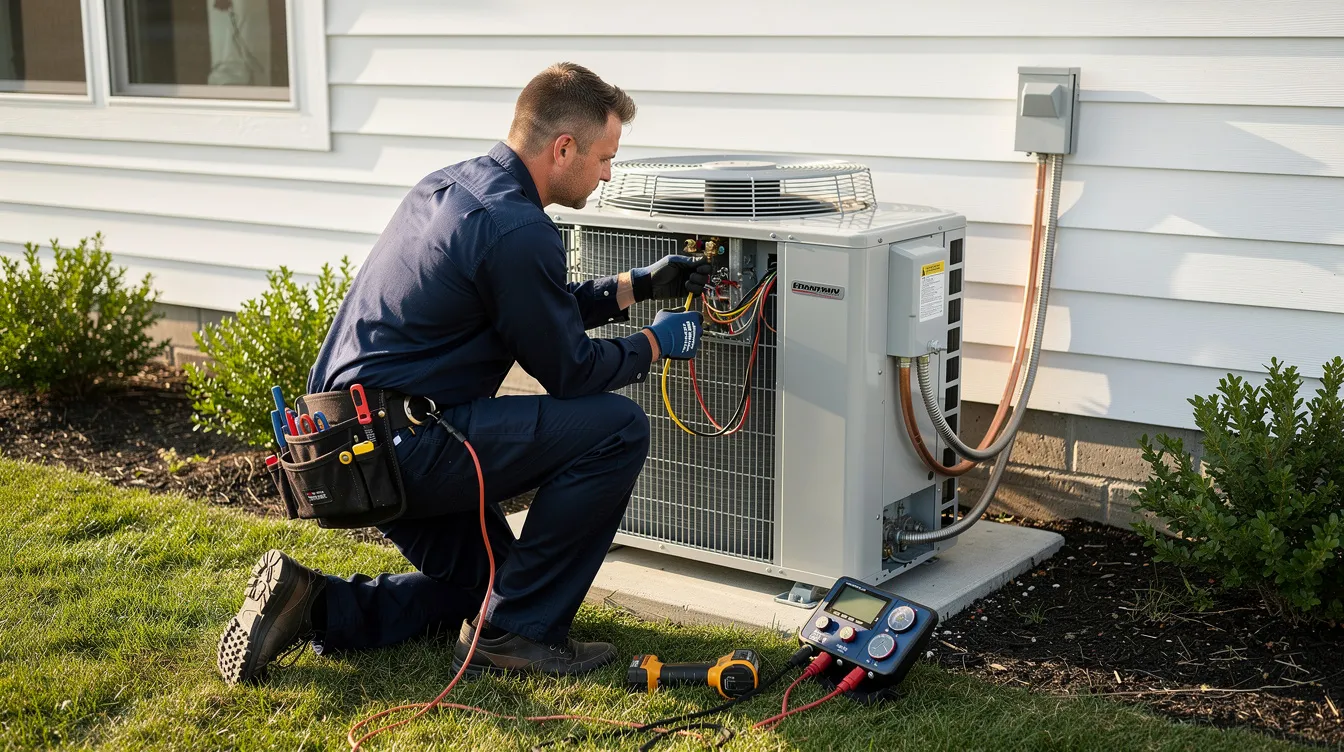
Type of installation: replacement vs. full system vs. geothermal
Installation complexity, such as difficult access and electrical upgrade needs, can significantly affect the installation costs. The difference between simple like-for-like replacements and major system overhauls shifts pricing dramatically.
Swapping only the outdoor condenser on an existing compatible system can take 4–8 hours and often falls near the lower end of the $3,000–$7,000 range. Replacing both indoor and outdoor units with a new Carrier matched system, plus minor line set and electrical updates, typically requires 8–14 hours and lands near the mid- to high-range prices. Installing a new geothermal Carrier system involves trenching or drilling for ground loops and can exceed $30,000 in many properties.
Installation costs can vary based on the complexity of the project, such as whether the installation is in a tight attic space or requires new ductwork, which can add thousands to the total cost. Packaged rooftop units may require cranes, adding equipment rental costs.
Condition of the home and ductwork
The condition of existing ductwork can significantly affect installation costs, as repairs or replacements may be necessary if the ducts are undersized or damaged. The state of existing ducts, insulation, and home layout can add or save several thousand dollars from the total bill.
Many 1990s–2000s homes have ductwork that may be undersized or leaky for today’s higher-efficiency systems, requiring sealing, resizing, or replacement. Basic duct repairs might add $500–$2,000, while full duct replacement in a large two-story home can push labor costs up by $5,000–$15,000 depending on region. Open-concept, single-story layouts are generally cheaper to serve than tight, multi-story floorplans that may benefit from zoning or ductless supplemental systems.
Regional climate, energy codes, and SEER2 requirements
As of January 2023, the Department of Energy updated the SEER ratings to SEER2, which reflect real-world testing methods for better accuracy, especially in extreme climates. Regional climate impacts the installation cost of air conditioning systems, as hotter climates may require higher SEER-rated units to meet cooling demands, which can increase both unit and installation costs.
Current standards vary depending by region:
- Southern states (DOE Southeast and Southwest regions) generally require a minimum of 14.3 SEER2 for new central ac unit systems
- Northern states typically require at least 13.4 SEER2, though many homeowners choose 15.2 SEER2 or higher for better savings
Carrier’s current residential air conditioners in 2026 are typically rated 16 SEER2 and above, so even entry-level models exceed minimums but come at a slightly higher base price than pre-2023 equipment. Hotter regions like Texas, Florida, Arizona, and Nevada often see payback from 18–20+ SEER2 Infinity models within 6–10 years of heavy use, while cooler regions may stick with mid-tier Performance or Comfort models for lower upfront costs.
Typical Carrier AC price examples by size (tons) and home area
Cooling capacity (tonnage) significantly impacts the total installation price, with larger units being more expensive due to higher equipment and installation demands. “Tons” measure cooling capacity, and most homes use 1.5–5 ton Carrier units depending on square footage and insulation.
Around 1,000 square feet, a 1.5–2 ton Comfort or Performance Series Carrier AC might cost roughly $4,000–$6,500 installed. Around 2,000 square feet, a 3 ton Performance Series unit often falls in the $5,500–$8,500 installed range depending on seer rating and local labor. Around 3,000 square feet, a 4–5 ton Infinity System with variable-speed compressor can range from $8,500–$15,000+ installed, especially if paired with new indoor equipment. Larger custom homes over 3,500 square feet may need multiple systems or zones, pushing entire-home installations beyond $20,000, which aligns with many 2026 quotes in resources that outline how much for a new AC unit in DFW.
A properly sized unit requires formal Manual J load calculations by a licensed installer—not rule-of-thumb square footage alone—to effectively cool your space and avoid oversizing or undersizing.

Carrier prices vs. other AC brands
In 2026, average central AC installations across major brands generally cost about $5,000–$8,300, while Carrier systems often price somewhat above this range due to cooling efficiency, build quality, and brand reputation.
Entry-level Carrier Comfort models may be close to mid-range models of value-oriented brands. Premium Infinity models commonly cost more than many competing systems but deliver higher SEER2 ratings, quieter operation (as low as low-50s dB on select units), and advanced comfort controls. Carrier also offers 10-year parts limited warranties when properly registered within 90 days.
While the upfront difference might be $1,000–$3,000 compared with some alternatives, lower energy use, quieter performance, and longer expected life (often 12–20 years) can narrow that gap over time—particularly when you factor in available rebates and other factors affecting long-term value.
Ways to save money on a Carrier air conditioning system
Even though Carrier is a premium brand, there are several ways to reduce total project cost without sacrificing reliability.
- Get written estimates from at least 2–3 licensed Carrier dealers in your area to compare installation prices
- Choose the right size unit based on a formal load calculation instead of upsizing “just in case”
- Consider mid-tier Performance models with solid SEER2 ratings rather than always choosing expensive units from the Infinity line
- Installing a Carrier AC system during the offseason can lead to lower labor costs due to decreased demand for installation services
- Homeowners should research available rebates, incentives, or tax credits from utility companies or government agencies to help offset the cost of a new air conditioning system
- Package upgrades like thermostats, air quality add-ons, or furnace replacements together for bundled pricing
Regular maintenance after installation can preserve efficiency and prevent early replacement, improving the long-term value and helping you save money on utility bills over the system’s lifespan.
Are Carrier air conditioners worth the price?
Carrier units typically cost more than many basic brands but provide strong value for homeowners prioritizing comfort, quiet operation, and higher efficiency. Investing in a high-efficiency air conditioning model with a higher SEER rating can significantly reduce electricity usage and lower utility bills.
Carrier offers units with SEER2 ratings up to the low-20s range in 2026, supporting lower long-term energy bills and reduced environmental impact. Many models come with 10-year parts limited warranties when properly registered. Sound levels can drop into the low-50s dB on select Infinity models, making them among the most efficient units and quietest central AC options available.
The “worth it” question depends on how long you plan to stay in the home, how hot your climate is, and how much you value quieter, more stable indoor comfort. Weigh higher upfront cost against expected life span and ongoing energy savings, especially in high-cooling-load regions where your new air conditioner will run extensively.
Getting accurate Carrier AC price estimates near you
Online price ranges are only starting points; actual quotes require an in-home assessment by a qualified HVAC professional who can connect your specific needs to the right solution.
During the typical quote process, the installer evaluates home size, insulation, windows, duct layout, and electrical capacity. They check the condition of existing equipment and ducts, then present 2–3 Carrier options from Comfort, Performance, and Infinity lines with itemized pricing. Prepare for the visit by gathering recent utility bills and noting comfort issues like hot rooms or humidity problems.
Confirm that the installer is properly licensed, insured, and experienced with Carrier systems. Verify they pull necessary permits and handle inspections in your city or county. Contact local Carrier dealers or authorized installers or a full-service HVAC systems provider for precise 2026 pricing tailored to your home.
Questions to ask a Carrier air conditioner installer
This checklist helps homeowners compare bids and protect themselves from surprises:
- “Are you an authorized Carrier dealer, and how many Carrier systems have you installed in the past year?”
- “Which Carrier series and SEER2 ratings do you recommend for my home and climate, and why?”
- “Can you provide a detailed, line-item estimate that separates equipment, labor, permits, and any ductwork?”
- “What are the warranty terms for the Carrier unit, your labor, and any additional parts?”
- “Will you handle permits, inspections, and post-installation system balancing or commissioning?”
- “Do you offer maintenance plans or security service agreements, and what do they cost?”
FAQs about Carrier air conditioner prices in 2026
How much does a 3-ton Carrier AC unit cost in 2026? Expect to pay roughly $5,000–$8,000 installed depending on series and SEER2 rating. Performance Series models typically fall mid-range, while Infinity models push toward the higher end.
Why are Carrier air conditioners more expensive than some other brands? Carrier’s premium pricing reflects superior SEER2 ratings up to 24, quieter operation, advanced features like Greenspeed Intelligence, and strong warranty coverage.
Has the cost of Carrier AC units increased since the 2023 SEER2 change? Yes, modest increases occurred due to stricter efficiency standards, material costs, and the refrigerant transition driving approximately 8% increases in early 2026.
Can I buy a Carrier AC unit without professional installation to save money? Carrier equipment is typically sold through licensed professionals, and warranty coverage requires proper installation. DIY installation voids warranty protection.
How long should a new Carrier air conditioner last? With proper maintenance, expect 12–20 years of reliable operation from a new system.
Do Carrier air conditioners qualify for tax credits or rebates in 2026? Many high-efficiency models qualify for federal tax credits and utility rebates. Check current local and federal incentives for models exceeding 16 SEER2.
Final prices depend on your specific home conditions. An in-person quote from a licensed installer remains essential for accurate 2026 pricing on your new ac system, especially if you’re currently dealing with air conditioner problems like not cooling or blowing warm air and trying to decide between repair and replacement.
