





Cost to Install Air Conditioning System in 2026
Installing a new air conditioning system is one of the most impactful home upgrades you can make—but understanding the true cost to install air conditioning system projects can feel overwhelming. With equipment prices, labor rates, and efficiency standards all evolving in 2025, homeowners need a clear picture of what to expect before requesting quotes. This guide breaks down every major cost factor so you can budget confidently and avoid surprises.
Key Takeaways
- The average cost to install a new air conditioning system in 2025 is expected to range from $3,500 to $7,500, which includes both equipment and labor costs. Complex projects with new ductwork or high-efficiency systems can reach $12,000–$18,000 or more.
- Total price depends mainly on AC type (central, ductless, heat pump), system size in tons or BTUs, efficiency rating (SEER2), and home-specific work like ductwork installation or electrical upgrades.
- Installation typically ranges from $1,000 to $2,500, with technicians charging $50–$150 per hour. Adding new ductwork can add $600 to $9,000 to project costs, making it the single biggest variable.
- Home upgrades that are Energy Star® approved can provide up to $3,200 annually in federal income tax credits until the year 2032, and many states offer local utility rebates or government tax credits when buying a new hvac system.
- Getting at least three detailed quotes and requesting a Manual J load calculation is the quickest way to pinpoint your actual costs.
Average Cost to Install a New Air Conditioning System in 2025
Installation cost includes your equipment, labor costs, permits, and basic materials like thermostats. For central air conditioning systems, the installation cost typically ranges from $4,500 to $7,000, which includes the unit, ductwork, installation, and a new thermostat.
The national average for a basic central ac system in homes with existing ductwork falls between $3,500 and $7,500. Many homeowners with 1,500–2,000 square foot homes land in the $5,500–$8,500 range when all costs are included. The total ac unit cost can vary based on factors such as additional components, available rebates, and the timing of installation.
Where costs fall on the spectrum:
| Scenario | Typical Range |
|---|---|
| Low-end (small home, existing ducts, standard efficiency) | $3,500–$5,000 |
| Mid-range (average home, minor upgrades needed) | $5,500–$8,500 |
| High-end (large home, new ductwork, high-efficiency) | $12,000–$18,000+ |
| The cost of replacing an air conditioner in a residential home can range between $5,500 and $16,000, including labor and permit fees. Geographic location, climate zone, and local labor rates can shift these numbers by 10–30%—coastal California projects often run 20–50% higher than Midwest equivalents, and regional markets like Dallas–Fort Worth follow their own installed AC unit price ranges. |
Air conditioning units typically fall into entry-level, mid-range, and high-end categories, each offering different costs and features.
Factors That Affect AC Installation Cost
There is no single “correct” price for ac installation because several technical and site-specific variables drive actual costs. Understanding these factors helps you interpret quotes and identify where savings might exist. It’s important to ensure you are paying a fair price, which should include thorough pre- and post-installation tasks such as load calculations and proper system sizing.
Biggest cost drivers:
- Home’s square footage, layout, insulation quality, and sun exposure
- Climate zone and whether existing ductwork is present
- AC type (central air conditioner vs. ductless vs. heat pump)
- Cooling capacity (tonnage) and SEER2 efficiency rating
- Installation complexity: tight attic access, long refrigerant runs, or code-mandated electrical upgrades
Your priorities matter too. Homeowners focused on lowest upfront cost will choose different equipment than those prioritizing long-term energy efficiency and comfort.
AC Types and Their Typical Installed Costs
Choosing the right hvac system is the first step toward a realistic cost expectation. Installation costs can vary significantly depending on the unit type, as each unit type is suited to different home needs and climates. Each system type has different installation requirements, efficiency profiles, and ideal use cases.
Quick comparison:
| System Type | Typical Installed Cost | Best For |
|---|---|---|
| Central AC | $4,500–$9,500 (without major new ductwork) | Whole-home cooling with existing ducts |
| Ductless Mini-Split | $3,000–$7,000 (multi-zone) | Older homes, additions, no existing ducts |
| Heat Pump | $6,000–$15,000+ | Mild climates, dual heating/cooling needs |
Central Air Conditioning Systems
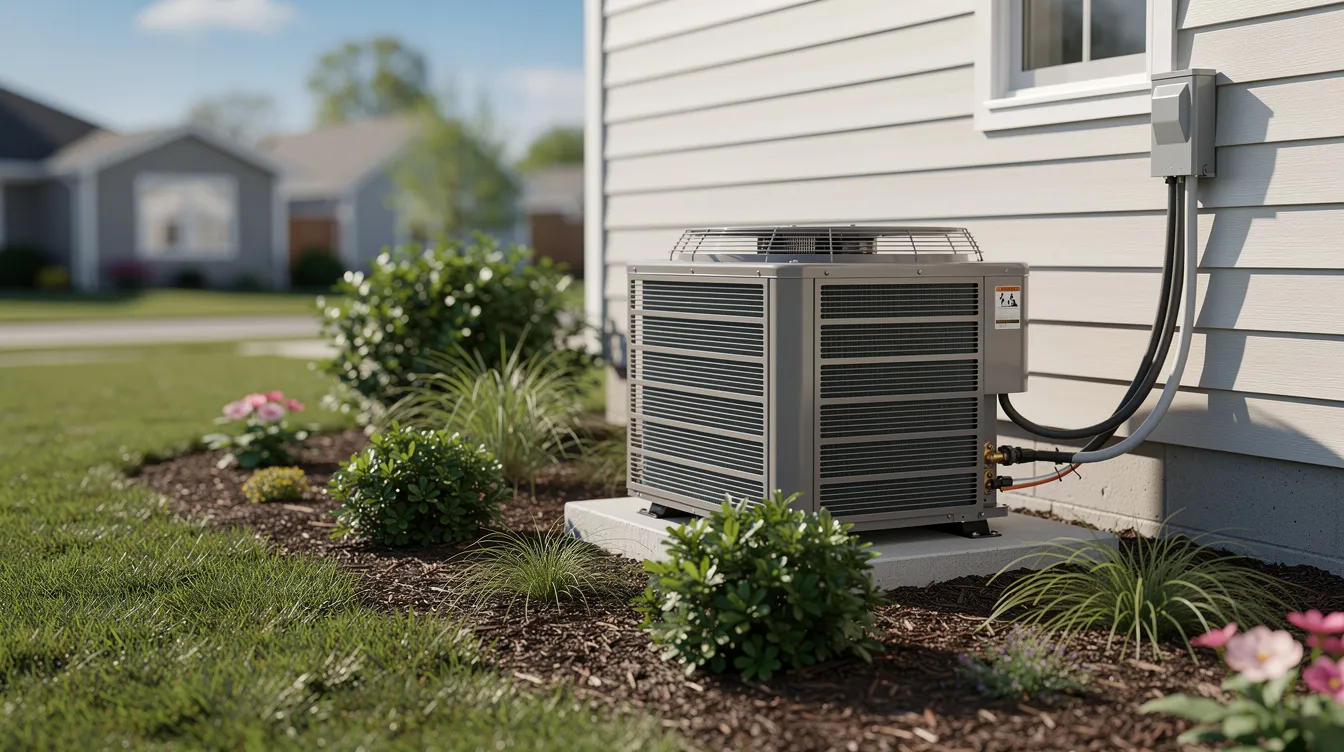
Central air conditioning uses a single outdoor unit (condenser) paired with an indoor evaporator coil connected to your furnace or air handler and ductwork. Installing a new ac unit may require ductwork modifications and consideration of energy efficiency ratings, especially as part of a comprehensive HVAC upgrade. This split system distributes cooled air throughout your entire system of ducts.
Central air conditioning systems are designed for whole-home cooling and typically cost between $4,500 and $7,000, including installation and ductwork. Larger homes or premium variable speed units can push totals to $9,000–$12,000 or more.
If your home lacks existing ducts, a full ductwork replacement can add $3,000 to $10,000 to the total project cost. Central ac systems offer the best comfort and value per square foot when ducts are in good condition.
Ductless Mini-Split Systems
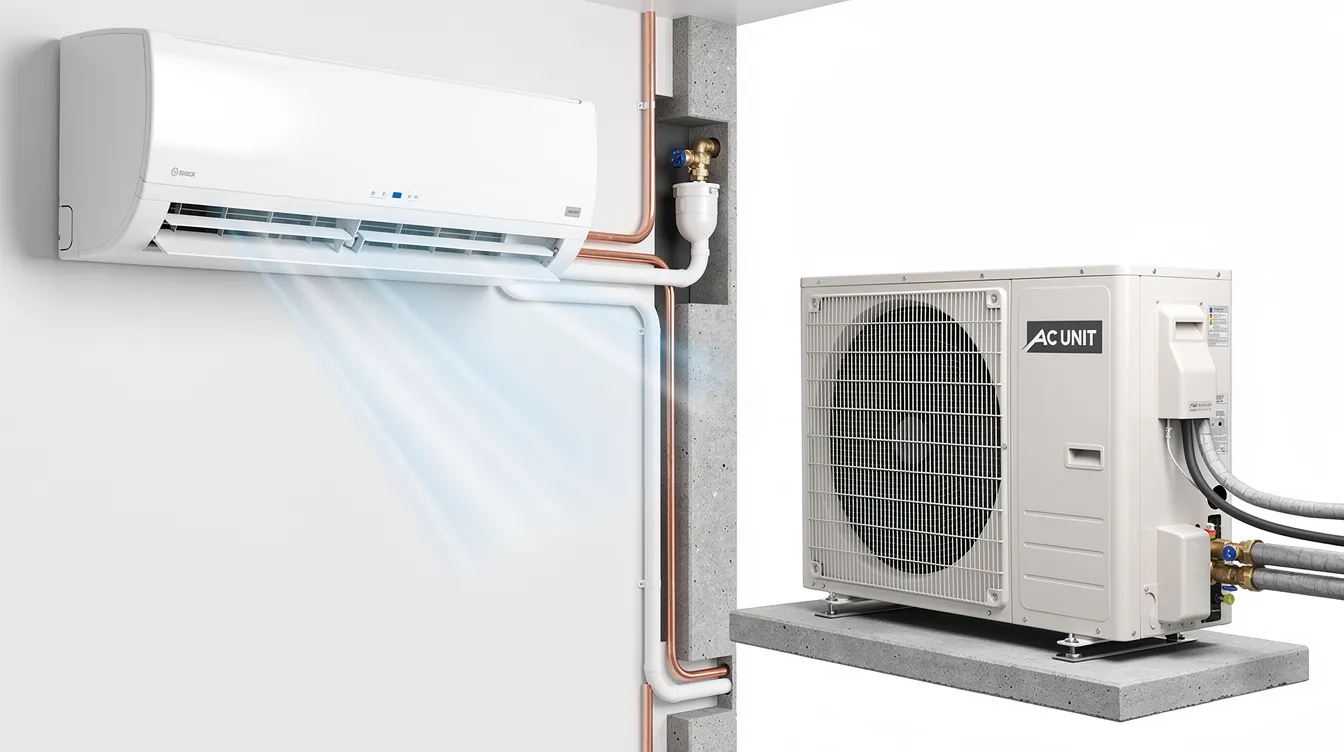
Ductless mini-split systems feature one outside ac unit connected via small refrigerant lines to wall-mounted indoor units. They excel in homes without ductwork, room additions, garages, and finished basements.
Ductless mini-split systems, which consist of an indoor and outdoor unit, are ideal for homes without existing ductwork and can cost between $2,000 and $5,000 per zone. Multi-zone setups serving several rooms typically run $4,000–$10,000.
Installation is less invasive than running new ductwork—often completed in one to two days. Many ductless systems function as heat pumps, providing both heating and cooling while potentially qualifying for higher rebates.
Heat Pumps and High-Efficiency Systems
Air-source heat pumps provide both heating and cooling through the same refrigerant cycle, replacing or supplementing your furnace and ac unit. Heat pumps can cost between $6,000 and $25,000, depending on tonnage, cold-climate capability, and configuration.
In milder climates, a heat pump can lower annual energy bills enough to offset higher upfront costs over 5–10 years. Inverter-driven variable speed systems start around $8,000 installed but deliver top-tier comfort and system efficiency.
High-efficiency and heat pump systems often qualify for larger 2025 federal energy tax credits—a significant factor in total cost calculations.
System Size and Capacity: How Tonnage Impacts Price
Cooling capacity is measured in “tons” based on a home’s square footage—not physical dimensions. One ton equals 12,000 BTUs per hour of cooling power, typically sufficient for 500–600 square feet. Larger units provide more cooling power, which is necessary for bigger or hotter spaces, but oversizing can result in inefficiency and discomfort.
Most homes require systems from 1.5 to 5 tons:
| Tonnage | Equipment Cost (Before Labor) |
|---|---|
| 1.5–2 ton | $2,500–$4,500 |
| 3 ton | $3,000–$5,500 |
| 4–5 ton | $4,000–$9,700 |
| Larger air conditioning units generally come with a higher initial cost, but selecting a unit that is too small can lead to additional expenses for extra units later. Simple rules like 20 BTUs per square foot provide rough estimates, but a Manual J load calculation is the gold standard for proper sizing. |
Oversizing causes short-cycling and humidity problems while reducing lifespan by 10–20%. Undersizing leads to inadequate cooling and potential coil freeze-up.
Efficiency Ratings (SEER2) and Their Effect on Cost
The seasonal energy efficiency ratio (SEER) is a critical factor in determining air conditioning costs. SEER2 is the updated 2023 efficiency rating—think of it like miles-per-gallon for your cooling system.
As of 2025, new central ac units must meet minimum SEER2 standards: 13.4+ in northern regions and 15+ in southern states. A high-efficiency unit can have a SEER rating up to 18 or higher.
Efficiency tiers for 2025 buyers:
- Standard (SEER2 13.4–15): Lower upfront cost, adequate efficiency
- Mid-range (SEER2 16–18): 10–20% bill savings, balanced investment
- High-efficiency (SEER2 19+): Premium cost, 30%+ savings in hot climates
Higher SEER ratings typically lead to increased initial costs but lower operating costs over time. Tools like an energy savings calculator for HVAC upgrades can help estimate your personal payback. Short-term homeowners often choose standard efficiency, while those planning to stay 10+ years benefit from higher-efficiency options.
Installation Labor and Professional Services
Proper installation quality matters as much as equipment choice for comfort and longevity. Hiring a professional for AC installation ensures that the system is installed according to local codes and regulations, which is crucial for safety and efficiency.
Installation typically ranges from $1,000 to $2,500, with technicians charging $50–$150 per hour. Straightforward replacements (same location, existing ducts and electrical) fall at the low end, while complex retrofits push labor higher.
Reputable hvac contractor services include pre-installation load calculations, permits, equipment setup, and post-installation testing. Confirm whether your quote includes disposal of the old unit, crane fees for rooftop units, and follow-up inspection fees.
Pre-Installation Evaluation and Load Calculation
An ACCA Manual J load calculation sizes your new system based on square footage, insulation, windows, doors, and orientation. This evaluation can cost $300–$900 if billed separately, but many contractors include it in their estimate.
A home energy audit may uncover air leaks and insulation gaps, sometimes qualifying for separate incentives. Professional HVAC technicians have the specialized tools and expertise needed to safely remove old units and install new ones, reducing the risk of damage to your home.
Skipping a proper load calculation increases the risk of an oversized or undersized efficient system. Request a written summary of the calculation for your records.
Additional Trades: Electrical and Plumbing Work
New or upgraded hvac equipment often requires dedicated electrical circuits, updated breakers, or new disconnects, especially when resolving air conditioner problems like units not cooling or turning on. Electrical upgrades for HVAC systems can cost $300 to $1,200 depending on scope.
Plumbers may be required for routing or upgrading condensate drain lines, with typical small jobs ranging from $180–$500. Some hvac company operations have in-house licensed electricians, while others require separate scheduling.
Confirm in writing whether electrical and plumbing costs are included in your primary quote.
Home-Specific Costs: Ductwork, Line Sets, and Site Conditions
The condition of your existing hvac infrastructure can significantly increase or decrease project costs. Key items include ductwork, line sets, condensate drainage, and equipment location (attic, crawlspace, slab, or rooftop).
Addressing these components upfront prevents hot/cold spots, leaks, water damage, and premature cooling system failure.
Ductwork Installation or Modification Costs
Installing new ductwork can add $600 to $9,000 to project costs depending on home size and complexity. Replacement costs for ductwork can range from $20 to $45 per linear foot.
Upgrading existing ducts (sealing leaks, resizing trunks, adding returns) often ranges from $500–$3,000. Serious duct problems—crushed sections, asbestos-wrapped ducts, or severely undersized returns—can push ductwork modifications toward $10,000 in older homes.
Properly sized and sealed existing ducts improve comfort, reduce energy waste, and protect your new hvac unit from strain. Ask whether a ductless option might be more cost-effective for your layout.
Line Sets and Line Set Protection
The line set is the pair of copper tubes carrying refrigerant between indoor and outdoor unit. Older line sets may be reused if compatible, but many 2025 installs replace them to match new refrigerants and efficiency requirements.
Replacing or extending line sets and adding protective covers can add a few hundred dollars to your project. Modern protection systems shield lines from weather and pests while maintaining efficient system performance.
Condensate Drainage and Pumps
Your ac system removes moisture from air and must safely drain condensate to a floor drain, sump pump, or exterior. Basic gravity drains are usually included when conditions allow, but tight spaces may require a condensate pump costing $300–$400 installed.
Proper drainage prevents overflow, mold growth, and water damage near the air handler or furnace. Include regular drain line cleaning and pump checks in your maintenance routine.
Regional and Timing Impacts on AC Installation Cost
Where you live and when you schedule installation can swing prices by hundreds or thousands of dollars. Labor rates, permit fees, and code requirements differ substantially across regions.
Schedule your installation during the shoulder seasons to potentially secure off-season discounts of up to 20%. Spring and fall typically offer lower demand-driven markups and shorter wait times. However, urgent or emergency AC replacements during peak seasons often result in higher costs due to increased demand and limited technician availability.
State and City Variations
Some states have stricter building codes, inspection requirements, or higher labor statistics that add to total price. Coastal California, parts of New England, and fast-growing Sun Belt metros typically see higher quotes.
In very hot regions (Arizona, Texas, Nevada), homeowners often invest in higher capacity and higher SEER2 systems, and areas like Dallas–Fort Worth have their own HVAC installation cost guide for homeowners. Examples: San Francisco averages around $7,900 while Green Bay comes in closer to $4,000 for comparable systems.
Use multiple local quotes to understand the “normal” average price in your specific metro area.
Permits, Warranties, Tax Credits, and Rebates
Soft costs and long-term protections also influence the true cost of hvac installation. Most jurisdictions require permits for new or ac replacement projects.
Home upgrades that are Energy Star® approved can provide up to $3,200 annually in federal income tax credits until the year 2032. Many states have local utility rebates or government tax credits available when buying a new system. State governments may offer rebates for installing particularly high-efficiency systems, but these are often limited in duration.
Ask contractors if they assist with rebate paperwork—this can significantly reduce net installation cost.
Permits and Inspection Fees
Permits ensure installations meet local safety and energy codes. Permits and inspections for HVAC work typically cost $200 to $800, though reputable contractors usually obtain permits on your behalf.
Unpermitted work can cause issues during home sales and with insurance claims. Confirm in writing that permit costs are included in your quote.
Warranties and Long-Term Protection
Standard manufacturer warranties cover 5–10 years on major components for central air units installed by licensed professionals. Extended warranties cost $100–$500+ for additional coverage.
Warranties typically require registration within 60–90 days and documented annual maintenance. Working with a professional can help ensure that your new ac system operates efficiently, which can lead to lower energy bills and a longer lifespan for the unit.
Financing Your New Air Conditioning System
Many homeowners finance ac installation to spread the total cost over time. Options include contractor-arranged financing, home equity loans, credit unions, and specialized HVAC financing programs.
Zero-percent promotional plans and low-interest terms may be available but often require strong credit and on-time payoff. Compare total interest costs, fees, and early payoff penalties before choosing. Consider combining partial cash payment with financing to keep monthly payments manageable.
How to Get the Best Value on AC Installation
“Best” doesn’t always mean the lowest average cost—it means the optimal mix of cost, reliability, and comfort for your situation. Request at least three written quotes from licensed, insured contractors.
Ask each hvac company to provide detailed breakdowns of equipment, labor, permits, warranties, and potential add-ons. Consider optional upgrades like smart thermostats, which can improve energy efficiency and home comfort, along with other enhancements. Timing installations in shoulder seasons often yields better pricing and faster scheduling.
Regular maintenance ($100–$200 annually) protects your investment and maintains energy usage efficiency over 10–15+ years.
Questions to Ask Potential Contractors
- Will you perform and share a Manual J load calculation?
- Are you licensed and insured?
- What brands and efficiency levels are you quoting?
- What is and isn’t included in this total price?
- What’s the installation timeline? How long will my home be without cooling?
- Is old equipment removal included?
- What warranty and maintenance plan options do you offer?
Check online reviews, local references, and Better Business Bureau ratings before signing any contract for your right hvac system.

FAQ: Cost to Install an Air Conditioning System
These answers address common questions not fully covered above, providing quick guidance for your hvac replacement decisions.
Is it cheaper to replace just the AC unit or the whole HVAC system?
Replacing an old unit is usually cheaper than installing a new one from scratch. Replacing only the ac (keeping existing furnace or air handler) typically costs $6,000–$14,000 for central systems. However, if your furnace is old or incompatible with modern variable speed units, replacing both avoids future labor duplication and may qualify for better rebates. Have a contractor evaluate compatibility before deciding.
How long does a new AC installation usually take?
A straight central ac replacement with existing ducts typically takes one full working day (6–10 hours). Projects involving new ductwork, multiple zones, or electrical upgrades can take two to three days. Ask for a schedule estimate upfront.
Can installing a new AC system lower my energy bills enough to justify the cost?
Upgrading from an older, low-efficiency unit to a modern SEER2-compliant system can cut energy costs by 20–40% in many homes. Actual savings depend on local utility rates, climate, and usage patterns. Homeowners staying 7–10 years often see meaningful payback from mid- to high-efficiency systems.
Are ductless mini-splits worth the higher cost per room?
While ductless systems cost more per room than a window ac unit, they’re far more efficient, quieter, and better at controlling temperature and humidity. Window air conditioning units are a budget-friendly option for cooling single rooms, typically costing between $150 and $800, but lack the efficiency and whole-room performance of mini-splits. Avoiding new ductwork makes ductless systems cost-effective for older homes or additions where zoning is a priority.
Should I repair my old AC or replace it?
If your current system is over 10–15 years old and repair costs exceed 25–30% of a new unit cost, replacement is usually smarter long-term. Frequent breakdowns, rising energy bills, and outdated refrigerants are additional replacement signals. Ask your technician for both repair and replacement quotes to compare costs over the next 5–10 years.
Find AC Energy Savings in All 50 States
Choose your state below to estimate cooling costs, compare efficiency upgrades, and see how much a new HVAC system could save based on climate and usage patterns.