





EPA Refrigerant Changes 2026:
R-410A vs R-454B Explained
Learn what the 2026 refrigerant changes mean for homeowners, whether you should buy a new AC before R-410A inventory disappears, and how the switch to R-454B could impact future repair and installation costs.
Key Takeaways
Beginning January 1, 2026, the EPA refrigerant rule changes 2026 are pushing most new central air conditioners and heat pumps toward low-GWP A2L refrigerants, including low gwp refrigerants like R-454B, instead of R-410A.
- Homeowners in Texas and Florida do not have to replace working R-410A systems; existing systems can still be serviced, repaired, and recharged for the foreseeable future.
- R-454B systems usually cost more upfront, but they offer lower environmental impact tied to climate change, improved energy efficiency, and stronger long-term regulatory support.
- The “buy now or wait” decision depends on system age, repair history, comfort problems, rebates, financing, and whether your current system is nearing failure.
- Proper sizing and installation by qualified hvac contractors like HVAC Services Pro matter more for comfort and bills than whether the system uses R-410A or R-454B.
Introduction: Why You’re Hearing About 2026 EPA Refrigerant Changes
If you have seen headlines about new HVAC refrigerant, R-410A replacement, or AC refrigerant changes, the short version is this: these broader new regulations include an environmental protection agency phase-down of high global warming potential HFCs used in many air conditioners, heat pumps, and packaged hvac units.
At HVAC Services Pro, we install systems daily in Dallas, Plano, Garland, McKinney, Arlington, Irving, and surrounding areas, so we see the real concern: “Will my old ac still be legal, and how much will a new ac cost?”

What Changed With EPA Refrigerant Regulations?
The EPA mandates refrigerants with a GWP of 700 or less by 2025, which is why most hvac manufacturers moved away from older refrigerants like r 410a in new equipment and toward newer options. R-410A will be phased out by January 1, 2026 for most new hvac systems, and R-454B will replace R-410A in new HVAC systems. R-32 is also being introduced as a new refrigerant option.
Key points:
- R-22 production ceased in 2020 due to environmental regulations; this is a similar transition, not a panic deadline.
- The new epa regulations target high gwp refrigerants because HFCs are potent greenhouse gases that can trap significantly more heat than carbon dioxide.
- Leak repair standards now apply to appliances containing 15 pounds or more of HFCs with GWPs above 53.
The EPA is providing more flexibility on compliance with the AIM Act to avoid economic disruption. The installation deadline for R-410A systems manufactured before January 1, 2025, has been extended, and changes in refrigerant regulations are focused on easing compliance costs across several industries. The EPA has adjusted compliance timelines to reduce the economic burden on industries, and the EPA has enacted revisions to refrigerant regulations to reduce costs for consumers. Federal estimates say the revised rules will save Americans and businesses over $2.4 billion annually.
What Is R-454B Refrigerant?
R-454B refrigerant is a low-GWP A2L refrigerant used as the primary r 410a replacement for residential and light commercial hvac systems, and it is especially relevant when you are dealing with refrigerant leak repair costs in DFW. It is not a single component refrigerant; it includes r 32 and another refrigerant blend component.
R-454B has a global warming potential around 466, compared with R-410A near 2,088. Some summaries say R-410A has a global warming potential 65% higher than R-454B, but either way, r 454b has a much lower global warming potential gwp. R-454B has zero ozone depletion potential, and new refrigerants like R-32 and R-454B have low ozone depletion potential, helping protect the ozone layer.
A2L refrigerants are classified as mildly flammable. R-454B is the most common A2L refrigerant used today, and new HVAC systems using A2L refrigerants have enhanced safety features such as leak detection, controls, labels, and proper handling requirements. When installed to building codes, these environmentally friendly refrigerants are considered safe.
Can You Still Buy R-410A Air Conditioners in 2025 and 2026?
Yes, but inventory matters. R-410A will be phased out by January 2026 for new mainstream production, but R-410A equipment manufactured before January 1, 2025 may still be sold and installed while supplies last, where local codes allow.
Existing hvac systems using r 410a refrigerant can still run, be repaired, and be recharged. Homeowners do not need to replace a working current system just because of the refrigerant change. However, R-410A refrigerant prices may rise due to limited supply, and a major part failure such as an AC compressor replacement in DFW or a refrigerant leak on older equipment may become more expensive.
HVAC Services Pro can compare remaining R-410A options against new R-454B air conditioner models, including SEER2 ratings, warranty, financing, and long-term support.
R-410A vs R-454B: What’s the Difference?
| Feature | R-410A | R-454B |
|---|---|---|
| Environmental impact | High global warming potential | lower global warming potential |
| Safety class | A1 | A2L, mildly flammable |
| Availability after 2026 | Declining inventory | Standard for new air conditioners |
| Compatibility | Existing systems only | New systems only |
| Service | Legal, but possible price hike | Supported by most hvac manufacturers |
| R-454B cannot be retrofitted into systems using R-410A. These refrigerant types are not interchangeable. To switch, homeowners usually replace the entire system: condenser, coil, and sometimes furnace or air handler. | ||
| That is why the bigger choice is often not “r 410a vs r 454b.” It is whether older systems should be repaired again or replaced with energy efficient systems that use less energy and offer a reduced carbon footprint, which you can estimate with an HVAC energy savings calculator. |
Will New HVAC Regulations Increase AC Prices?
Yes. New HVAC systems will cost 15-25% more by 2026 in many markets because both residential systems and commercial hvac equipment face redesigned coils, cabinets, controls, leak detection, and technician training, along with added compliance costs. The hvac industry is also dealing with supply chain adjustments as most hvac manufacturers shift product lines, so it pays to review local prices for new HVAC systems and installation before you commit.
New refrigerants will be priced based on supply and demand. R-410A may rise because supply is shrinking; R-454B may cost more early because production is still scaling.
For Dallas pricing, compare our broader guide to Trane air conditioning prices in DFW and:
- 3-ton AC unit price installed
- 4-ton AC unit price installed
- 5 -ton AC unit price installed
- Local AC installation cost calculator
Rebates may offset costs for upgrading HVAC systems, and upgrading to compliant systems can reduce long-term maintenance costs.
Should I Replace My AC Before 2026?
If your air conditioner is more than 12 to 15 years old, it’s wise to consider replacement before the 2026 refrigerant changes take full effect. Older systems often face issues like compressor failures and coil leaks, which can be costly to repair and may signal the end of the unit’s reliable service life. Additionally, systems using R-22 refrigerant should be replaced as soon as possible since R-22 is no longer produced, making repairs expensive and difficult.
High utility bills and frequent repairs are also strong indicators that your AC may be due for replacement. Older units tend to be less energy efficient, driving up your cooling costs, especially in hot climates like Texas and Florida. Frequent breakdowns not only increase repair expenses but also result in uncomfortable indoor conditions.
Replacing your AC before 2026 can help you avoid the rising costs associated with refrigerant scarcity and parts availability. Newer systems using low-GWP refrigerants like R-454B offer improved energy efficiency and come with modern safety features. Plus, taking action early may qualify you for rebates or financing options that can offset upfront costs.
If your system is between 8 and 12 years old, evaluate its condition carefully. If it’s well maintained and operating efficiently, you might wait, but keep an eye on repair frequency and energy usage. For units under 8 years old, it generally makes sense to continue using and maintaining them.
Will R-410A Repairs Become More Expensive?
As R-410A is phased out for new equipment, the cost and availability of R-410A refrigerant are expected to become more limited. This scarcity will likely drive up the price of refrigerant, making repairs such as leak fixes and compressor replacements more expensive over time.
Leak repairs can be particularly costly because the amount of refrigerant needed to recharge the system can be significant. As supply tightens, the price per pound of R-410A may increase, impacting repair bills. Compressor repairs or replacements on older R-410A systems may also become pricier due to parts availability and the specialized handling required.
Homeowners should prepare for these potential cost increases by budgeting for higher repair expenses or considering early replacement with systems that use newer, more readily available refrigerants like R-454B. Early replacement can provide long-term savings by reducing maintenance and repair costs.
What Happens If I Keep My Current AC?
If your current AC system uses R-410A and is functioning well, there is no requirement to replace it immediately. Existing systems remain legal and can continue to be repaired and serviced for the foreseeable future. HVAC technicians will still be able to recharge your system with R-410A refrigerant as long as supplies last.
Maintaining your current system means you can delay the upfront cost of replacement, but keep in mind that repair costs may gradually increase as refrigerant prices rise and parts become scarcer. Regular maintenance is essential to keep your system running efficiently and to extend its lifespan.
In summary, you do not need to replace a working R-410A system solely because of the upcoming refrigerant regulations. Monitoring your system’s performance and repair history will help you decide the best time to upgrade.
Situation | Recommendation
| Situation | Recommendation |
|---|---|
| AC under 8 years old | Keep it |
| AC 8-12 years old | Evaluate condition |
| AC 12-15 years old | Consider replacement |
| Compressor failure | Compare repair vs replacement |
| R-22 system | Replace |
| Frequent repairs | Replace |
Frequently Asked Questions About 2026 Refrigerant Rule Changes
Will R-410A be banned?
R-410A will no longer be allowed in new air conditioning systems manufactured after January 1, 2026. However, existing systems using R-410A can still be serviced and repaired.
Can I still buy an R-410A system?
R-410A systems manufactured before January 1, 2025 may still be available and installed while supplies last, but new equipment will use low-GWP refrigerants like R-454B.
What happens if my AC needs refrigerant after 2026?
Technicians can still service and recharge your existing R-410A system as long as refrigerant supplies are available, but prices may increase due to limited supply.
Do I need to replace my AC because of EPA regulations?
No, if your current system is working well, you do not need to replace it solely due to refrigerant rule changes. Replacement is recommended when your system is old, inefficient, or requires frequent repairs.
Is R-454B Safe for My Home?
Yes. R-454B is classified as an A2L refrigerant, meaning it is mildly flammable, but new HVAC systems are specifically designed with safety controls, updated components, leak detection requirements, and installation standards. When installed by a licensed HVAC contractor, R-454B systems are considered safe for residential use.
Repair or Replace Your AC?
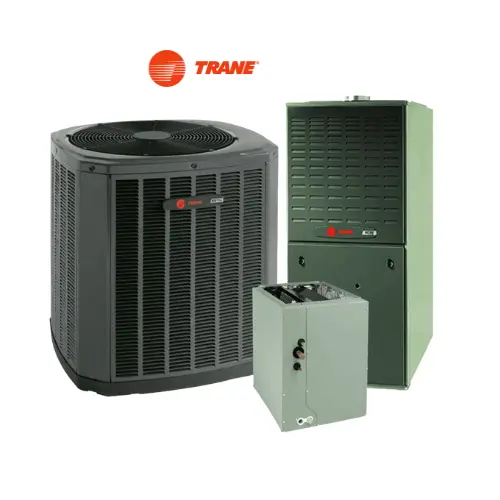
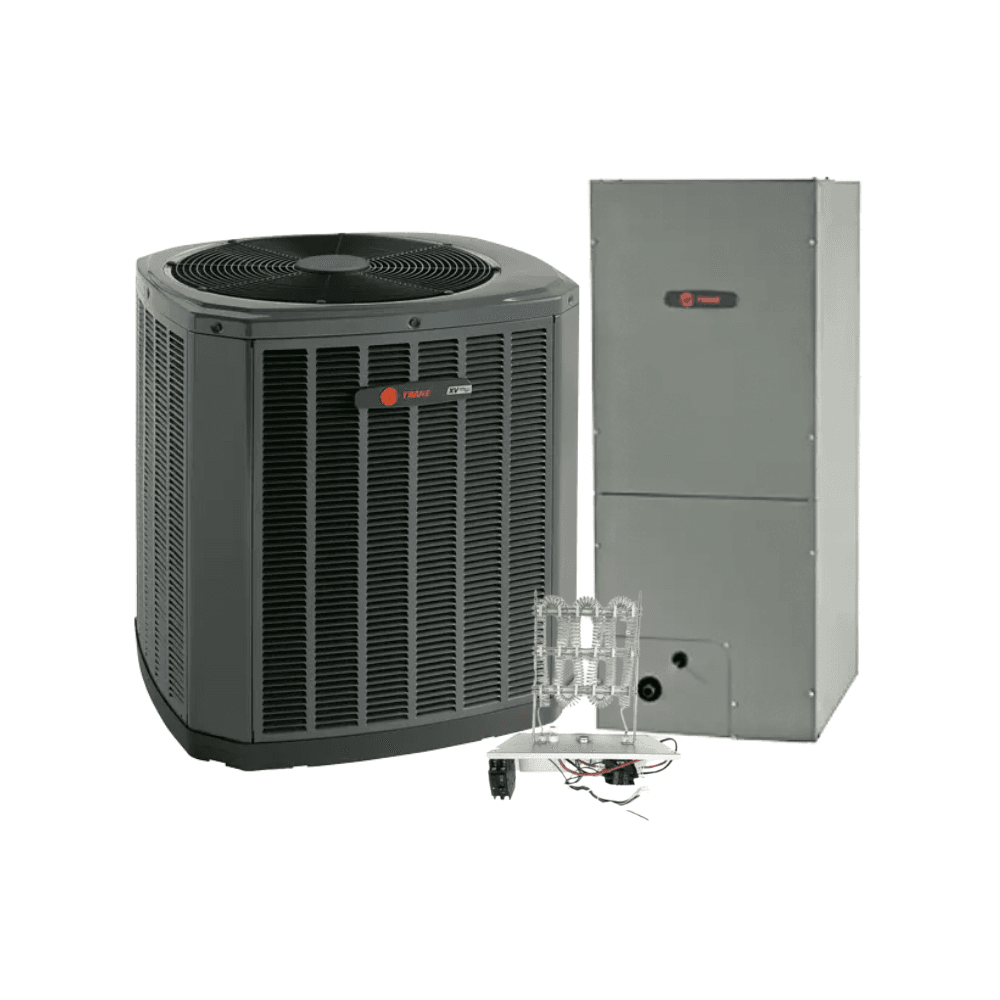
Compare repair costs with a new Trane system.
Dallas • Plano • Frisco • Allen • McKinney • Richardson • Garland • Irving • Lewisville • Grapevine • Prosper • Little Elm • The Colony • Fort Worth
