





If you’re a homeowner between Boca Raton and Miami wondering about the cost to install a new air conditioning system, you’re dealing with a unique market. South Florida’s extreme humidity, year-round heat, and strict hurricane codes mean local pricing runs 15-25% higher than national averages. This guide breaks down exactly what you can expect to pay in 2026 for a new ac system, what drives those costs, and how to make smart decisions about your cooling investment.
Quick Answer: Typical AC Installation Cost in South Florida
For a new central ac system including the ac unit, labor, and basic materials, South Florida homeowners should budget between $6,500 and $14,000 in 2026. Most single-family homes in this region land around $8,500 to $11,000 for a standard replacement assuming existing ductwork in fair condition.
Here’s how costs typically break down by system size:
- 2-ton central AC for a small Boca Raton condo: $6,500–$8,500 installed
- 3-ton system for a 1,800–2,200 sq ft Fort Lauderdale home: $8,500–$11,500 installed
- 4–5-ton high-efficiency system for a larger Miami home: $11,000–$16,000+ depending on efficiency rating and ductwork needs
These figures reflect 2026 estimates accounting for 4-6% annual inflation in HVAC materials and labor since 2023. The humid, hot South Florida climate pushes systems to run 8-10 months annually, and stricter coastal codes in Miami-Dade, Broward, and Palm Beach counties require specialized equipment that adds to baseline pricing.
Keep in mind that these prices assume your existing ductwork is in fair condition. If you need a full new duct system, expect to add $4,000–$10,000+ depending on home size and attic accessibility. The only way to get an exact price is through an in-home assessment and manual j load calculation from a licensed hvac contractor.
Understanding the Types of AC Systems You Can Install
When we talk about ac installation, we’re actually discussing several different system types. Each comes with different price points and varying suitability for South Florida’s demanding climate.
Central Split Systems
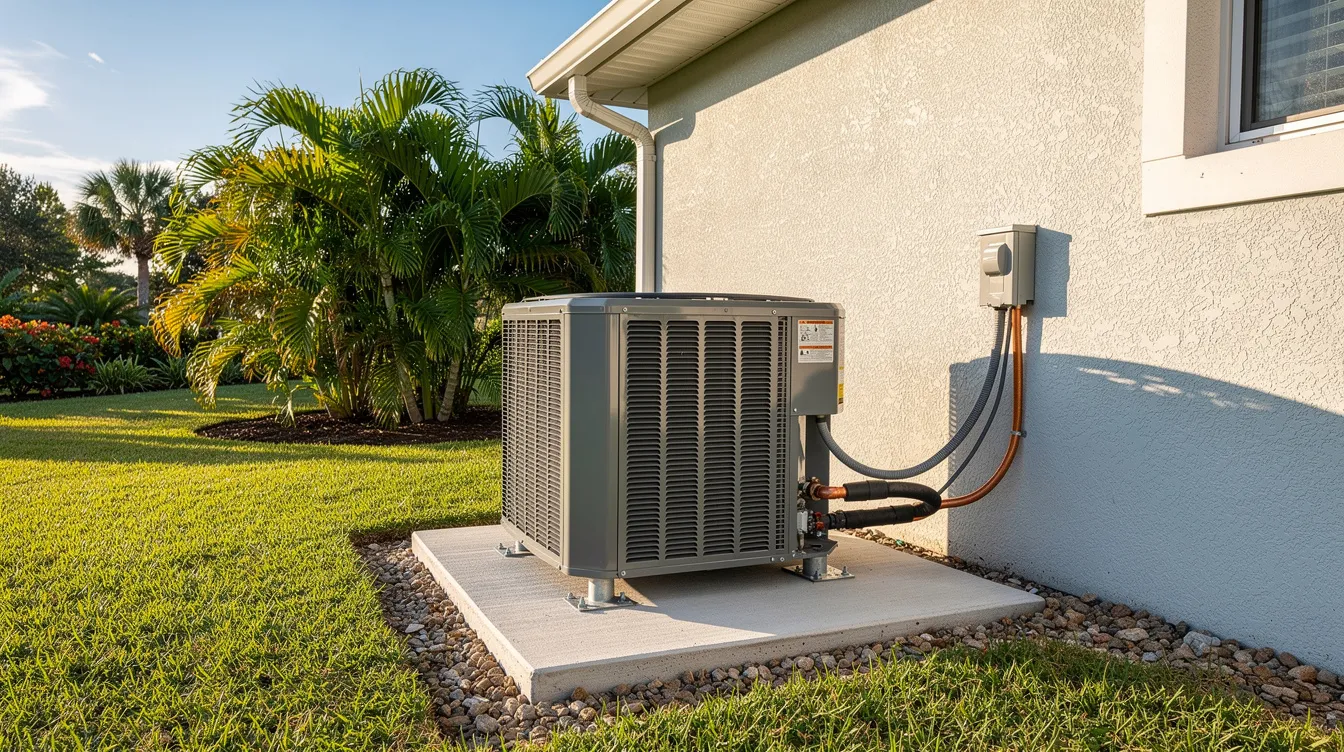
These dominate the Boca Raton to Miami corridor, making up over 70% of residential installs. A central air conditioning system pairs an outdoor unit (condenser) with an indoor air handler connected by refrigerant lines and ductwork. This setup works well for homes built after the 1960s that already have duct infrastructure.
Ductless Mini Split Systems
These work well for additions, townhomes, or older Miami bungalows built before 1950 that lack ducts. Single-zone ductless mini split systems let you cool specific areas without the $4,000+ expense of installing new ductwork. Indoor units mount on walls and connect to a single outside ac unit.
Heat Pump Systems
An air source heat pump provides both heating and cooling, making it increasingly popular in newer South Florida homes. Given the mild winters (rarely below 50°F), these hybrid heat pump systems offer superior dehumidification with variable speed compressors.
Packaged Rooftop Units
Common for low-rise multifamily buildings or light commercial properties along US-1 and A1A, these units house all components in a single outdoor unit on the roof.
Window units and portable ac units cost under $1,000 but fail against South Florida’s hurricane winds and humidity challenges, making them unsuitable for whole-home cooling.
Typical 2026 Installed Cost Ranges:
- Central split AC: $6,500–$14,000+
- Ductless mini-split (single zone): $4,000–$7,500
- Multi-zone ductless systems: $8,000–$20,000+
- Air source heat pump (whole house): $8,000–$18,000
Salt air exposure, high humidity, and hurricane requirements all influence which materials make sense. Coastal installations often require coated evaporator coils, hurricane pads with tie-downs, and UV-resistant line sets.
Key Factors That Affect AC Installation Cost in South Florida
Price varies widely based on your specific home and project requirements. Understanding these cost drivers helps you anticipate what your final price might look like.
Main factors affecting your total cost:
- System size (tons/BTUs) based on square footage and layout
- SEER2 efficiency rating and features like variable speed technology
- Condition and layout of existing ductwork
- Electrical capacity and potential panel upgrades
- Accessibility of air handler location (attic, closet, garage)
- Outdoor unit placement and any crane requirements
- Local code requirements in your specific county
For example, tight Miami Beach lots may require crane lifts or complex line set routing, adding $500+ to labor. Older homes in East Fort Lauderdale often need significant electrical upgrades and duct repairs that weren’t in the original estimate.
Coastal homes within a mile of the Atlantic typically require copper components over aluminum because salt air pits standard coils twice as fast, reducing lifespan from 12-15 years to just 7-10 years.
Home Size, Layout, and Cooling Load
Understanding british thermal units and tonnage helps you evaluate quotes. One ton of cooling capacity equals 12,000 BTUs per hour—the amount of cooling power needed to handle a certain heat load.
In South Florida’s demanding conditions, you need more cooling capacity per square foot than in cooler climates. Here are rough 2026 sizing guidelines:
- 1,000–1,300 sq ft condo: 2.0–2.5 tons
- 1,400–2,000 sq ft single-story home: 2.5–3.5 tons
- 2,000–2,800 sq ft two-story home: 3.5–4.0+ tons
These are ballpark ranges only. Insulation levels, ceiling height (many newer Boca developments have 10-12 ft ceilings adding 15-20% to load), window area, and sun exposure all affect your actual needs.
Oversizing is a common problem affecting roughly 25% of South Florida installs. An oversized air conditioning unit short-cycles, failing to run long enough to properly dehumidify your living space. The result? Clammy, humid indoor conditions despite cool air temperatures, plus 20% higher energy bills.
Consider this comparison: A well-insulated 2,000 sq ft Weston home with spray foam and low-E windows might only need 3 tons. An older 2,000 sq ft Coral Gables home with single-pane windows and poor sealing could require 4 tons for the same comfort level.
This is why a professional manual j load calculation is non-negotiable before finalizing system sizing, and why tools that estimate potential energy savings from higher-efficiency HVAC upgrades can be so valuable when you’re comparing options.
Efficiency (SEER2 Ratings) and Long-Term Operating Cost
The seasonal energy efficiency ratio (SEER2) measures your system’s efficiency under real-world conditions including humidity. Florida mandates a minimum 14.3 SEER2 as of 2026, higher than many states.
Typical SEER2 ranges installed in South Florida:
- Code-minimum systems: 14.3–15.2 SEER2
- Mid-range comfort systems: 16–18 SEER2
- High-end energy efficient systems: 19+ SEER2 with variable speed compressors
Each efficiency tier increases upfront cost by $1,000–$4,000, but higher efficiency systems cost less to operate. In a region where AC runs nearly nonstop from May through October, those energy savings add up quickly.
For example, upgrading from an old 10 SEER unit to a 17 SEER2 system in a 2,000 sq ft Hollywood home yields approximately 41% lower energy consumption. At current FPL rates around $0.14/kWh, that translates to $300-600 annual savings—payback in 6-8 years while enjoying better comfort immediately.
Beyond lower energy bills, energy efficient HVAC systems with professional installation provide superior humidity control. They run longer at lower speeds, maintaining 50-55% indoor humidity versus the 60%+ common with basic systems. This prevents mold growth and eliminates musty odors that plague 70% of humid South Florida homes with older equipment.
Matching or Replacing Your Indoor Equipment
Your outdoor condenser and indoor air handler must be properly matched for the central air conditioning unit to function correctly and meet warranty requirements. This becomes especially important when replacing systems that used R-22 refrigerant, which was phased out between 2010-2020.
If your South Florida home was built before 2010, replacing just the outdoor unit usually isn’t allowed or advisable. Mismatched coils void warranties and fail to meet current refrigerant codes. Plan on replacing both pieces.
Typical costs for indoor equipment replacement:
- 3-ton air handler replacement: $3,000–$7,500 depending on configuration
- Adding heat strips to straight-cool systems: $200-400 installed
There are two main configurations to understand:
Straight cool with electric heat strips remains common in coastal condos where heating demands are minimal—maybe $200/year in heat costs.
Heat pump air handlers provide both heating and cooling modes with 300% efficiency for heating, making them increasingly popular in newer Boca Raton developments.
For example, upgrading a 3-ton straight-cool system in Pompano Beach runs approximately $9,000 total, while upgrading to a 3-ton heat pump system in Boca Raton costs around $11,500 but adds dual-function value and better part-load efficiency.
Ductwork and Airflow: A Major Hidden Cost
Older South Florida homes built between the 1950s and 1980s in Miami, Hollywood, and Pompano Beach often have undersized or leaky ducts that undermine comfort and energy efficiency. These aging systems can lose 20-30% of conditioned air before it reaches your living space, forcing your new ac system to work harder while delivering worse results.
Ductwork cost scenarios in this region:
- Minor duct repairs and sealing: $600–$1,500
- Partial duct replacement or rerouting: $1,500–$4,000
- Full new duct system (1,500–2,500 sq ft home): $4,000–$10,000+
Proper airflow from updated ductwork delivers multiple benefits. It reduces those frustratingly hot upstairs rooms in Miami townhomes, prevents sweating ducts and ceiling stains from condensation, extends equipment life by 3-5 years, and improves dehumidification by 30%.
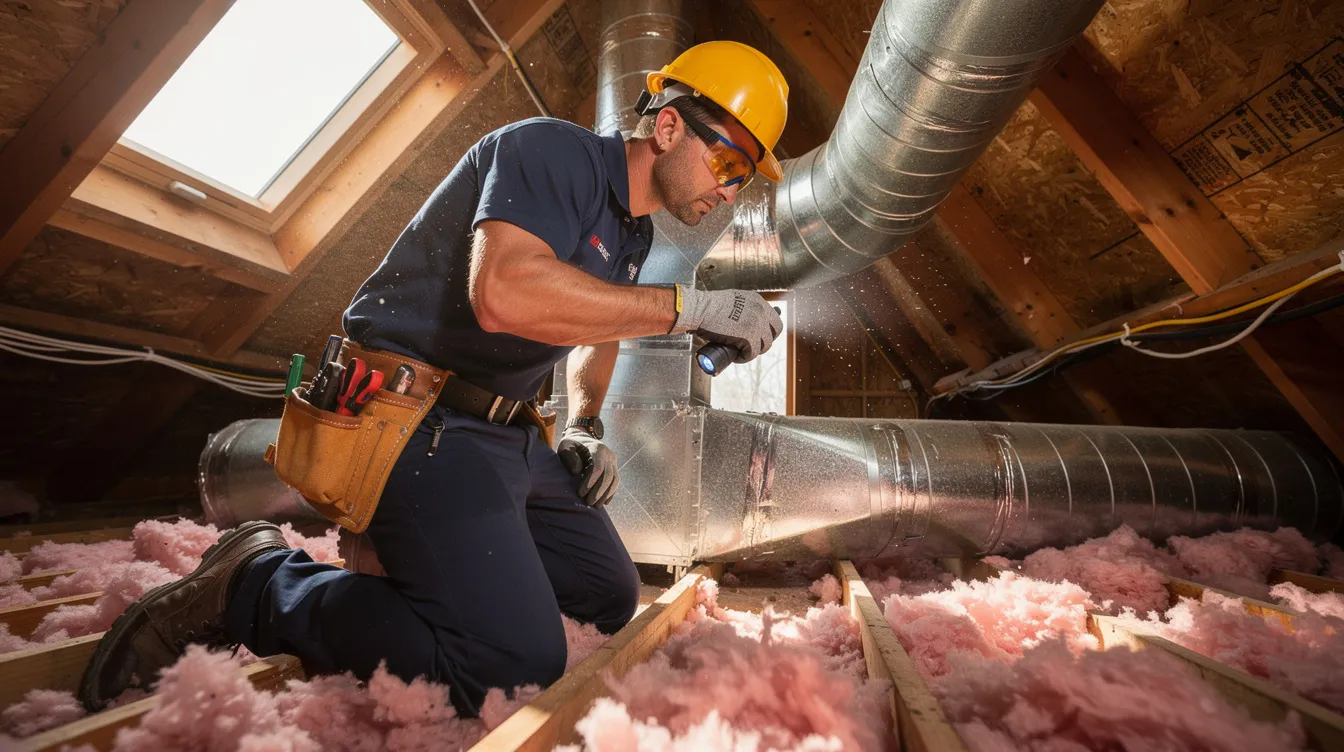
Many older ducts in South Florida attics suffer from mold, water damage from prior roof leaks, or insulation breakdown from extreme attic heat (often reaching 80°F+). These conditions can push replacement cost to the higher end.
For homes where new ductwork is prohibitively expensive, ductless mini split systems offer a cost-effective alternative, especially when paired with a properly sized and maintained outdoor AC condenser unit. This is particularly true for older Miami Beach properties or Little Havana bungalows where running new ducts would require extensive renovation.
Detailed Cost Breakdown: Equipment, Labor, and Extras
Understanding how your total cost is built up helps you evaluate contractor quotes and identify potential red flags, just as a detailed HVAC installation cost guide for homeowners does for other metro areas.
2026 Equipment Cost Ranges (South Florida):
- 2–2.5 ton system equipment: $3,500–$6,000
- 3–3.5 ton system equipment: $4,500–$8,000
- 4–5 ton system equipment: $6,000–$11,000+
These ranges vary significantly based on SEER2 rating and brand tier. A basic 14 SEER2 Goodman system costs considerably less than a premium 20 SEER2 Carrier or Trane coastal series with galvanized cabinet.
Labor and Permits:
- Labor for straightforward ac replacement: $2,000–$5,000
- City/county permits (Miami-Dade, Broward, Palm Beach): $150–$700
Common Add-On Costs:
- New smart thermostat (Nest, Ecobee): $250–$750 installed
- Condensate pump or drain redesign: $300–$700
- Hurricane-rated condenser pad and tie-downs: $200–$600
- Electrical upgrades (disconnect, breaker, circuit): $300–$1,500+
- UV-resistant line set replacement: $500–$1,500
When comparing quotes, ensure each contractor itemizes these components separately rather than bundling everything into one opaque number—similar to how transparent new AC unit pricing guides for other regions break out equipment, labor, and extras.
Labor and Installation Complexity
Labor costs run higher in humid coastal environments due to challenging attic conditions, code inspections, and hurricane requirements. Licensed HVAC technicians in this area typically charge $90–$200+ per hour depending on company and specialization, with full hvac replacement taking 6–14+ hours.
Factors that increase labor costs:
- Tight air handler closets common in condos and townhomes
- Attic installations with limited access hatches
- High-rise condo work requiring building management coordination
- Drain line redesign to prevent backups and ceiling leaks
- Second-story installations requiring condensate pumps
Don’t forget inspection scheduling with local building departments. The City of Miami, City of Boca Raton, and Fort Lauderdale all have different timelines. Reinspection delays can extend project completion by 1-2 weeks during peak season.
Electrical, Condensate Drain, and Line Set Considerations
Electrical safety and proper drainage are critical in a climate with daily summertime thunderstorms and constant humidity. Many older homes need electrical upgrades to support modern hvac systems.
Typical electrical tasks and costs:
- Upgrading breakers, disconnects, and wiring: $300–$1,500+
- Running new dedicated circuit for air handler: $500–$2,000
- Panel upgrades in pre-1980s homes: $1,000+
Condensate drain work:
- Replacing or re-routing drains to code: $300–$750
- Installing condensate pumps for second-story handlers: $350–$600
Line set (refrigerant piping) replacement is often recommended when switching refrigerants or relocating equipment, running $500–$1,500 depending on length and access. UV-resistant insulation and line set protection matter here—South Florida’s intense sun and storms degrade unprotected materials quickly.
Local Codes, Permits, and Hurricane Requirements
South Florida operates under some of the strictest building codes in the United States, particularly Miami-Dade County’s High-Velocity Hurricane Zone (HVHZ) requirements. These regulations exist for good reason but do add to your installation cost.
What you need to know:
- Permits are always required for central ac system changeouts in Miami-Dade, Broward, and Palm Beach counties
- Approval timelines range from 3-14 days depending on municipality and season
- Miami-Dade HVHZ mandates 170 mph wind-rated equipment and tie-downs
- Flood zone properties may require elevated condenser placement
Hurricane-specific requirements include wind-rated condenser pads, corrosion-resistant tie-downs, and in some areas, elevation above flood levels. Complying with the Florida Building Code and local amendments typically adds $200–$800+ in materials, permitting, and inspection time versus areas with lighter regulations.
Always confirm your hvac contractor pulls proper permits and provides inspection sign-offs. This matters for insurance claims and future resale. Unpermitted installations—estimated at 15% of work in this region—can cause insurance denial after storm damage or require costly rework when selling your home.
Incentives, Rebates, and Ways to Save on AC Installation
While South Florida installs aren’t cheap, several strategies can help manage your investment.
Available incentives:
- Federal tax credits: 30% credit up to $2,000 for qualifying high-efficiency heat pump systems (IRA extended through 2032)
- FPL rebates: $500–$1,500 for certain SEER2 levels (ZIP-specific, check current programs)
- Seasonal timing: Scheduling ac replacement in late winter or early spring (January-March) before the May-September rush can yield 10-15% labor savings and better availability
Getting the best value:
- Obtain 3+ quotes from licensed, insured contractors in the tri-county area
- Request line-item breakdowns showing equipment, labor costs, permits, and extras separately
- Ask about warranty details (parts and labor) and maintenance plan discounts
- Compare identical specifications, not just total cost
Consider upgrading home insulation, sealing windows, and using ceiling fans. These improvements can allow for smaller system sizing, reducing both upfront ac unit cost and long-term energy costs.
Financing and Payment Options
Many South Florida homeowners finance ac replacement due to the high upfront cost and year-round reliance on their cooling system.
Common financing options:
- 0% or low-interest promotional financing through HVAC contractors (12–72 month plans)
- Home improvement loans or lines of credit
- Credit card financing (caution advised due to higher interest rates)
To illustrate: financing a $10,000 new hvac system over 5 years at 5% interest equals approximately $189/month. The same system on a 0% promotional plan runs about $167/month.
Always compare financing offers based on total interest paid over the loan term, not just monthly payments. A lower monthly payment spread over more years often costs significantly more overall.
Is It Time to Replace, or Should You Repair Your Existing AC?
AC systems in the Boca Raton–Miami corridor work harder than almost anywhere in the country—8-10+ months of heavy use annually. This aggressive duty cycle affects lifespan and repair decisions.
Typical central air conditioner lifespan in South Florida:
- 10–15 years in standard conditions
- 8–12 years near the coast due to salt corrosion
Units older than these ranges are strong candidates for hvac replacement regardless of current condition.
When to replace vs. repair:
- Replace when major repair cost exceeds 30-40% of new system price
- Replace after multiple breakdowns in one cooling season
- Replace when chronic humidity or comfort issues persist despite repairs
Homeowners dealing with frequent breakdowns or comfort issues can often recognize patterns similar to those in guides that explain why an air conditioner won’t cool or blows warm air.
Common costly repairs and 2026 price ranges:
| Repair | Typical Cost |
|---|---|
| Compressor replacement | $2,500–$4,500 |
| Evaporator coil replacement | $1,500–$3,000 |
| Condenser coil replacement | $1,200–$2,500 |
| When these repairs approach $2,000+ on a system past its expected lifespan, replacement cost makes more financial sense. |
Benefits of replacement beyond fewer repairs:
- 30-50% lower FPL bills with modern energy efficient models
- Better humidity control preventing mold and musty odors
- Improved indoor air quality
- 5% home value boost for resale, especially attractive to buyers relocating from colder states
Choosing the Right HVAC Contractor in South Florida
Correct installation matters as much as equipment brand for performance and longevity. Even premium air conditioner equipment fails prematurely when installed incorrectly.
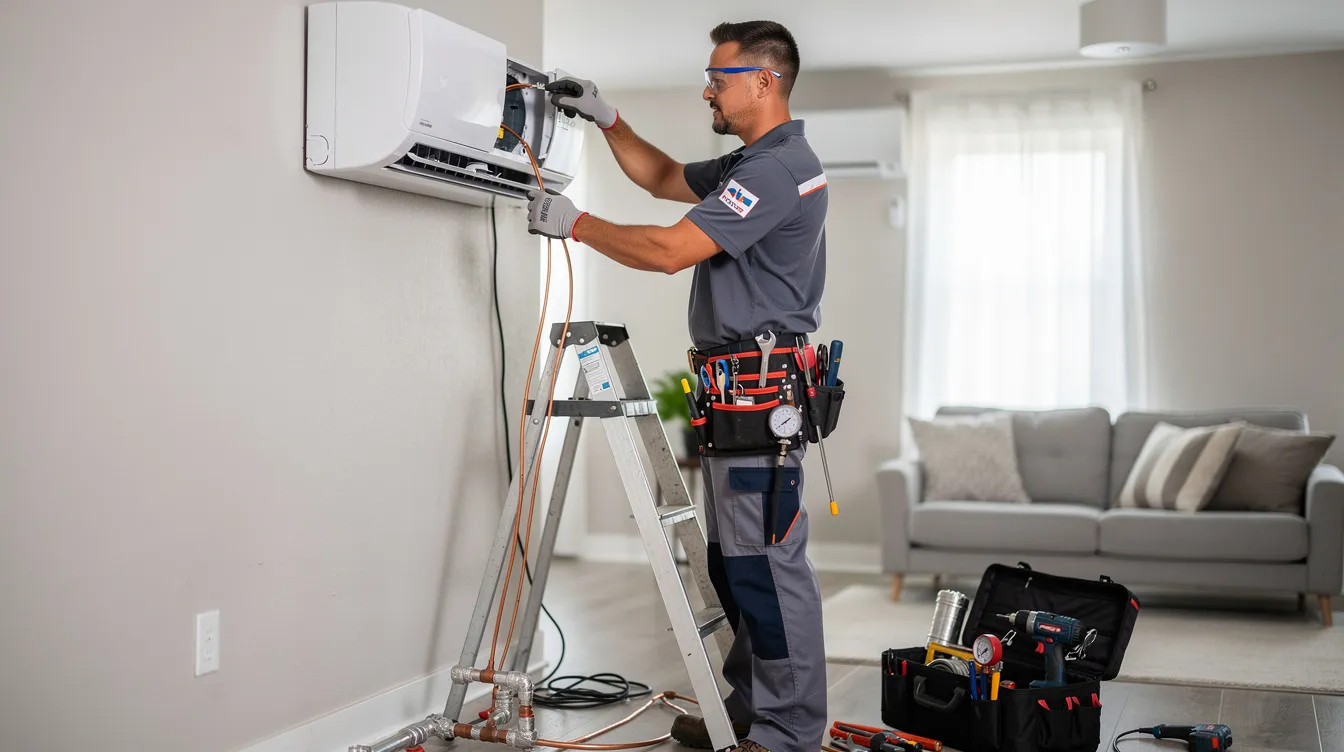
What to look for in a contractor:
- Valid Florida HVAC license (RAC prefix) and adequate insurance
- Experience with coastal installations, high-rise condos, and hurricane code requirements
- Willingness to perform a load calculation, inspect ducts, and discuss SEER2 options—not just quote tonnage
- Transparent, written estimates with all permit, labor, and equipment costs itemized
- Clear warranty terms covering parts (typically 10 years) and labor (typically 1-5 years)
Red flags to avoid:
- Contractors who refuse to pull permits
- Quotes dramatically lower than others without explaining scope differences
- No discussion of drain lines, electrical needs, or existing infrastructure condition
- Sizing based on “rule of thumb” rather than proper calculation
- Pressure to decide immediately without time to compare
The average cost you pay matters, but the final price of a poorly installed system includes years of higher energy consumption, premature hvac repair calls, and early replacement.
If you’re ready to get an accurate, project-specific cost to install your new air conditioning system, schedule an in-home assessment with a licensed South Florida contractor. Ask for a detailed written estimate that breaks down equipment, labor, permits, and any needed upgrades. That’s the only way to know your true total cost and ensure your new system delivers the comfort and energy savings you’re paying for.