

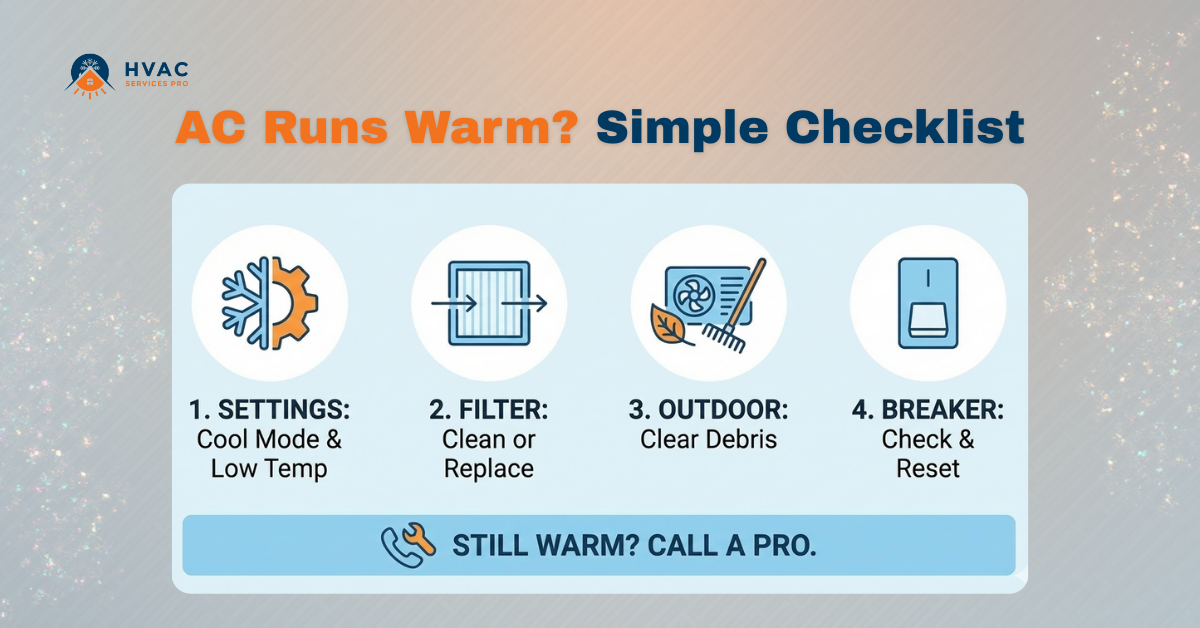
Last Tuesday, a Plano homeowner called me in a panic because her living room had hit 85°F. Her AC was running, but the air was warm. This issue often occurs due to a dirty air filter, clogged condenser or evaporator coils, or low refrigerant due to a leak.
To fix the ac cooling issue, all I did was replace a simple air filter clogged with North Texas dust.
Most cooling issues in North Texas are just safety switches turning the AC off to protect your home from bigger problems like flooding or electrical damage.
When your AC runs but the air is warm, it’s usually a clogged drain tripping a safety switch, a bumped thermostat setting, or a suffocating filter. If the indoor fan runs while the outdoor unit stays silent, you are likely looking at a failed capacitor or a tripped breaker.
I know it sounds overwhelming. But before you settle in for a long time, take a look at these issues and simple fixes to achieve a comfortable temperature before the sun even sets.
Key Takeaways
|
1. Is Your Thermostat Set to the Wrong Fan Mode?
If your fan is set to On, the blower runs 24/7. It will blow room-temperature air even when the outdoor unit is resting. I often see this lead to a sticky feeling indoors because the system is not actively removing humidity.
These basic HVAC repair troubleshooting steps can save you from unnecessary stress before calling a pro.
You can easily fix it by sliding your fan switch from ON to AUTO. You should feel the air get colder once the next cooling cycle kicks in.
I recently helped a family in Frisco who thought their AC was broken; switching to AUTO allowed their system to cycle properly and restored their comfort in minutes.
Moreover, if you just installed a new smart thermostat and your AC is now blowing hot air, especially if you have a heat pump, you likely have a software mismatch.
Check your O/B wire settings in the thermostat menu. In Texas, if this setting is reversed, your system will think Cool means Heat. Switching from O to B (or vice versa) usually fixes this in seconds.


2. Is Your AC Air Filter Dirty?
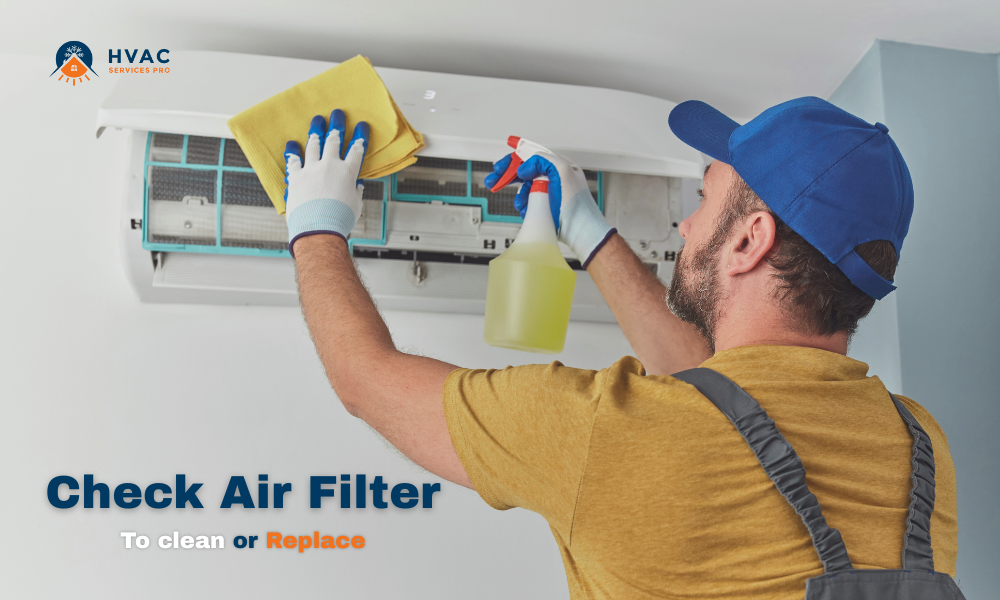
Sometimes the air is warm because the air filter is dirty and greasy. It is important to keep it in check when you change your air filter. Replace your air filter if it looks gray or dusty.
Your AC needs to breathe to pull heat out of your home. A clogged filter acts like a wall. In my experience, this lack of airflow causes the indoor coils to freeze into a block of ice, halting cooling until it melts.
A gray or dusty filter can cause indoor coils to freeze. Replacing that clogged filter with a clean one is the quickest way to save energy, reducing your unit’s power consumption by 5% to 15% instantly.
Following a consistent AC repair checklist for homeowners can help you avoid these preventable airflow blockages.
To replace the filter, slide out the old filter and pop in a new one with the airflow arrows pointing toward the unit. If you see ice on the pipes, turn the AC off for a full day to let it melt.
3. Is a Clogged Drain Line Slipping Your Safety Switch?
If the thermostat and filter are working properly, check the drain. Clear your drain line if you see water in the emergency pan under your unit.
Your AC pulls gallons of water from our humid air. This water travels through a PVC pipe that is often clogged with algae. To prevent flooding, a float switch will shut off power to your outdoor unit while your indoor fan keeps blowing.
Professionals can identify these blockages in the first visit diagnostic process. If the blockage is deep within the internal ducts, you may actually need a professional air duct cleaning to restore the system’s hygiene and airflow.
I recommend using a wet/dry shop vac on the outdoor end of the PVC pipe to suck out the clog. You can also pour a cup of distilled vinegar into the drain line access T to keep it clear.
For example, in many Dallas attics, a simple $5 gallon of vinegar used twice a year is the best way I know to avoid a $200 emergency service call for a clogged line shutdown.


4. Does Your Outdoor Unit Have Power or a Bad Capacitor?
Check for a tripped circuit breaker or a humming sound from the outdoor unit.
Your outdoor unit needs a massive burst of energy to start, which comes from the capacitor. In our 100°F+ summers, these parts often fail. Additionally, a thunderstorm can trip your AC’s dedicated breaker, leaving you with only an indoor fan running.
If you find yourself needing a component replaced, I prioritize a transparent repair pricing model so you know exactly what to expect before the work begins.
To check your electrical panel for a tripped breaker, you need to flip it fully OFF, then back ON. If you hear a loud hum outside but the fan is not spinning, you likely need a professional AC repair to replace the capacitor or check the contactor.
At HVAC Services Pro, we often find that a quick capacitor swap is all it takes to get the cooling back online. We also noticed that capacitor failure accounts for nearly 70% of AC not cooling calls during the first heatwave of the year.
However, if you hear a loud hum from the area labeled compressor but the condenser fan is not spinning, the system is drawing high amperage. Identifying these parts helps you communicate exactly what’s happening when you call a professional.
5. Is Your AC Air Cold Enough?
If other AC parts are working, measure the temperature difference between the air entering your intake and the air exiting your vents using the Delta T method.
The Delta-T process will tell how hard your system is working. If the gap is too small, you’re likely low on refrigerant.
If it’s too large, you have an airflow problem. Using emergency cooling tips, such as closing all south-facing blinds, can help keep your home’s temperature while you verify these readings.
You can do it by using a digital thermometer and checking the difference. If your result is outside the 16°F–22°F range, it’s time to call in a technician to check your levels.
Additionally, you can follow this calculation to check the levels.
- Intake Air: 78°F
- Vent Air: 58°F
- Result: 20°F difference

6. Are the AC Outdoor Coils Clean?
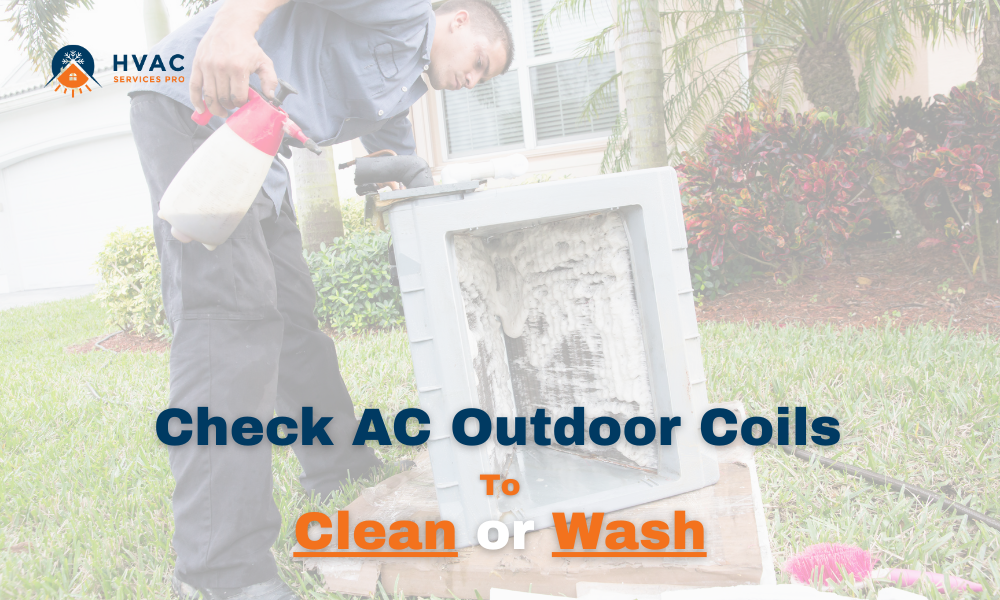
At this point, I will recommend checking the outdoor coils. If they are not clean, gently wash the exterior condenser coils to remove dust and debris that block heat rejection.
Your AC works by moving a chemical called refrigerant between two main components.
- Indoor evaporator coils absorb heat
- Outdoor condenser coils dump that heat into the air.
When cottonwood seeds or grass clippings coat those outdoor fins, they act like a thick sweater. This prevents the refrigerant from cooling back down, forcing your system to run longer and hotter, which can eventually kill your compressor.
However, it forces your system to run longer and hotter, which can eventually kill your compressor. This kind of neglected buildup leads to erosion and corrosion. It can reduce heat exchanger efficiency by 15% to 20% over just five years.
If you notice pooling water under the air handler during this process, it may indicate a secondary drainage issue that needs immediate attention.
In cases where the unit is over 15 years old and the coils are severely corroded, a new AC installation is often more cost-effective than a temporary fix.
If you live near White Rock Lake, I have seen cottonwood fluff get so thick it can double your electricity bill by choking the air intake.
Conclusion
Diagnosing a warm AC is something you can often handle yourself. By following this checklist, you can catch simple mistakes before you spend money on a service call.
North Texas summers are intense, so staying on top of these checks keeps your home a sanctuary.
Whether you need a simple tune-up or more complex maintenance, we have an expert team at HVAC Services Pro to ensure your system stays reliable all season long.
If you are still feeling the heat, book a professional consultation session to get your home back to a comfortable temperature. Call us today!
Frequently Asked Questions
Why does my AC blow cold for 10 minutes and then switch to warm air?
Your system is short-cycling due to overheating from dirty coils or a clogged filter. This activates a safety shutdown; you must then follow the 3-Minute Rule and wait for refrigerant pressures to stabilize before restarting. Starting sooner can cause a permanent compressor burnout.
Why is my heat pump blowing hot air in the middle of summer?
If you are facing this issue, then your reversing valve is likely stuck. This part switches your system between heating and cooling; if it fails or loses power, the system may default to heating mode.
Could a leak in my attic be causing the warm air?
Yes. If a duct has slipped off or torn in your 140°F attic, your AC will suck in that hot air and blow it into your rooms, mixing with the cold air.
My outdoor unit is silent, but the indoor fan is running. What happened?
The float switch might be tripped. If your drain line is clogged with North Texas algae, the switch cuts power to the outside unit to prevent an attic flood.
Is it safe to keep running my AC if the air is warm?
No. Turn it off immediately. Running a warm system puts extreme stress on the compressor, the heart of your AC, which can lead to a total motor burnout.