





2026 California HVAC Prices at a Glance
California HVAC prices are higher than many states because of labor costs, permits, Title 24 energy rules, electrification incentives, and climate-zone requirements. This guide breaks down real-world 2026 pricing for air conditioning, heat pump installation, central ac replacement, and full hvac system upgrades.
Most homeowners in California see quotes from about $8,000 to $28,000+ for a new hvac system, depending on system size, efficiency, ductwork, electrical upgrades, and installation complexity. HVAC Services Pro is writing this from the perspective of a professional hvac contractor, with California-specific pricing realities-not Dallas assumptions.
Key reasons California pricing is unique:
- Higher labor rates, cost of living, and local permit fees affect hvac installation pricing in California.
- California building codes, Title 24 testing, HERS verification, and seismic tie-down rules add steps to the installation process.
- Heat pump demand is rising because of mild winters, electrification goals, and rebate programs.
- Coastal homes, inland homes, and mountain homes often need different systems because every climate zone has different cooling and heating demands.
All ranges below are ballpark averages for 2025–2026. For a precise quote, request an in-home or virtual estimate.
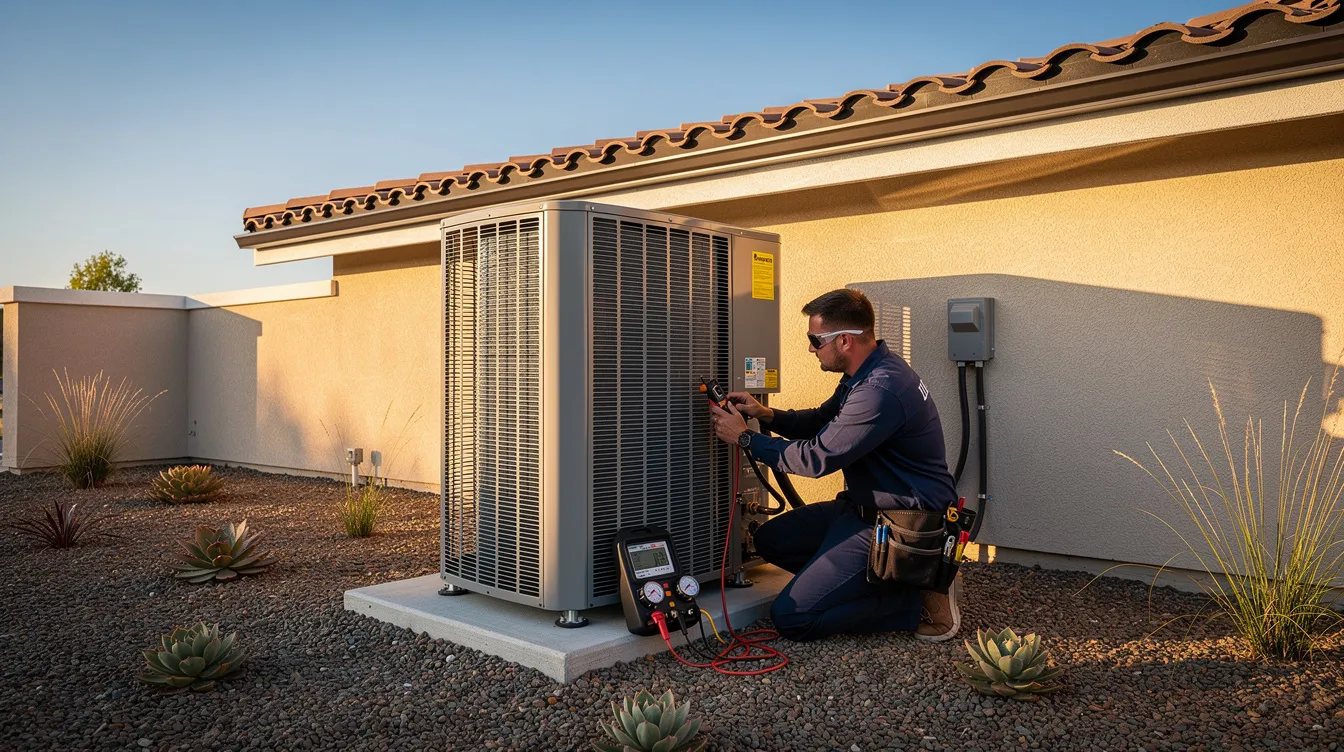
Quick Answer: How Much Does HVAC Installation Cost in California?
How much does a new HVAC system cost in California? Installed prices for typical single-family homes usually range from $8,000 to $28,000+, with some complex projects exceeding $30,000.
- Basic central AC replacement: $8,000–$13,000 for a like-for-like ac replacement with minimal extras.
- Mid-range high-efficiency AC or heat pump system: $13,000–$18,000 for better energy efficiency ratings, newer controls, and standard permits.
- Premium variable-speed heat pump or multi-stage system: $18,000–$28,000+ when the project includes higher SEER2 equipment, ductwork modifications, or variable speed air handlers and advanced air quality upgrades.
Homes needing new ductwork, asbestos abatement, electrical panel upgrades, heavy-duty condenser pads, or complex permits can push the total project cost above $30,000. These ranges typically include equipment, standard labor, basic permits, haul-away of the old unit, and removal of the old air conditioner or furnace where applicable.
California HVAC Price Table: Typical 2026 Installed Costs
California HVAC costs vary by equipment type, efficiency, brand, and scope of work. Dense coastal cities such as San Francisco, Los Angeles, and parts of Orange County may run 10–20% above smaller Central Valley markets because of labor and permit fees.
| Equipment or Work Type | Typical 2026 Installed Cost in California | What Is Usually Included |
|---|---|---|
| Central AC replacement, 3–4 ton SEER2 system | $10,000–$18,000 | Outdoor ac unit, single-stage air conditioner condenser, coil, standard labor, basic permit, old unit haul-away. Central air systems are commonly used in residential settings, providing efficient cooling by distributing air through ducts, with installation costs typically ranging from $5,500 to $12,000 depending on the specific model and installation requirements; in California, the cost to install a central air conditioning system typically ranges from $6,000 to $25,000 depending on system size and complexity. |
| Air-source ducted heat pump | $12,000–$22,000+ | Heat pump, air handler or coil, controls, permit, and standard labor. Heat pumps serve as both heating and cooling systems, making them versatile options for homeowners, with installation costs typically ranging from $6,000 to $25,000 depending on the model and efficiency. | | Gas furnace + central air conditioner combo | $11,000–$20,000+ | Furnace, central air conditioner, coil, thermostat, standard connections, and basic code work. | | Ductless mini-split heat pump | $3,000–$8,000 per zone; $10,000–$18,000+ multi-zone | Indoor head, outdoor condenser, line set, controls. Ductless mini-split systems are increasingly popular for homes, offering zoned cooling without the need for ductwork, with costs ranging from $3,000 to $8,000 per zone. | | Full ductwork replacement | $4,000–$10,000+ | New ducts for a typical 1,500–2,500 sq ft home, sealing, insulation, and testing. | | Electrical panel upgrade, 100A to 200A | $1,500–$3,500+ | Panel, permits, utility coordination, and electrical work; more if trenching or service upgrades are required. | | Smart thermostat or control upgrade | $250–$900 | Thermostat, setup, wiring check, and basic homeowner training. |
HVAC Prices by California Region
Microclimates in California create varied heating and cooling demands, leading to differences in system requirements based on geographic location. HVAC prices in California are influenced by strict state environmental mandates, building regulations, labor rates, and property infrastructure.
- Los Angeles: A 3–4 ton central air or heat pump replacement often runs $10,000–$20,000. Coastal neighborhoods may need corrosion-resistant condensers, while valley homes need more cooling power.
- San Diego: Many homes benefit from heat pumps because of mild winters. Typical hvac replacement quotes often fall between $10,000 and $19,000, depending on permits and existing ductwork.
- Bay Area: Bay Area hvac installation cost california is often among the highest, commonly $12,000–$22,000+ because of older housing stock, strict local codes, and higher labor rates.
- Sacramento: Hot summers increase central ac sizing needs. Expect about $10,000–$19,000 for many 3–4 ton systems, with duct insulation often affecting overall cost.
- Orange County: Pricing is similar to coastal Los Angeles, often $11,000–$21,000 for higher-efficiency systems, especially where HOA rules or condenser placement adds additional costs.
- Inland Empire: Riverside, CA, average cost for hvac replacement runs between $7,000 and $15,000, about 10–15% above national averages due to local labor rates.
- Central Valley: Fresno, Bakersfield, Modesto, and similar markets may price slightly lower than coastal metros, but extreme heat often requires larger systems and better ducts.
Seasonality can impact HVAC costs, with peak demand during extreme weather leading to increased labor costs and scheduling challenges.
Heat Pump vs Central AC in California
Many homeowners are comparing a traditional central air conditioner with a heat pump because of rebates, electrification, and long term savings. A central air conditioner provides cooling only and usually pairs with a gas furnace for heating. A heat pump provides heating and cooling in one unit, which fits many California regions well.
Heat pumps are popular because:
- They work well in climate zones where winter lows are often above freezing.
- High-efficiency heat pump systems often qualify for state program incentives and utility rebates that can significantly reduce installation costs.
- They can reduce gas use if a homeowner wants to decarbonize.
- They may lower monthly energy bills when replacing an old system.
The tradeoff is that a heat pump can be more expensive upfront than a straight ac installation. However, rebates and energy savings may offset $2,000–$8,000 depending on income, program rules, and equipment eligibility. Central AC + gas furnace may still make sense in very cold mountain regions, homes with a newer high-efficiency furnace, or situations where gas remains cost-effective.
What Affects HVAC Installation Cost in California?
The same 4-ton ac system can vary by thousands of dollars from one home to another. The type of HVAC system chosen, including its efficiency rating, can significantly impact the initial investment, with higher efficiency systems typically costing more upfront but offering long-term savings.
Key cost drivers include:
- Home size and layout: Square footage, insulation, window area, and number of stories affect the load calculation.
- Tonnage and system type: The size of the HVAC system, measured in tonnage, directly influences installation costs, with larger systems generally costing more due to increased cooling capacity.
- SEER2/HSPF2 rating: The efficiency of HVAC systems is often measured by the Seasonal Energy Efficiency Ratio (SEER), with higher SEER ratings indicating better energy efficiency, which can lead to significant savings on utility bills over time.
- Title 24: California’s strict Title 24 building codes require the use of high-efficiency equipment with specific energy ratings and compliance testing. In California, Title 24 building codes require new HVAC systems to achieve minimum SEER2 ratings, generally higher than previous standards.
- Ductwork condition: Leaky or undersized existing ductwork may require repairs, ductwork modifications, or new ductwork. The condition of existing indoor and outdoor components, such as ductwork and electrical systems, can affect overall installation costs, as repairs or replacements may be necessary.
- Access and complexity: Tight attics, crawlspaces, and multi-story homes increase labor hours. Labor costs for HVAC installation can vary significantly based on the complexity of the installation, with more intricate jobs requiring higher labor rates.
- Electrical capacity: Older 60A–100A panels may need electrical upgrades for larger heat pump systems.
- Code testing: California’s Title 24 energy compliance requires performance testing, which often includes duct sealing audits and HERS verification.
- Seismic requirements: California installations must adhere to seismic codes that require specific equipment tie-downs and heavy-duty condenser pads.
- Refrigerant and corrosion: Coastal salt air can shorten equipment life, and low-GWP refrigerants require trained handling.
Highly efficient HVAC systems with SEER2 ratings above 16 typically have higher upfront costs but provide energy savings. Higher energy efficiency ratings, such as SEER (Seasonal Energy Efficiency Ratio), indicate that an HVAC system consumes less energy for the same cooling output, leading to lower utility bills over time. Upgrading to a higher SEER-rated unit can lead to significant energy savings, and using an energy savings calculator can help estimate how much a newer, efficient HVAC system might reduce your utility bills compared to an older unit.
3 Ton, 4 Ton, and 5 Ton System Pricing in California
HVAC systems are sized in tons of cooling, but the right system size depends on climate zone, insulation, layout, and square footage-not a simple rule of thumb.
- 3 ton system: Often fits roughly 1,300–1,800 sq ft in temperate coastal or Bay Area homes with good insulation. Installed price: $9,000–$17,000, with options such as a 2.5 ton Trane 15.2 SEER2 heat pump system available for smaller or well-insulated homes.
- 4 ton system: Common for 1,800–2,400 sq ft inland homes. The installation cost for a 4-ton central air conditioning system in California can range from $13,000 to $20,000 depending on installation requirements, especially when paired with a 3–4 ton multi-speed air handler.
- 5 ton system: Often used for 2,400–3,000+ sq ft homes, hotter valleys, or poorly insulated homes. Installed price: $13,000–$24,000+, especially for a 5 ton Trane electric HVAC system with high-efficiency components.
Proper Manual J load calculation and Manual S equipment selection matter because oversizing can increase utility bills, reduce comfort, and create Title 24 issues. For more sizing detail, review our central air installation cost guide, or compare equipment options on our Trane 3 ton, Trane 4 ton, and Trane 5 ton pages. Trane is often positioned as a premium brand, while RunTru and other systems may offer lower first cost, with installed Trane 5 ton AC unit pricing varying by region and project scope.
California Rebates, Tax Credits & Electrification Incentives
Rebates can reduce the cost to replace an air conditioner, furnace, or heat pump, but not everyone qualifies. Rules depend on equipment, income, utility territory, and funding availability.
- Federal tax credits: Qualifying heat pumps may be eligible for up to $2,000 under current federal rules, while homeowners in California can benefit from federal tax credits of up to $600 for installing energy-efficient HVAC systems as part of the Inflation Reduction Act.
- HEEHRA heat pump rebates: Income-qualified households may receive up to about $8,000 toward heat pump HVAC systems, depending on eligibility, state implementation, and funding availability.
- TECH Clean California: TECH incentives can help with heat pump projects, but funds are often reserved quickly.
- Local utility rebates: California offers various rebates for energy-efficient HVAC systems, including up to $1,500 for high-efficiency units under local utility programs. Utility companies such as PG&E, SCE, SDG&E, SMUD, LADWP, and Bay Area CCA programs may also offer $500–$4,000+ for qualified measures.
- Financing: Many HVAC contractors in California provide financing options, including promotional 0% APR periods for 12–24 months. Some homeowners also compare home equity loans for larger projects.
To maximize savings, keep invoices, AHRI certificates, permit numbers, and rebate confirmations. If a rebate portal displays “performing security verification,” “security verification,” “verification successful,” “security service,” “malicious bots,” or “respond ray id,” wait for the site to complete verification before submitting documentation.
R-454B & 2026-Ready HVAC Systems in California
Environmental regulations phased out high-global-warming-potential refrigerants, prompting the use of low-GWP alternatives in newer systems. Many 2026-model central AC and heat pump systems sold in California use R-454B or similar refrigerants instead of R-410A.
What homeowners should know:
- R-454B HVAC systems California are part of the move toward lower-GWP refrigerants.
- R-454B is mildly flammable under the A2L classification, so building codes require proper handling, line-set practices, and ventilation.
- Only a licensed, trained hvac installer should install or service these systems.
- Existing R-410A systems are not compatible with R-454B; conversion usually requires a full equipment change-out.
A 2026-ready SEER2 system can protect comfort, compliance, and resale value better than installing outdated equipment.
Repair vs Replace: When a New System Makes Financial Sense
Many homeowners first ask whether to repair an old ac unit or choose full hvac replacement. Repair can make sense for minor issues, but replacement may be smarter when the old system is inefficient or facing costly repairs.
Consider replacement when:
- The air conditioner or heat pump is 10–15+ years old.
- Repairs are 30–50% of the cost to replace the system.
- The old unit uses R-22 or aging R-410A components.
- The home has higher utility bills, poor comfort, or weak air quality.
- The system has unsafe electrical work, failed heat exchangers, or non-compliant installation.
A qualified hvac contractor can provide both a repair estimate and a replacement proposal so you can compare today’s invoice with long-term lower bills.
FAQ: California HVAC Prices & Installation Questions
How much does a new HVAC system cost in California?
The average cost is about $8,000–$28,000+ installed. Basic ac replacement costs less, while premium heat pump, variable-speed, or multi-zone systems cost more.
Are heat pumps worth it in California?
Yes, for many homes. Heat pumps provide heating and cooling, fit mild winters, and may qualify for rebates. They can be expensive upfront but may reduce gas use and energy bills.
Do California homeowners qualify for HVAC rebates?
Some do. Rebates depend on income, equipment efficiency, utility territory, and program funding. Always verify current rules before buying.
Is central AC or a heat pump better for my home?
Central air may be best if your gas furnace is newer. A heat pump may be better if you want one system, electrification benefits, and potential rebates.
How much does a 4 ton HVAC system cost in California?
A 4 ton system usually costs $11,000–$20,000+ installed. A 4 ton central air conditioner installation with high SEER2 equipment, duct fixes, or electrical work can cost more.
Why is HVAC installation so expensive in California?
California HVAC prices are higher because of labor costs, Title 24 compliance, HERS testing, permits, seismic rules, older homes, and infrastructure upgrades.
Get a Custom HVAC Quote & Explore California Rebates
This guide gives solid ballpark pricing, but every home is different. The final hvac cost depends on ducts, electrical capacity, permits, air handler location, equipment brand, seer rating, and installation complexity.
Use our local AC installation cost calculator to compare options, then request a detailed estimate for central air, ductless mini split, mini split system, gas furnace replacement, or a full heat pump conversion.
HVAC Services Pro helps homeowners compare systems, review extended warranties, explore financing, and understand available rebates. Ask about transparent pricing, 5-year labor warranty options, 10-year parts warranties on qualifying equipment, and code-compliant installation.
Request a Free Quote, Check Your HVAC Installation Cost, or Schedule Your Consultation today.
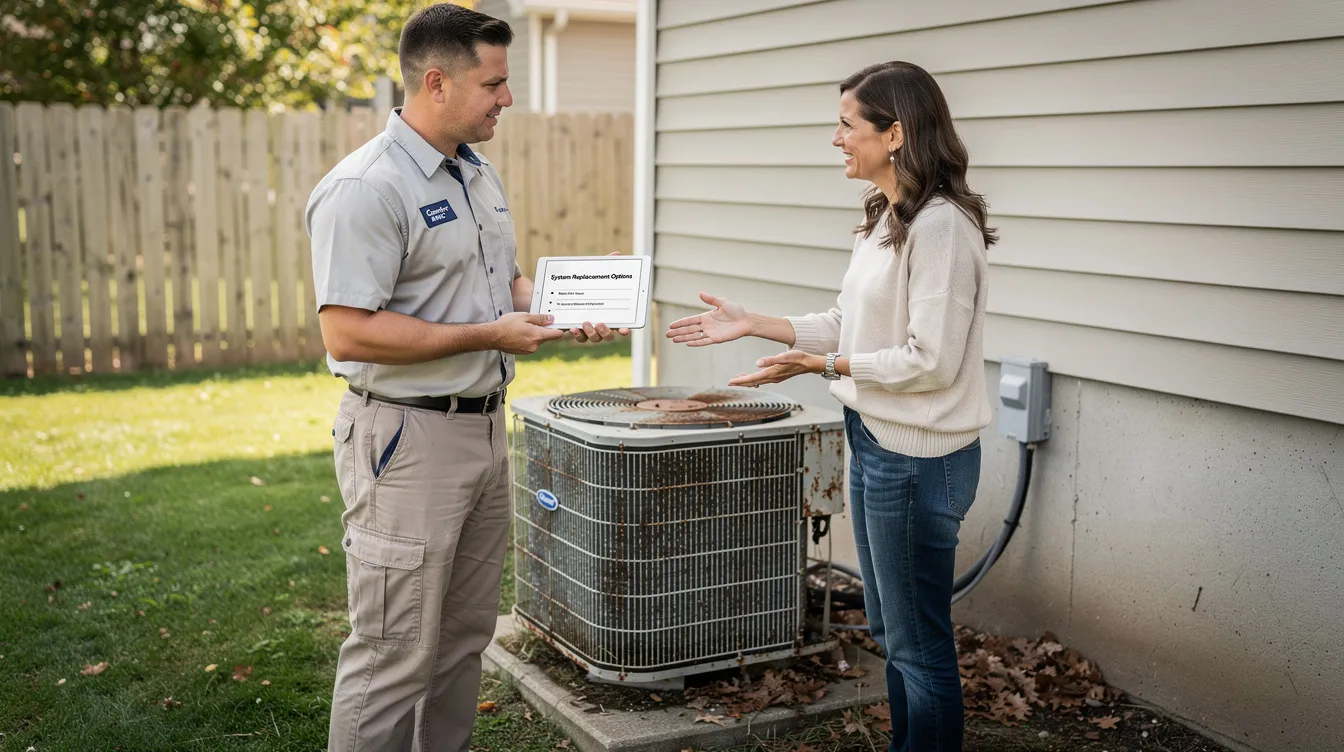
Compare Popular HVAC Systems
Explore energy-efficient HVAC systems for California homes.