





Heat Pump Installation Guide and Cost for Dallas–Fort Worth Homes
If you’re considering a heat pump for your Dallas–Fort Worth property, you’re making a smart move. Dallas–Fort Worth is not only a thriving metropolitan area but also home to DFW Airport, a major international airport serving the city and region. DFW Airport is recognized as one of the busiest airports in the world, underscoring the area’s global significance and connectivity. These efficient systems deliver year-round comfort in our North Texas climate, handling both scorching summers and mild winters without breaking the bank on energy costs. But here’s the catch: the system is only as good as its installation.
This guide walks you through everything you need to know about heat pump installation in the DFW area—from sizing and equipment selection to what happens on installation day and beyond.
Key Takeaways
- A heat pump can replace or work alongside a gas furnace to provide efficient year-round comfort in the Dallas–Fort Worth climate, making it ideal for both heating and cooling needs.
- HVAC Services Pro installs high-efficiency Trane and RunTru heat pumps, often as part of full 4-ton central AC and heat pump system packages for larger homes and small commercial spaces.
- Proper sizing through a Manual J load calculation—not just square footage guesswork—is critical. Studies indicate that approximately 90% of HVAC systems, including heat pumps, are installed incorrectly, leading to significant long-term costs for homeowners.
- A typical installation takes about one full day (4 to 8 hours for professional crews), and we back our work with 5-year labor warranties, up to 10-year parts warranties, and financing on qualifying systems.
- Serving Dallas, Plano, Garland, McKinney, Arlington, and Irving—Request a Free Quote or Schedule Your Installation Today.
What Is a Heat Pump and Why It Works So Well in Dallas
Modern electric heat pumps both heat and cool your home by moving heat rather than generating it. In summer, they pull heat out of your indoor air and transfer it outside. In winter, they reverse the process, extracting heat from outdoor air and bringing it inside. This makes them remarkably efficient for our region’s long, hot summers and relatively mild winters.
The difference between a heat pump system and a traditional AC plus gas furnace setup comes down to versatility. A standard air conditioner only cools, requiring a separate furnace for heating. A heat pump handles both jobs with a single outdoor unit. Many homeowners also opt for dual-fuel configurations, pairing a heat pump with a gas furnace for backup during rare hard freezes.
Heat pumps can deliver up to three times more heat energy than the electricity they consume. In the Dallas–Fort Worth area, where winter lows typically hover in the 30s and 40s °F, high-efficiency heat pumps cover most heating needs without supplemental heat strips kicking in.
| Feature | Heat Pump | Traditional AC + Furnace |
|---|---|---|
| Cooling | Yes | Yes |
| Heating | Yes (electric) | Gas or electric furnace |
| Efficiency | Higher SEER2 ratings | Varies by equipment |
| Operating cost | Often lower in mild climates | Higher gas costs possible |
| Heat pumps are known for their energy efficiency, often achieving higher SEER ratings compared to traditional heating and cooling systems. HVAC Services Pro installs both straight-cool AC systems and heat pump systems—we help you determine which option best fits your property, drawing on our full range of residential and commercial HVAC services. |
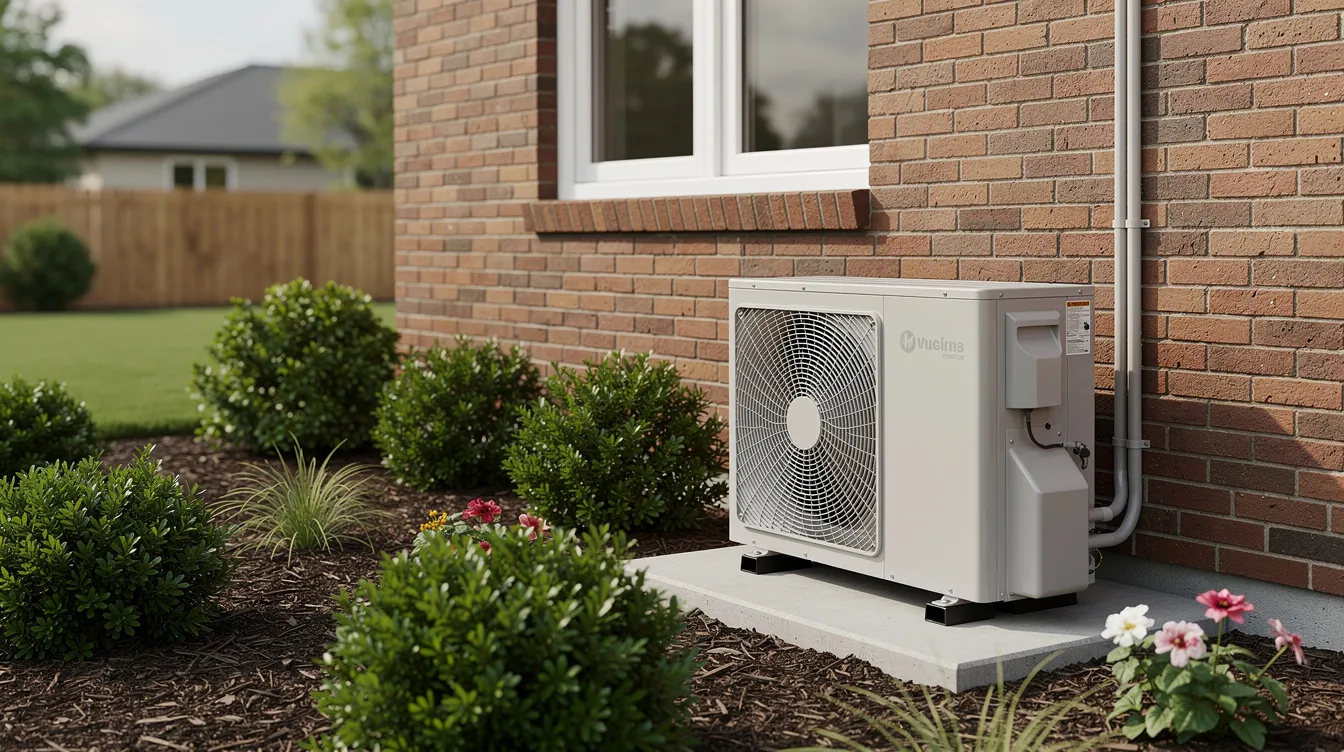
How Heat Pump Installation Works from Start to Finish
Installing a heat pump is more involved than swapping out outdoor units and reconnecting wires. Professional installation of heat pumps is crucial because improper installation can lead to decreased efficiency, higher energy costs, and a shorter lifespan of the system.
The installation process follows distinct phases:
- In-home or on-site assessment
- System design and proper sizing
- Installation day procedures
- Commissioning and testing
- Homeowner orientation
HVAC Services Pro follows manufacturer specifications for Trane and RunTru equipment and complies with all Dallas code requirements for electrical wiring and refrigerant work. We also adhere to specific installation requirements for components like the indoor evaporator coil, ensuring proper connection of refrigerant lines and meeting all manufacturer and safety standards. Cutting corners on any step leads to louder operation, higher bills, and reduced system life.
Pre-Installation Assessment & System Selection
The heat pump installation process begins with a home assessment to evaluate heating and cooling needs, followed by a site assessment to determine the best location for the unit. A licensed HVAC Services Pro technician visits your property to inspect existing equipment, ductwork condition, electrical panel capacity, and available outdoor space.
A professional evaluation is essential to ensure the system will operate efficiently. We perform a Manual J load calculation that factors in insulation levels, window area, orientation, ceiling height, and air leakage—not just square footage.
Here’s a practical example: a 2,000–2,400 square footage Dallas home often ends up with a 3–4 ton heat pump depending on insulation quality and layout, while our guidance for a 1500 sq ft house heat pump size shows how factors like insulation and floor plan change the load. Two seemingly identical homes can require different system sizes based on these variables.
During assessment, we evaluate:
- Single-stage vs two-stage vs variable-speed compressor options
- Matching indoor equipment (air handler or gas furnace)
- Current duct condition and sizing
- Electrical panel capacity for 240V requirements
Heat pumps can vary in design, including single-stage, two-stage, and variable-speed models, which can affect their efficiency and comfort levels. We help customers choose between Trane and RunTru models and select appropriate SEER2 ratings based on budget and goals.
Choosing the Right Size: Tonnage and Square Footage
Sizing a heat pump by “rule of thumb only” (like 1 ton per 500 sq ft) is outdated and often wrong. However, approximate ranges help set expectations.
Proper sizing of a heat pump is crucial for optimal performance and energy efficiency, as an incorrectly sized unit can lead to increased energy costs and reduced comfort. Factors influencing the correct size include square footage, insulation levels, ceiling height, and local climate conditions.
| Home Size | Typical System Size |
|---|---|
| 1,400–1,800 sq ft | 2–3 tons |
| 2,000–2,600 sq ft | 3–4 tons |
| 2,800+ sq ft | 4–5+ tons |
| HVAC Services Pro commonly installs 4 ton central air and heat pump systems in Dallas for larger single-family homes and small commercial spaces, using professional AC and heat pump sizing services rather than rules of thumb. Heat pumps work best in homes with decent attic insulation and air sealing to avoid oversized units. |
Risks of incorrect sizing:
- Oversizing causes short cycling, humidity problems, and premature wear
- Undersizing results in poor comfort during 100°F summer heat waves
- Both waste money and energy costs
A Manual J Load Calculation is recommended to determine the appropriate size, taking into account various parameters beyond just square footage. Final sizing always comes from a full load calculation report.
Installation Day: What Actually Happens
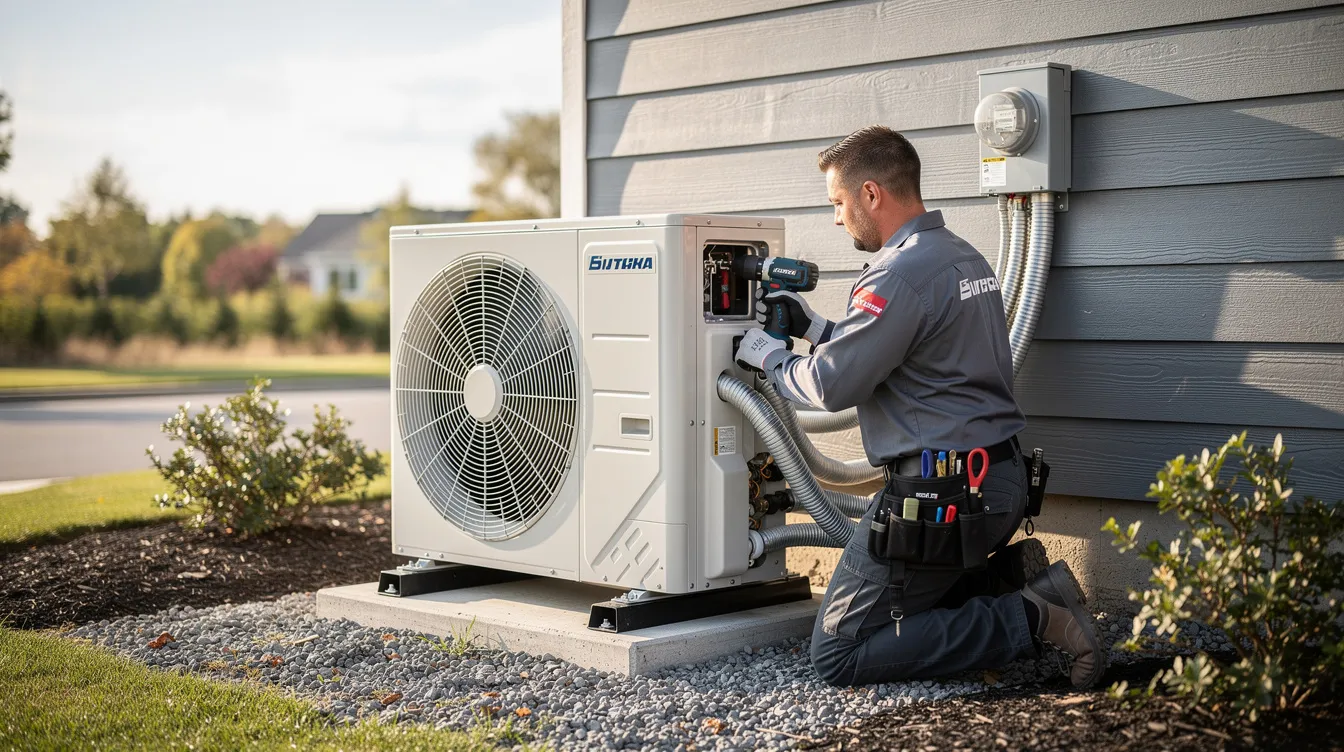
Installing a heat pump typically takes between 4 to 8 hours for professional crews. Most single-system replacements start in the morning and finish by late afternoon, assuming existing ducts and electrical are adequate.
The process unfolds in steps:
- Arrival and walk-through – Technicians confirm scope and protect floors and work areas
- Old equipment removal – The installation process includes disconnecting the old heat pump, which involves safely removing refrigerant and electrical connections according to local safety codes
- Site preparation – The area for the outdoor unit must be prepared, which includes leveling the ground and ensuring proper drainage to prevent water accumulation
- Setting new equipment – Outdoor and indoor units positioned, line set work completed
- Electrical connections – Installing or updating the outdoor disconnect box, verifying breaker sizes and wire gauges
Heat pumps usually require a dedicated 240V circuit, which may necessitate an electrical panel upgrade. We replace or re-use refrigerant lines based on condition and accessibility, pressure-test for leaks, and pull a deep vacuum before charging refrigerant.
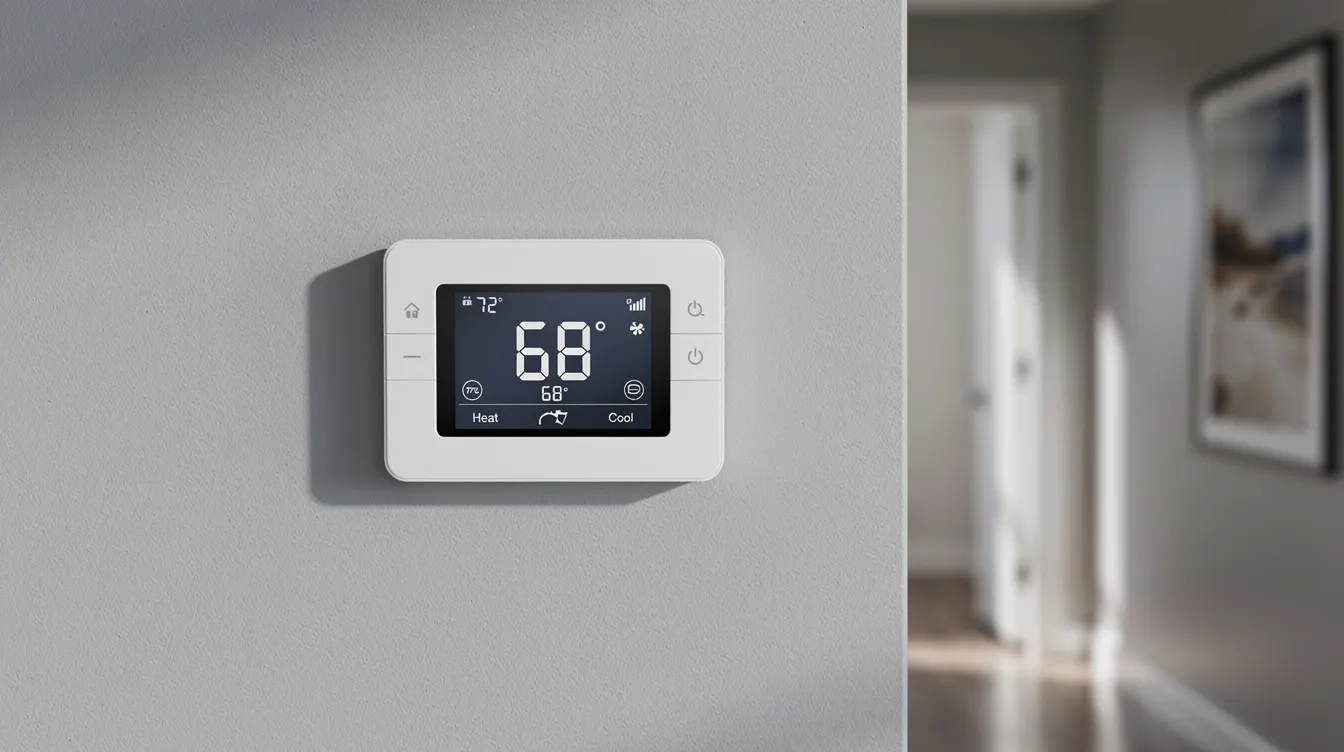
The final steps include programming the thermostat (including heat pump and auxiliary heat settings) and verifying correct airflow in both heating and cooling modes.
Commissioning, Testing, and Owner Orientation
Proper commissioning of a heat pump installation involves running the system for 15-20 minutes to allow refrigerant flow and testing all functions to ensure optimal performance. After the new heat pump is installed, the technician will conduct a thorough testing and calibration process to ensure the system is functioning properly and efficiently.
Key commissioning checks include:
- Supply and return air temperature differentials
- Refrigerant pressures at operating conditions
- Electrical amp draws on compressor and fan motors
- Thermostat communication and mode switching
- Defrost cycle verification
All readings are documented for warranty records. Our technicians walk homeowners through filter location, thermostat basics, and how to switch between normal heat and emergency heat if needed.
We review warranty registration steps, maintenance schedules, and what to watch for in the first few days. This orientation ensures you’re comfortable with your new heat pump system from day one.
Things to Consider Before Installing a New Heat Pump
Good planning before installation has a bigger long-term impact than any single equipment brand choice. Careful planning upfront prevents surprises and ensures optimal performance for years to come.
Key decisions include:
- System type (heat pump only vs heat pump + gas furnace dual-fuel)
- Efficiency level and SEER2 rating
- Noise level preferences
- Indoor air quality options
- Budget and financing approach
Consider local Dallas utility rates, future electricity pricing trends, and available rebates or federal government tax credits available in 2025–2026. Business owners and property managers should also factor in tenant comfort, maintenance access, and roof or ground level space for multiple systems.
Schedule a consultation with HVAC Services Pro to walk through these decisions with a licensed pro.
Efficiency Ratings (SEER2, HSPF2, and ENERGY STAR)
SEER2 measures cooling efficiency—how much cooling output per unit of electricity consumed. HSPF2 measures heating efficiency using similar methodology. Higher numbers mean lower operating costs.
When choosing a heat pump, consider the efficiency rating, which is often measured by the SEER and HSPF ratings, as these indicate how well the system will perform in terms of energy consumption. Units with a high SEER2 rating of 16 or above are recommended for cooling efficiency.
| Efficiency Level | SEER2 Range | Best For |
|---|---|---|
| Base | 14.3–15 | Budget-conscious, shorter ownership |
| Mid-range | 15–17 | Balance of cost and savings |
| Premium | 17–21+ | Maximum efficiency, long-term savings |
| Many modern heat pumps feature variable-speed compressors, which allow for more efficient operation by adjusting the heating or cooling output based on demand. ENERGY STAR-qualified heat pumps often qualify for additional rebates and may increase resale value in competitive DFW neighborhoods. |
Higher efficiency doesn’t help if the system is oversized or installed poorly—installation quality and efficiency must be discussed together.
Noise Levels, Space, and Aesthetics
Outdoor unit noise ratings matter when the condenser sits near patios, bedrooms, or neighbor property lines. Premium Trane units operate as quietly as 55-60 decibels—about normal conversation level.
Clearance requirements:
- 12–24 inches on sides for airflow
- Clear top for heat discharge
- Accessible for service and filter changes
HVAC Services Pro can relocate or elevate units on new composite pads or wall brackets when existing locations cause noise or drainage issues. For homeowners’ associations in Plano, McKinney, and similar suburbs, appearance rules may affect equipment placement or require screening.
Indoor equipment considerations include air handler size, attic vs closet placements, and access for filter changes and coil cleaning.
Compatibility with Gas Furnaces and Existing Ductwork
A heat pump can pair with an existing gas furnace in a dual-fuel configuration, using gas only on the coldest North Texas nights when outdoor temperature drops into the low 20s or below. This setup maximizes efficiency during mild weather conditions while providing robust backup during rare hard freezes.
HVAC Services Pro evaluates whether your current furnace (age, efficiency, and condition) is worth keeping or should be replaced with the new heat pump system.
If existing ducts are used, they must be inspected for leaks and sized correctly for the new unit’s airflow requirements. Older ductwork may need sealing, resizing, or additional returns to handle modern variable-speed systems.
We inspect attic, crawlspace, or ceiling ducts for leaks and insulation, especially in older Dallas and Fort Worth homes built before modern energy codes. Our full proposal spells out any duct or furnace upgrades—no surprise add-ons on installation day.
Heat Pump vs. Traditional AC Systems in Dallas
Both systems cool effectively, but heat pumps can also heat efficiently without burning gas for much of the year. Heat pumps can provide both heating and cooling, making them versatile systems for year-round climate control.
Many DFW homeowners are replacing old 4 ton AC + gas furnace setups with new 4 ton heat pump systems or hybrid dual-fuel packages. The decision depends on your home’s heating needs, existing infrastructure, and personal preferences.
During a typical Dallas winter and shoulder seasons, a heat pump often costs less to operate than running a gas furnace. Only the coldest nights push efficiency below that of gas heating.
Modern cold-climate heat pumps operate effectively at temperatures as low as -15°F or -20°F—far colder than Dallas ever gets. HVAC Services Pro can model both options for your specific home so you see dollar and comfort impacts clearly.
Advantages of Heat Pumps in North Texas Climate
DFW’s long cooling season and relatively mild winters let heat pumps run in their “sweet spot” most of the year, enhancing efficiency. The region experiences maybe 10-15 nights annually where temperatures drop below freezing for extended periods. Dallas–Fort Worth is one of the fastest-growing metro areas in North America, with infrastructure—including DFW Airport, a major international gateway—supporting efficient heating and cooling solutions like heat pumps.
Key advantages:
- Improved humidity control with multi-stage and variable-speed Trane heat pumps, important during humid spring and fall days
- Heat pumps are eco-friendly as they emit no local carbon monoxide and significantly reduce the carbon footprint of a home
- Compatibility with future solar installation for all-electric operation
- Lower operating costs during the 8+ months of mild weather
It’s important to assess your home’s heating and cooling needs, which can be influenced by factors such as square footage, insulation levels, and local climate, to select the right heat pump size for maximum efficiency.
In all-electric homes with no gas service connected, a heat pump is typically the most practical whole-home heating option available.
When a Gas Furnace Still Makes Sense
For some commercial spaces, older leaky homes, or customers who prefer high-temperature air output, a high-efficiency gas furnace may still be ideal. Gas furnaces deliver air at 120-140°F compared to heat pump air at 90-100°F—some people simply prefer that warmer feel, and bundled options like a 5 ton Trane two-stage gas furnace and AC system can be a strong fit for those situations.
Reasons to choose dual-fuel:
- Automatic switchover to gas when outdoor temperatures fall into the low 30s °F or below
- Backup heating during extended power outages (with proper generator)
- Homes with existing gas infrastructure and favorable gas rates
HVAC Services Pro installs gas furnaces compatible with Trane and RunTru heat pumps, ensuring seamless control through a single thermostat. Gas furnaces require combustion safety checks, and we always verify venting and carbon monoxide safety on replacement installations.
Our company walks you through pros and cons—no pressure, just facts—before recommending a system type.
Costs, Pricing, and What’s Included in a Full Heat Pump Installation
Pricing varies by size, efficiency, brand, and installation complexity, but realistic 2025–2026 ranges help set expectations for the Dallas–Fort Worth market.
A typical complete 3–4 ton heat pump system replacement—including outdoor unit, indoor unit or furnace, coil, and thermostat—installed in Dallas with permit and basic duct tie-ins falls within established market ranges similar to those shown in our DFW new AC unit price guide that we’ll detail below.
HVAC Services Pro provides written, line-item quotes with no hidden fees. We honor quoted prices barring customer-requested changes.
Typical inclusions:
- Equipment (outdoor unit, indoor coil, thermostat)
- Labor for complete installation
- Removal and disposal of old equipment
- Basic electrical updates
- Refrigerant charge
- Permit handling when required
Common add-ons like duct repairs, electrical panel upgrades, zoning, and indoor air quality products are quoted separately when needed, and broader DFW HVAC installation cost guides can help you understand how these factors impact your total project budget.
4 Ton Heat Pump and Central AC Pricing in Dallas
Four-ton systems are common in larger Dallas-area homes (2,200-3,000 sq ft) and small commercial suites. Installation costs for these systems vary based on several factors.
Factors affecting 4 ton installation cost:
- Line set length and accessibility
- Attic difficulty and access points
- Need for new pad or elevated stand
- Existing duct or electrical limitations
- Efficiency level selected (base vs premium SEER2)
HVAC Services Pro often includes free standard installation on qualifying systems, and promotions change throughout the year. The cost difference between base efficiency and higher SEER2 variable-speed systems can be significant upfront but pays back through lower monthly bills; our local HVAC system price estimates break down how size and efficiency affect installed cost.
Request a Free Quote for precise 4 ton system pricing based on your exact home or building.
What You Actually Get: Equipment and Labor Details
Key components of a full heat pump installation:
| Component | Description |
|---|---|
| Outdoor unit | Condenser/heat pump with compressor |
| Indoor coil | Evaporator coil matched to system |
| Air handler or furnace | Indoor air distribution equipment |
| Thermostat | Programmable or smart control |
| Pad or stand | Level mounting surface for outdoor unit |
| Labor elements include old system removal, refrigerant recovery and disposal, new copper line set (or re-use if appropriate), brazing, vacuum, charging, and all electrical work required. |
HVAC Services Pro installs modern programmable or smart thermostats and can integrate Trane ComfortLink or similar controls. Debris cleanup, hauling away old units, and basic site restoration are part of standard installation—not separate surprise charges, and our online energy savings calculator for HVAC upgrades helps estimate how much these improvements can cut your utility bills.
Customers receive complete documentation: invoices, warranty registration info, and any inspection or permit paperwork.
Financing, Rebates, and Tax Credits
HVAC Services Pro offers financing options for qualified homeowners and businesses, often with low monthly payments for complete system replacements. We understand that a new heat pump system is a significant investment.
Potential federal government tax credits for high-efficiency heat pumps remain available through at least 2025, and we help customers identify qualifying models. The federal credit can offset substantial portions of equipment cost for qualifying systems.
Utility rebates are sometimes available from local North Texas providers for SEER2-rated heat pumps and smart thermostats. Our team walks customers through estimated monthly payment options for a 4 ton system versus paying cash up front.
Contact HVAC Services Pro for current rebate and credit information specific to Dallas–Fort Worth.
Brand and Warranty: Why Choose HVAC Services Pro for Heat Pump Installation
HVAC Services Pro is a local residential and commercial hvac contractor serving Dallas, Plano, Garland, McKinney, Arlington, Irving, and nearby cities throughout the region. We understand North Texas weather conditions and what it takes to keep homes and businesses comfortable. DFW Airport has received awards from Airports Council International for excellence, and in the same spirit, HVAC Services Pro installs award-winning brands recognized for quality and reliability.
Our experience spans both heat pump and traditional gas furnace systems, including complete 4 ton central air conditioner installations. We install top brands like Trane and RunTru, focusing on high-efficiency, reliable systems suited for the DFW climate, and our detailed Trane AC pricing guide for DFW explains how different models and efficiencies affect installed cost.
Our guarantees:
- 5-year labor warranty on qualifying installs
- Up to 10-year parts warranties when equipment is registered
- Transparent pricing with no hidden fees
Book Today, Request a Free Quote, or Schedule Your Installation.
Trane and RunTru Heat Pumps vs Other Brands
Trane has built a reputation for durability, quiet operation, and advanced variable-speed heat pump technology appropriate for North Texas homes. Their systems consistently rank among the most reliable in the market.
RunTru by Trane offers more budget-friendly options while still benefiting from Trane’s engineering and manufacturing standards. These systems deliver solid performance without premium pricing, similar to compact 2 ton Trane 14.3 SEER2 heat pump systems that balance efficiency and upfront cost.
Why brand matters:
- Better parts availability for service and repairs
- Longer proven performance track records
- Stronger warranty support
- Local installer expertise and training
HVAC Services Pro matches each customer to the right Trane or RunTru model based on budget, desired SEER2, and comfort expectations.
Labor, Parts, and System Protection
Our standard package on qualifying installs includes a 5-year labor warranty plus up to 10-year manufacturer parts warranty with timely registration. This coverage protects against surprise repair bills in early ownership years, especially on compressors and major components.
Hiring a licensed HVAC professional for heat pump installation ensures compliance with safety codes and regulations, which is essential for safe operation of the system. Warranty validity depends on proper installation and commissioning—which is why we follow strict procedures and documentation.
Optional extended coverage or maintenance agreements further protect your investment and ensure priority service when you need it. A properly registered Trane heat pump in Dallas is typically covered for parts through the first decade.
Emergency and Fast-Track Heat Pump Replacement in Dallas
When a system fails during a 100°F summer heat wave or a rare hard freeze, HVAC Services Pro can often provide expedited estimates and rapid replacement scheduling. We understand that going without climate control isn’t just uncomfortable—it can be dangerous.
We prioritize emergencies for vulnerable customers—families with infants, seniors, and those with medical needs—as well as critical commercial spaces. In some Dallas–Fort Worth cases, we can offer next-day or near-term installation depending on equipment availability and permit timing.
If you have no cooling or heating right now: Call directly for fastest service rather than waiting to book online.
Indoor Air Quality and Comfort Upgrades with Your Heat Pump
Heat pump installation is an ideal time to address indoor air quality and comfort since much of the system is already being updated. Adding these components during installation typically costs less than retrofitting later.
Major IAQ options include:
- High-MERV filters and media cabinets
- UV or LED air purifiers
- Whole-home dehumidifiers or humidifiers
- Advanced zoning controls
Modern Trane and RunTru systems integrate with advanced thermostats and zoning controls to fine-tune comfort in different areas. HVAC Services Pro recommends specific upgrades for allergy sufferers, pet owners, or businesses requiring cleaner air (salons, medical offices, etc.).
These are optional but smart add-ons—not requirements.
Filters, Purifiers, and Humidity Control
Standard 1-inch disposable filters catch large particles but need monthly replacement. Deeper media filters (4-5 inches) offer longer service life—up to 6-12 months—and better filtration for allergens and fine particles.
UV or LED air purifiers installed in the ductwork help reduce certain airborne contaminants and keep evaporator coils cleaner, improving system efficiency over time. These operate continuously when the system runs.
Humidity control ties directly into comfort in Dallas, where summer days are both hot and humid. Variable-speed heat pumps improve dehumidification by running longer at lower speeds. We size and set up these accessories to ensure they don’t overly restrict airflow or strain the new system.
Smart Thermostats, Zoning, and Controls
Smart thermostats work with modern heat pumps to schedule temperature setbacks, monitor energy use, and enable remote control via smartphone apps. Many DFW homeowners choose smart controls during installation because setup is easier when everything is already accessible.
Zoning systems divide a home or office into separate temperature zones, each with its own thermostat and motorized dampers. This allows different areas to maintain different temperatures—keeping bedrooms cool while saving money on unoccupied spaces.
HVAC Services Pro designs zoning based on duct layout and equipment capabilities to avoid airflow or pressure issues. Dual-fuel systems rely on proper thermostat set up to change over at the right outdoor temperature automatically.
Maintenance, Lifespan, and Long-Term Performance
Even the best-installed heat pump needs regular maintenance to reach its expected 12–15+ year lifespan in Texas conditions. Neglecting maintenance can void portions of manufacturer warranties, especially on compressors. Heat pumps are widely used in colder climates such as Canada, demonstrating their reliability and adaptability across different regions.
Routine maintenance tasks:
- Filter changes (monthly to quarterly depending on type)
- Coil cleaning (indoor and outdoor)
- Drain line clearing
- Refrigerant charge verification
- Electrical connection inspection
High summer heat and airborne dust in North Texas place extra stress on outdoor units, making spring and fall tune-ups especially valuable. HVAC Services Pro offers maintenance plans for both residential and commercial customers, including priority service and discounts.
How Long Does a Heat Pump Last in Dallas–Fort Worth?
Well-maintained systems typically last 12–15 years, sometimes longer with milder workloads. Some units need replacement sooner in harsh conditions or with neglected maintenance.
Lifespan factors:
- Equipment quality (Trane vs bargain brands)
- Installation quality and proper commissioning
- Maintenance habits and frequency
- Runtime demands (constant summer operation stresses components)
Constant summer runtime and occasional winter ice events in DFW make proper defrost operation and drainage design crucial. Budget for eventual replacement at the 10–15 year mark and schedule annual professional inspections.
Commercial systems in heavy-use environments may require more frequent service and earlier upgrades.
DIY Maintenance vs Professional Service
Safe for homeowners:
- Changing filters regularly
- Keeping debris away from outdoor units
- Gently rinsing outdoor coils if recommended
- Clearing visible drain line obstructions
Requires licensed technicians:
- Refrigerant checks and adjustments
- Electrical testing and repairs
- Internal component cleaning
- Defrost control verification
HVAC Services Pro tune-ups include safety checks, coil condition inspection, thermostat calibration, and performance measurements. Schedule professional maintenance once or twice per year in the DFW climate—think of it as proactive protection for a several-thousand-dollar investment.
FAQ
How long does a heat pump installation take in a typical Dallas home?
Most single-system heat pump replacements take about one full workday, usually 6–10 hours from arrival to final walkthrough. Installing a heat pump typically takes between 4 to 8 hours for professional crews under normal circumstances. Added time may be needed for duct repairs, electrical panel upgrades, or difficult attic access. HVAC Services Pro provides estimated timelines in written proposals so homeowners know what to expect before installation day.
Can I replace just my outdoor AC unit with a heat pump and keep my old indoor equipment?
Mixing new heat pump outdoor units with incompatible older indoor coils or furnaces often leads to poor efficiency and reliability. In most cases, if the indoor equipment is newer and properly matched, we can replace only the outdoor unit—but we verify compatibility first through testing and manufacturer specifications. HVAC Services Pro typically recommends matched systems (indoor and outdoor) for best comfort, warranty coverage, and long-term performance.
Do heat pumps work during rare Dallas ice storms and hard freezes?
Modern heat pumps are designed to operate in below-freezing weather conditions and automatically run a defrost cycle to clear outdoor coils of ice buildup. Modern cold-climate heat pumps operate effectively at temperatures as low as -15°F or -20°F—far colder than North Texas ever experiences. During extreme cold snaps, auxiliary electric heat strips or a gas furnace in a dual-fuel system provides backup to maintain comfort. HVAC Services Pro sets balance points and thermostat programming to ensure smooth switching between heat pump and backup heat.
Is a heat pump more expensive to run than a gas furnace in North Texas?
For many Dallas–Fort Worth homes, a high-efficiency heat pump is cheaper to run than a gas furnace during mild to moderate cold weather. Operating cost depends on local electric and gas rates, equipment efficiency (SEER2/HSPF2 vs furnace AFUE), and thermostat settings. The market for natural gas and electricity fluctuates, affecting long-term comparisons. HVAC Services Pro can estimate energy use for both options during an in-home consultation, helping homeowners make informed decisions based on current pricing and their home’s heating requirements.
What size heat pump do I need for my house?
Exact sizing requires a Manual J load calculation that accounts for insulation, windows, layout, and local climate—not just square footage alone. As rough guidance: many 1,500–2,000 sq ft homes in Dallas end up with 2.5–3.5 ton systems, while larger 2,200–2,800 sq ft homes often need 3–4 tons. Passengers through our past installations confirm these ranges work well for the region. Schedule a free estimate with HVAC Services Pro so we can determine the correct size for your specific property rather than guessing.
