





HVAC Repair Costs Explained Before You Pay
Typical HVAC repairs range from $100 to $5,000+ depending on the issue. Get transparent pricing, common repair costs, and know when it makes more sense to repair or replace.
Most Common Repairs
Thermostat: $150–$400
Refrigerant Leak: $300–$1,500
Blower Motor: $400–$800
Compressor: $1,000–$3,000
Expert HVAC Repair Cost Estimation Services
Typical HVAC repair costs range from $100 to $5,000 depending on the severity of the issue—and knowing where your repair falls in that range can save you hundreds of dollars.
CTA: Get Your Free Repair Cost Estimate Today!
Why Understanding HVAC Repair Costs Matters
HVAC repair pricing varies dramatically based on system type, component failure, and timing. Most homeowners pay around $483 for central air conditioner repair work, but complex issues can push costs toward $3,000 or more. Understanding what drives these numbers helps you make informed decisions.
- Budget Planning: Know what to expect before your heating and cooling system breaks down. Emergency service calls often incur higher fees, typically costing 50% to 100% more than standard rates—planning ahead helps avoid premium pricing during peak heating season or summer cooling demand.
- Avoid Overcharging: Recognize fair pricing versus inflated repair quotes. Labor costs can account for as much as 50% of the total HVAC repair cost, with initial service call fees typically ranging from $100 to $250. When you understand these cost factors, you can confidently evaluate quotes from HVAC service providers.
- Smart Decision Making: Choose between repair and replacement with confidence. If the required repairs amount to more than 50% of the cost of a new HVAC unit, it is often more economical to replace the system rather than continue with repairs.
- Emergency Preparedness: Be ready for urgent repairs during peak seasons. Emergency HVAC repairs, which are performed outside of normal business hours, can cost significantly more, often doubling or tripling the regular hourly rate.
- Long-term Savings: Understanding costs helps you maintain your system properly. Annual maintenance and tune-ups allow technicians to detect small problems before they lead to major failures, helping you save money over your system’s lifespan.
HVAC Repair Cost Factors
Labor and Service Call Fees
Labor rates vary significantly based on location and the complexity of the job, often accounting for 50% of total repair costs. A typical diagnostic fee for HVAC services ranges from $75 to $250, which covers the initial assessment of your HVAC system when you work with professional HVAC services providers.
Hourly rates for licensed HVAC professionals typically fall between $100 and $250 per hour nationwide. Emergency and after-hours premium charges can significantly increase your final price—expect to pay double or triple the standard service fee for urgent repairs during nights, weekends, or holidays.
The cost of repairs can vary depending on the accessibility of the HVAC unit, with units in difficult-to-reach locations incurring higher labor charges. Rooftop ac units, crawl space installations, or tight attic spaces require more labor hours, driving up project cost.
Geographic Location Impact
Location plays a crucial role in HVAC repair costs, as local labor rates and the cost of living in different areas can affect the overall price of repairs. Urban areas with higher overhead costs typically charge more for HVAC maintenance and repair services.
Regional climate contributes to repair frequency and complexity. Homes in hot, humid southern states run their air conditioning unit harder, while northern regions demand more from their heating system. This increased usage accelerates wear on components like the evaporator coil, compressor, and heat exchanger.
Local building codes and permitting requirements also impact costs. Gas furnace repairs often require safety inspections, and HVAC companies must comply with regulations regarding refrigerant handling and combustion venting—all adding to labor fees.
Top 10 Most Common HVAC Repairs and Their Costs
Understanding the average cost of common repairs helps you budget appropriately and recognize fair pricing data when you receive quotes from an HVAC contractor.
- Air Filter Replacement: $20 to $50 for basic maintenance. Regularly changing or cleaning air filters, typically every 30-90 days, is crucial as clogged filters can cause the HVAC system to overheat or struggle to heat or cool the home effectively. This simple routine maintenance supports proper airflow and system efficiency.
- Thermostat Repair/Replacement: $150 to $400 for digital models. Smart thermostats may cost more, but they can improve energy efficiency and lower energy bills over time, especially when paired with tools like an HVAC energy savings calculator to estimate long-term utility cost reductions.
- Capacitor Replacement: $200 to $500 for motor starting components. Capacitors help start the blower motor and compressor in your cooling system—when they fail, your air conditioner won’t start, which is one of the most common air conditioner problems homeowners experience.
- Refrigerant Leak Repair: $300 to $1,500 depending on location and severity. Finding and sealing refrigerant leaks in your central air conditioner requires specialized equipment. Systems using older R-22 refrigerant face higher replacement costs due to phase-out regulations.
- Blower Motor Replacement: $400 to $800 for indoor air circulation. The blower motor circulates conditioned air through your ductwork—without it, your heat pump or furnace can’t deliver efficient airflow throughout your home.
- Evaporator Coil Repair: $600 to $2,000 for this cooling system component. The evaporator coil absorbs heat from indoor air. Repairs involve refrigerant recovery and careful reinstallation, explaining the higher labor costs.
- Compressor Replacement: $1,000 to $3,000 for this major AC component. The compressor is the heart of your air conditioning repair needs—when it fails in older ac units, many HVAC professionals recommend full system replacement, especially when you compare it to the installed cost of a new AC unit.
- Ductwork Repair: $500 to $2,000 for air distribution issues. Ductwork modifications, sealing leaks, and insulation improvements ensure proper airflow and can significantly reduce utility bills by preventing conditioned air loss.
- Heat Exchanger Replacement: $1,200 to $3,500 for this furnace safety component. The specific type of HVAC repair needed can significantly influence costs, with heat exchanger repairs ranging from $100 to $3,000 depending on the complexity and the part involved. A cracked heat exchanger poses carbon monoxide risks and requires immediate attention.
- Complete System Replacement: $3,000 to $15,000 for full HVAC installation. Replacing an aging HVAC system that needs frequent repairs can increase overall comfort levels and decrease energy bills, as newer systems are typically more efficient than those from 10 or more years ago, especially when you understand a local HVAC installation cost guide for homeowners.
Our Cost Estimation Process
Step 1: Initial System Assessment
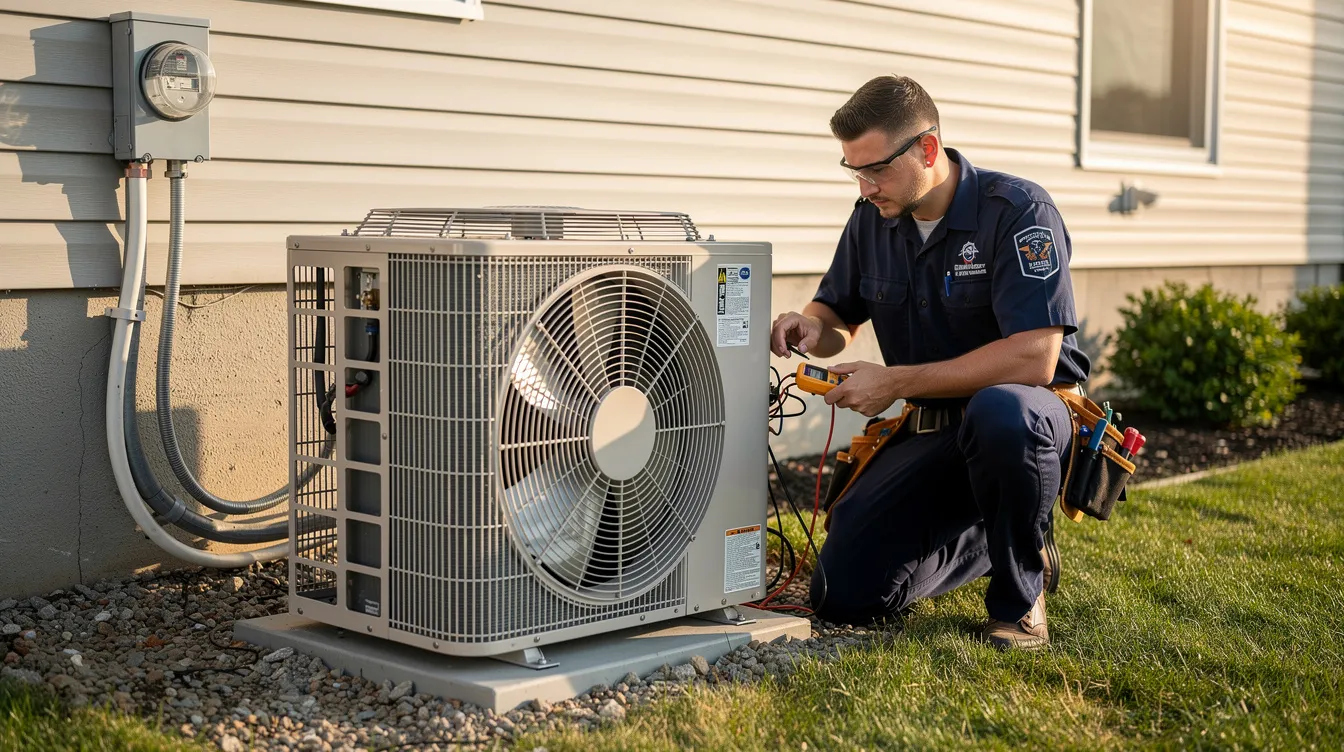
Professional diagnostic evaluation of your HVAC system starts with a thorough inspection. Our technicians examine filters, electrical connections, refrigerant levels, and safety controls to identify primary and secondary issues.
Regular maintenance can extend the lifespan of an HVAC system, which typically lasts between 10 and 30 years, depending on the type and how well it is maintained. We assess the age and condition of the HVAC unit, as older systems may have multiple issues that need addressing, leading to higher repair expenses. Systems over 12 years old often require more expensive repairs due to the need for hard-to-find or discontinued parts.
Step 2: Detailed Cost Breakdown
We provide transparent pricing for parts and labor components, with no hidden fees. Repairing an HVAC circuit board typically costs between $100 and $600, with most jobs requiring replacement. Furnace repair costs generally range from $100 to $1,200, depending on the specific issue and the complexity of the repair.
You’ll receive multiple repair options with cost-benefit analysis, including warranty coverage evaluation. Many parts carry manufacturer warranties that can significantly reduce initial costs—we verify coverage before recommending repairs.
Step 3: Repair vs. Replacement Analysis
Generally, an HVAC system replacement costs more than repairs, but replacements can be more cost-effective in the long run, especially if the system is nearing the end of its lifespan (around 10 to 20 years).
The national average cost to repair a central air conditioner ranges from $221 to $1,052, with most homeowners paying around $483 for repair work. When comparing repair costs against new HVAC system prices, consider energy efficiency ratings of modern equipment and potential energy savings on monthly energy bills.
We discuss financing options for major repairs or replacements, helping you understand how installation complexity affects your total investment.
Step 4: Clear Cost Communication
You receive written estimates with no hidden fees or surprise charges. Our quotes detail:
- All labor fees and flat fee diagnostic charges
- Part costs for components like the AC condenser and outdoor unit, the condenser coil, or drain line
- Timeline for completion and payment terms
- Ongoing HVAC maintenance recommendations to prevent future costly repairs
Scheduling professional maintenance twice a year, before the heating and cooling seasons, helps catch small issues before they become larger, more costly problems. We recommend professional inspections and service contract options to protect your investment.
Customer Cost Experiences
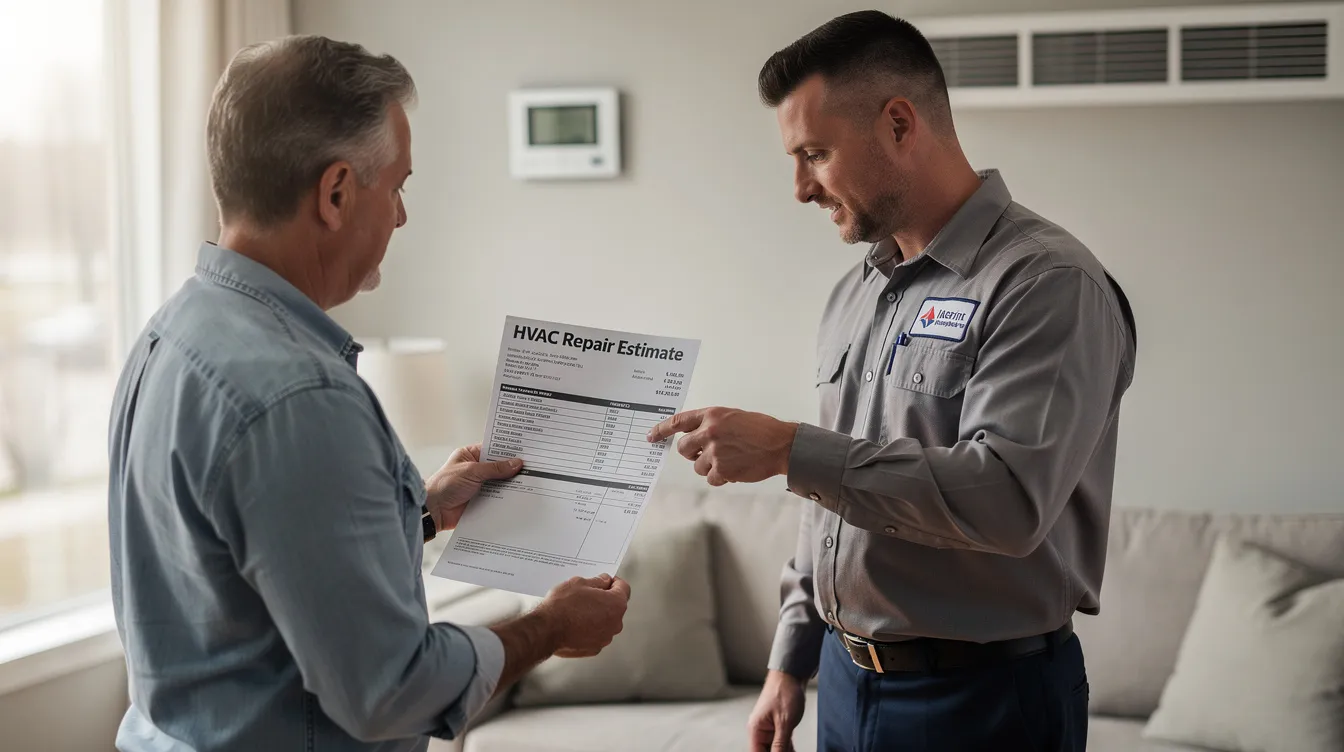
“The detailed cost breakdown helped us understand exactly what we were paying for. No surprises! They explained why our furnace repair cost what it did and offered minor repairs that prevented more expensive repairs later.” – Sarah M., Homeowner
“Their upfront pricing saved us from costly repairs during the summer heat wave. They gave us free quotes with a normal range of options, and we appreciated understanding how seasonal demand affects pricing.” – Michael R., Property Manager
Frequently Asked Questions About HVAC Repair Costs
What factors most influence HVAC repair costs?
Labor rates, part complexity, system type, and repair urgency are primary factors. The age and condition of the HVAC unit can impact repair costs, as older systems may have multiple issues that need addressing. Geographic location and seasonal demand also impact pricing—expect higher service call fees during extreme weather when HVAC companies experience peak demand.
When should I repair versus replace my HVAC system?
Replace if repair costs exceed 50% of replacement value or if your system is over 15 years old. Consider whether you’re experiencing frequent breakdowns, rising utility bills despite repairs, or declining indoor air quality. New HVAC system installations with higher energy efficiency ratings often provide lower energy bills and improved comfort that offset initial costs over time.
For ductless systems, heat pump installations, or gas furnace replacement, the calculation involves comparing long-term energy efficiency against current furnace replacement or ac repair costs and the price of specific RunTru air conditioner condensers or higher-capacity Trane air conditioner condenser units.
How can I reduce unexpected HVAC repair costs?
Schedule annual inspections, change air filters regularly, and address small issues promptly. Service pros resources recommend routine maintenance before the heating season begins and again before summer cooling demand peaks.
Consider a service contract for priority scheduling and discounted repair costs. These agreements often waive or reduce the flat fee for diagnostic visits and provide guaranteed labor costs for covered repairs, helping you budget predictably for your heating and cooling needs while you evaluate Trane air conditioner prices and installed system deals.
Contact Us for Transparent HVAC Repair Pricing
Get Your Free Estimate Today!
Get accurate pricing data for your HVAC repair needs from certified professionals who understand cost factors in your area. We offer:
- No-obligation cost assessment for any HVAC unit issue
- Transparent pricing with detailed explanations of all cost data
- Honest repair vs. HVAC replacement recommendations
Need HVAC Repair Pricing Today?
Don’t overpay for heating or AC repairs. Get a free estimate, transparent pricing, and honest advice from trusted local HVAC professionals.
Don’t let unexpected repairs catch you off guard. Contact our team for free quotes and understand exactly what homeowners pay for quality HVAC service in your area.
