

You can choose the right HVAC size and efficiency by performing proper load calculations, considering your home’s climate, and accounting for how your home actually uses energy. You need to get those right, and you’ll save money, stay comfortable, and avoid premature system wear.
I’ve seen homeowners upgrade to a “high-efficiency” system, only to feel uncomfortable and frustrated because the unit was oversized.
It cooled the house fast, shut off too quickly, and never removed enough humidity. The system looked great on paper, but in real life, comfort and efficiency suffered. That’s why sizing and efficiency must work together.
The best way to figure it out is to do a Manual J load calculation, not square-foot estimates. Your home’s insulation, windows, ceiling height, sun exposure, and local climate all affect the final size.
Once sizing is correct, choose an efficiency level (SEER2/HSPF2) that matches your climate, usage patterns, and budget. The higher efficiency makes sense for long cooling seasons, while mid-range ratings often deliver the best ROI for most homes.
|
Key Takeaways
|
Why Does the Size of Your HVAC System Matter?
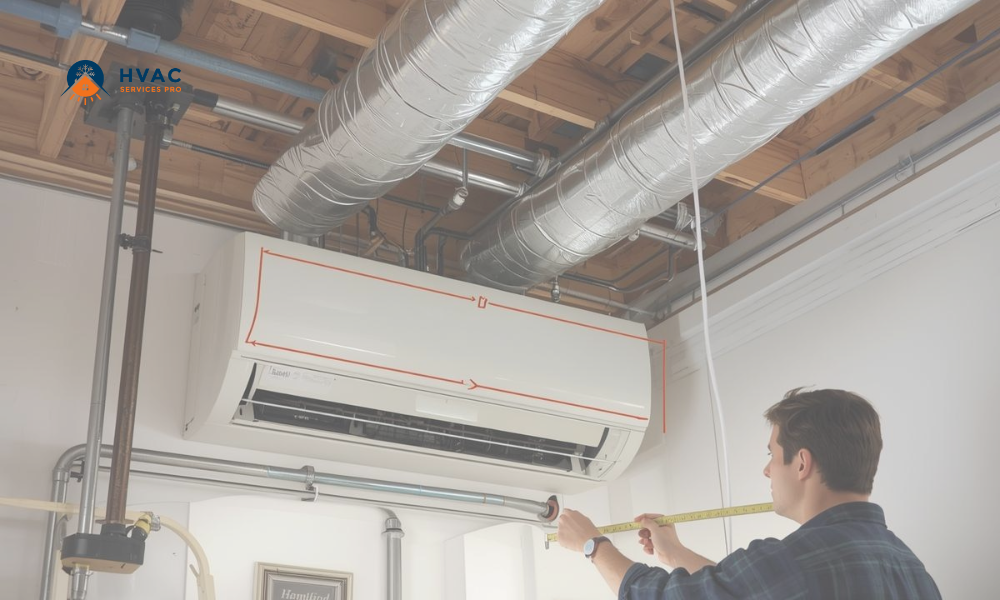
The right size AC does matter. The right size ensures consistent comfort, energy efficiency, and prevents frequent breakdowns. They won’t be able to provide the heating and cooling you need for your house.
It will face more frequent breakdowns than a precisely sized system. Here’s why;
- Too small: Your HVAC system will run constantly, never reaching the desired temperature. This will increase energy costs and wear out the system faster.
- Too large: Your HVAC system will turn on and off frequently, a problem known as short cycling. It will leave your home hot, cold, or humid in certain areas.
I have seen many houses in Texas, where 5-ton systems struggled in larger homes. Some homeowners had to install a second system because a single unit couldn’t handle the load.
My advice is to keep the system slightly undersized rather than oversized. A rule of thumb for safe zones: maximum 15% oversize for cooling, 40% for heating, and 25% for heat pumps.
You should consider other factors while choosing an HVAC system. Such as your room size, ceiling height, insulation, sunlight exposure, climate zone, and local weather patterns.
Homes in hot, humid regions like Texas and its surroundings require different HVAC sizing than homes in dry or cold climates.
All these factors influence the cooling and heating load. Likewise, your big living room with many windows may need more cooling than a small, shaded bedroom. Good insulation can reduce your HVAC needs and save energy.
At HVAC service pro, we provide free consultations on everything, including the right tonnage for your AC or a full HVAC system.
Manual J Load Calculation for Proper HVAC Sizing
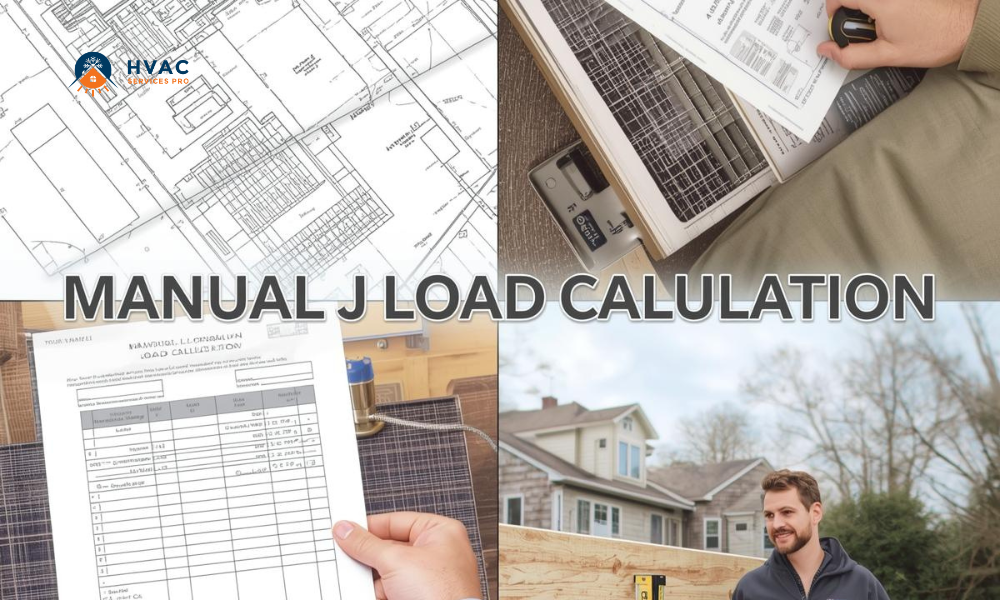
A Manual J load calculation tells you exactly how much heating and cooling your home needs. It is the first step when sizing a system. A certified HVAC professional should perform a Manual J analysis. They have the experience and tools to account for all the variables.
You cannot complete a full Manual J load calculation on your own. The process requires HVAC software, climate data, and training. However, there are a few practical steps homeowners can take to prepare and make better decisions. Here’s what you can do instead:
- Measure the square footage of each room, not just the total home size.
- Note ceiling heights, especially in rooms with vaulted or high ceilings.
- Check the condition of the attic and wall insulation if accessible.
- Count the number and size of windows and doors, and note which direction they face.
- Pay attention to rooms that are hot, cold, or humid, as they can struggle to stay comfortable.
- Be aware of sun exposure and shading, especially on west- and south-facing rooms.


These details help you ask better questions and recognize whether an HVAC recommendation makes sense.
Homeowners often ask for a quick way to visualize system size before doing a full calculation. To give homeowners a simple visual reference, the BTU-to-ton conversion table below shows how cooling capacity often relates to home size.
It will help you understand rough system ranges before a professional calculation is completed.
|
Home Cooling Capacity (BTU) |
HVAC Size (Tons) |
Typical Home Size (Approx) |
|
12,000 BTU |
1 Ton |
400-600 sq-ft |
|
18,000 BTU |
1.5 Tons |
600-900 sq-ft |
|
24,000 BTU |
2 Tons |
900-1,200 sq-ft |
|
30,000 BTU |
2.5 Tons |
1,200-1,500 sq-ft |
|
36,000 BTU |
3 Tons |
1,500-1,800 sq-ft |
|
42,000 BTU |
3.5 Tons |
1,800-2,100 sq-ft |
|
48,000 BTU |
4 Tons |
2,100-2,400 sq-ft |
|
60, 000 BTU |
5 Tons |
2,400-3,000 sq-ft |
Example: A home between 1,200 and 1,800 sq ft, a central air conditioner of around 2.5 to 3 tons is usually appropriate. A 2.5-ton system fits homes closer to 1,200–1,500 sq ft, while a 3-ton unit works well for 1,500–1,800 sq ft. I always recommend a Manual J load calculation to account for insulation, windows, ceiling height, and sun exposure. This ensures your system runs efficiently, avoids short cycling, and keeps energy bills reasonable.
Tip for homeowners: This chart is only a starting point. Every home is unique and needs a different HVAC system size. Use this table to get a rough idea, but don’t skip a proper Manual J calculation.


Common Sizing Misconceptions
Many people believe bigger units cool better. This is not true. Oversized systems may reach the set temperature quickly but fail to remove humidity. You’ll end up with a cold andclammy house.
Oversizing also creates airflow problems. Ductwork may not be designed for a larger system. This can lead to uneven temperatures in different rooms. In many homes I inspect, the far bedrooms stay warm while the living room feels cold. Proper sizing is the key to ensuring consistent comfort and energy savings.
Understand The HVAC Efficiency Ratings Clearly
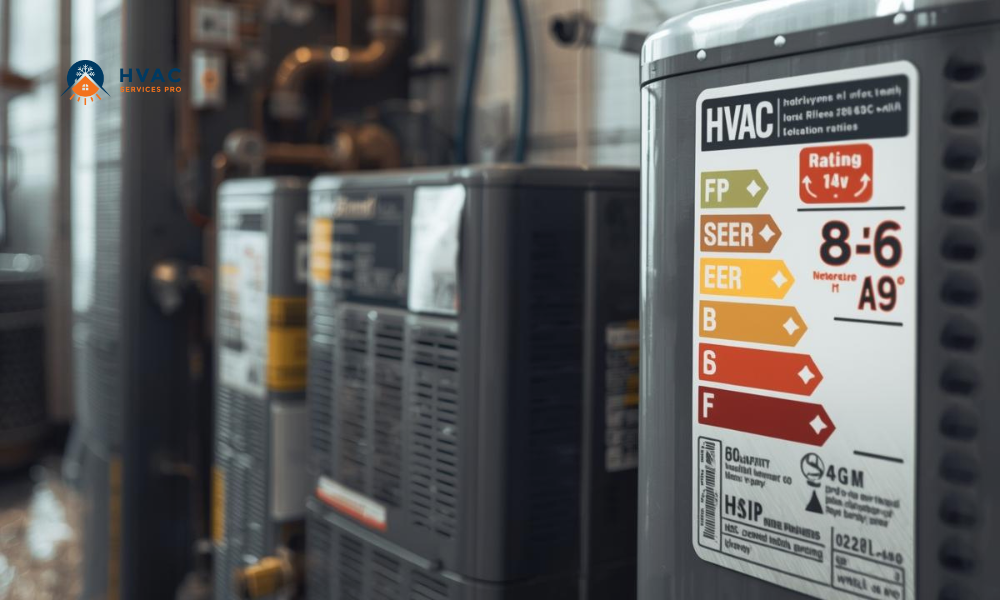
Understanding HVAC efficiency ratings such as SEER, EER, and AFUE tells you how much energy your system uses and how much it can save you on your energy bills.
These efficiencies, together, give a complete picture of your HVAC system’s year-round efficiency. Higher ratings cost more upfront but save money on electricity and heating bills over time. They may also qualify for rebates or ENERGY STAR incentives.
SEER Ratings (Seasonal Cooling Efficiency)
Compare SEER vs SEER2 ratings, which reflect updates in efficiency testing and performance measurement. Knowing the difference helps pick a system that gives real energy savings.
SEER stands for Seasonal Energy Efficiency Ratio. It shows how efficiently an air conditioner cools your home over an entire cooling season. A higher SEER means the system uses less electricity to deliver the same cooling.
You should look at the SEER2 rating when choosing an air conditioner or heat pump. Higher SEER2 means lower electricity use over the cooling season. In the DFW Metroplex, where summers are long and hot, a system with 16–18 SEER usually balances upfront cost and energy savings.
Tip: Check for systems that meet southwest region SEER2 efficiency standards. This ensures the unit is efficient and meets local rules.
For example, in Texas summers, switching from a 10 SEER air conditioner to a 17 SEER unit can significantly reduce your cooling electricity bills. Homes running AC for many hours a day see noticeable savings with higher SEER.
Federal programs like ENERGY STAR set minimum SEER requirements and offer guidance to help homeowners choose efficient systems.
EER Ratings (Peak Day Cooling Efficiency)
You should review the EER2 rating on the unit’s specification sheet or ask your contractor before buying. EER stands for Energy Efficiency Ratio. It measures how efficiently your AC cools at a specific outdoor temperature.
A higher EER2 means your system will keep your house cooler on the hottest days without spiking your electricity bills. For instance, if two AC units run in Houston during a 100°F day, the unit with a higher EER will cost less to operate.
You should also compare EER2 vs SEER2.
Comparing them helps you to pick a system that saves energy year-round and keeps the home cool on hot days. SEER2 and EER2 measure different parts of AC efficiency. SEER2 shows seasonal performance, while EER2 shows efficiency during peak heat. Check both ratings on the unit’s specification sheet or ask the contractor.
Tip: If your home uses AC a lot during heat waves, prioritize EER2 performance alongside SEER2. It’s a must!
AFUE Ratings (Heating Efficiency)
Pay attention to the furnace or boiler’s specification while choosing the right AFUE rating. A higher AFUE means more fuel is converted into heat, which lowers winter energy bills. Compare models and pick one that fits your home’s heating needs and your budget for long-term savings.
AFUE stands for Annual Fuel Utilization Efficiency. It shows how efficiently a furnace or boiler turns fuel into heat. Understanding AFUE ratings is key to predicting fuel costs and winter efficiency. For example, moving from an 80% AFUE furnace to a 95% AFUE model allows more heat to stay inside the home, which lowers heating bills during colder months.

Choosing HVAC Efficiency With Incentives
Efficiency ratings can determine which properly sized HVAC systems qualify for rebates, tax credits, or utility incentives. This can affect your final choice and reduce the real cost of your system.
How incentives influence your decision:
- Systems with higher SEER2 ratings often qualify for federal tax credits and utility rebates.
- High EER2 systems perform better during Texas peak heat and may be included in incentive programs.
- Furnaces with higher AFUE ratings can qualify for heating efficiency incentives.
From my experience, a homeowner in Frisco compared two properly sized heat pumps. The higher SEER2 option costs more upfront.
But after a utility rebate and federal tax credit, the final price was almost the sam,e while monthly energy bills were lower.
Pro tip: Always check incentive eligibility before final equipment selection. It can change which system is the smartest choice, not just the cheapest one.
Ensure Professional Installation
Do not seek a random person or someone claiming to be experienced unless they are certified and professional. Installing your HVAC system correctly is just as important as choosing the right size. A Professional installation ensures smooth and efficient operation.
It not only keeps your home comfortable but also prevents costly repairs and maximizes energy efficiency
Look for certifications. Check reviews, warranties, and whether they provide a startup checklist to confirm airflow, refrigerant charg,e and system performance.
Homeowner Tip: DIY installation may seem tempting, but even small errors in ductwork, airflow, or thermostat placement can cause your system to underperform. So always hire a certified HVAC technician.
Conclusion
Invest in the right system and maintenance from the start. It saves money and keeps your DFW home efficient for years. Choosing the right HVAC system is about more than price. Proper Manual J sizing, SEER2/EER2/AFUE efficiency, and correct ductwork ensure comfort, lower energy bills, and long-term savings.
Avoid oversizing, short cycling, and poor insulation mistakes to get consistent indoor temperature and humidity control. With the right licensed HVAC professionals and smart planning, your home will stay comfortable year-round.
Frequently asked questions
What is the 20-degree rule for air conditioning?
Set the thermostat no more than 20°F below outside temperature to prevent overworking the system and improve efficiency.
Do I Need Multiple Units If My Home Is Large?
Homes needing more than 5 tons should consider zoned systems or multiple units to maintain efficiency.
How Does Insulation Impact Hvac Sizing?
Better insulation reduces BTU requirements, allowing smaller units to efficiently maintain comfort.