
You are about to spend thousands on a new AC. You want to get it right. But now you see 14.3, 15.2, 17, and 18 SEER2. The numbers look close. The prices do not. One contractor says upgrade, while others feel the extra cost isn’t necessary. That confusion is normal.
Understanding SEER2 ratings helps you decide whether you are simply buying an air conditioner or investing in long-term comfort and efficiency. At HVAC Services Pro, we help homeowners in Dallas and Fort Worth make this choice every week. In this guide, I will break down the real differences, real costs, and which tier makes sense for you. By the end, you will know exactly which SEER2 tier fits your home size, comfort expectations, and long-term plans.
TL;DR14.3 and 15.2 SEER2 are budget-friendly single-stage systems best for short-term homeowners. 17 SEER2 adds two-stage performance for more stable temperatures, while 18 SEER2 variable-speed delivers the smoothest and quietest operation. |
What Actually Changes Between 14.3, 15.2, 17, and 18 SEER2?
The differences show up in how the system runs, how stable your indoor temperature feels, and how much electricity it consumes over time.
SEER2 in real systems is just the efficiency measurement of the unit. It stands for Seasonal Energy Efficiency Ratio 2. It measures how efficiently an AC cools your home over an entire cooling season. A higher SEER2 number means your system uses less electricity to deliver the same cooling.
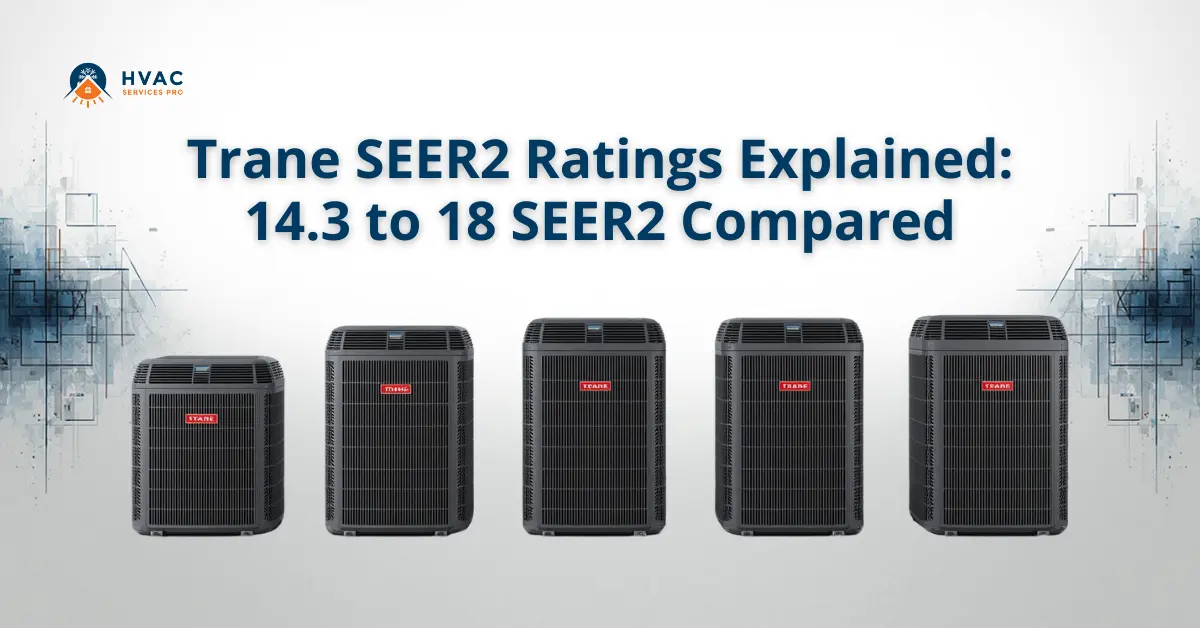
In Trane’s residential lineup, SEER2 typically falls into four primary tiers: 14.3, 15.2, 17, and 18 SEER2, including models like Trane XR14, XR15, XV17, and XV18. These ratings indicate significant performance advancements rather than just minor upgrades.
But beyond SEER2 ratings, there’s more to it.
How Compressor Type Impacts Comfort and Noise at Every SEER2 Level
The type of compressor in your AC determines how smoothly your system cools, how stable indoor temperatures stay, and how comfortable your home feels. Higher SEER2 tiers use more advanced compressors, delivering steadier cooling, better humidity control, and quieter operation.
The compressor is the heart of your air conditioner. Different SEER2 levels use different compressors, which directly affects comfort:
14.3 SEER2 – Single-Stage Compressor
It runs at full power whenever it turns on and shuts off completely when the cycle ends. Cooling is reliable but may produce slight temperature swings and small hot or cold spots.
Because it starts at full capacity every cycle, you will hear a stronger startup sound. In Trane’s lineup, this efficiency level is commonly seen in models like the XR14, designed for dependable and straightforward cooling.


15.2 SEER2 – Single-Stage with Improved Design
It is still single-stage, but efficiency improves through better coil pairing and system design. Cooling feels similar to 14.3 SEER2, with slightly lower energy use. When comparing a Trane 14.3 and 15.2 system, you likely won’t notice a major comfort difference day to day — but you may see a small improvement when your monthly energy bill arrives.
Here, also, the startup noise is noticeable. Trane models such as the XR15 typically fall into this category, offering balanced performance with modest efficiency gains.
17 SEER2 – Two-Stage Compressor
It runs most of the time at lower power, switching to full power only when needed. This reduces temperature swings and allows the system to run longer at lower capacity.
Because it operates at reduced capacity most of the time, it starts softer and runs quieter overall. In Trane systems, the XV17 is a common example of this two-stage design focused on enhanced comfort.
18 SEER2 – Variable-Speed Compressor
It modulates continuously instead of cycling fully on or off, maintaining precise temperature control while reducing short cycling.
These systems ramp up and down gradually, eliminating the harsh on-off cycling common in single-stage units. Trane’s XV18 represents this variable-speed technology built for consistent, precision cooling.
The jump from single-stage to two-stage or variable-speed compressors is where you notice the biggest comfort difference.
Why Does the Final SEER2 Rating Vary?
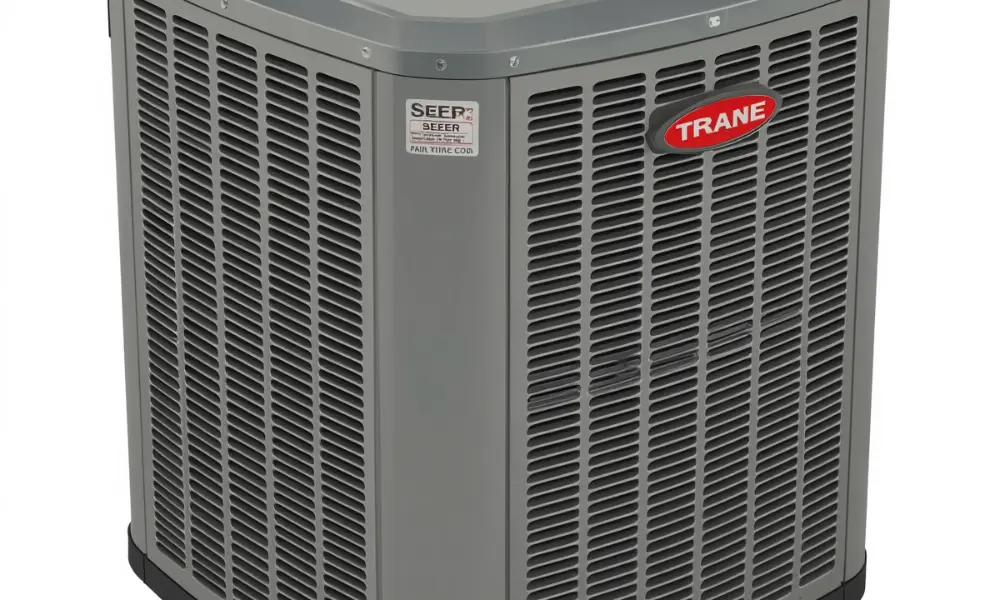
The final SEER2 rating depends on the entire AC system, not just the outdoor unit. Correct pairing of indoor and outdoor components is crucial to achieve the efficiency you expect.
Many homeowners assume the SEER2 listed on the outdoor unit is the system’s final rating, but that’s not always true. The indoor coil and air handler must match the outdoor unit properly. This is true for all setups, whether you have a gas furnace, heat pump, or electric air handler.
If the components are mismatched, the system may operate below its intended efficiency, affecting energy bills, comfort, and overall performance.
I always tell homeowners to ask for the AHRI match certificate before installation. That document confirms the exact efficiency rating of the full system. This protects you from surprises and ensures you get what you pay for. It also protects your warranty registration and ensures your system qualifies for any available utility rebates.
Side-by-Side Comparison of All Four Efficiency Tiers
| SEER2 Tier | 14.3 SEER2 | 15.2 SEER2 | 17 SEER2 | 18 SEER2 |
| Compressor Type | Single-Stage | Single-Stage, improved design | Two-Stage | Variable-Speed |
| Comfort & Humidity | Basic comfort, moderate humidity control | Slightly smoother, better efficiency | Even temperature, improved humidity | Steady temperature, best humidity control |
| Noise Level | Moderate | Moderate | Low | Very Low |
| Best For | Lowest upfront cost | Balanced value & savings | Comfort-focused, quieter operation | Ultimate comfort & quiet |
| Level | Entry-Level or Standard | Balanced Value or Mid-Range | Enhanced Comfort or High | Premium |
| Typical Trane Model Family | XR14 | XR15 | XV17 | XV18 |
Installation Cost and Real Energy Savings by Tier
You might be wondering: “How much will this cost? And will I actually save money?” That’s the real question most homeowners in DFW ask.
Here’s what I tell every client at HVAC Services Pro: it’s not just about the upfront price. It’s about long-term operating cost and overall system performance.
Typical Installed Price Ranges
The cost depends on your home size, equipment size, and extra add-ons, but here’s a good range for 2026 installations based on models and SEER2 tier:
| Trane Model | SEER2 Tier | Typical Installed Price (2–5 Ton) |
| XR14 | 14.3 SEER2 | $6,999 |
| XR15 | 15.2 SEER2 | $7,599 |
| XR17 | 17 SEER2 (Two-Stage) | $9,700 |
| XV18 | 18 SEER2 (Variable-Speed) | $11,500 |
Installation quality and duct condition often influence performance more than the SEER2 rating alone. We keep pricing transparent and consistent, so your cost doesn’t spike just because of system size.
Estimated Monthly Energy Savings by Tier
Here’s what upgrading can mean for your utility bills in Dallas and Fort Worth summers:
- 14.3 SEER2 – Reliable cooling, moderate energy use
- 15.2 SEER2 – 5–10% savings over 14.3
- 17 SEER2 – 10–15% savings over 14.3, plus more comfort
- 18 SEER2 – 15–20% savings over 14.3, with top-notch humidity control
For example, if your summer electric bill averages $300 per month, upgrading from 14.3 to 17 SEER2 could reduce that bill by $30–$45 during peak months. It’s calculations like these that help you decide between sticking or upgrading your SEER2.


When Paying More for Higher SEER2 Makes Sense
Here’s the simple truth: higher SEER2 is not always worth it if you only care about bills.
Upgrade to 17 or 18 SEER2 if:
- You struggle with uneven room temperatures
- Your current system shortens cycles frequently
- Your home feels cool but still slightly damp
- You plan to stay in your home for 10+ years
- You’re comfortable paying a higher upfront price for better long-term value
If your priority is the lowest upfront cost, stick with 14.3 or 15.2. You’ll save money now, but comfort won’t be as premium.
Tips to Maximize Savings
- Make sure your installer provides an AHRI match certificate. This ensures the SEER2 rating you pay for is real.
- Pair the outdoor unit with a compatible indoor coil. Mismatched systems reduce efficiency.
- Use a programmable or smart thermostat. Small changes can save hundreds annually.
- Maintain your system regularly. Even the best SEER2 unit loses efficiency if coils are dirty or filters are clogged.
Choosing the Right SEER2 Tier by Home Size and Tonnage
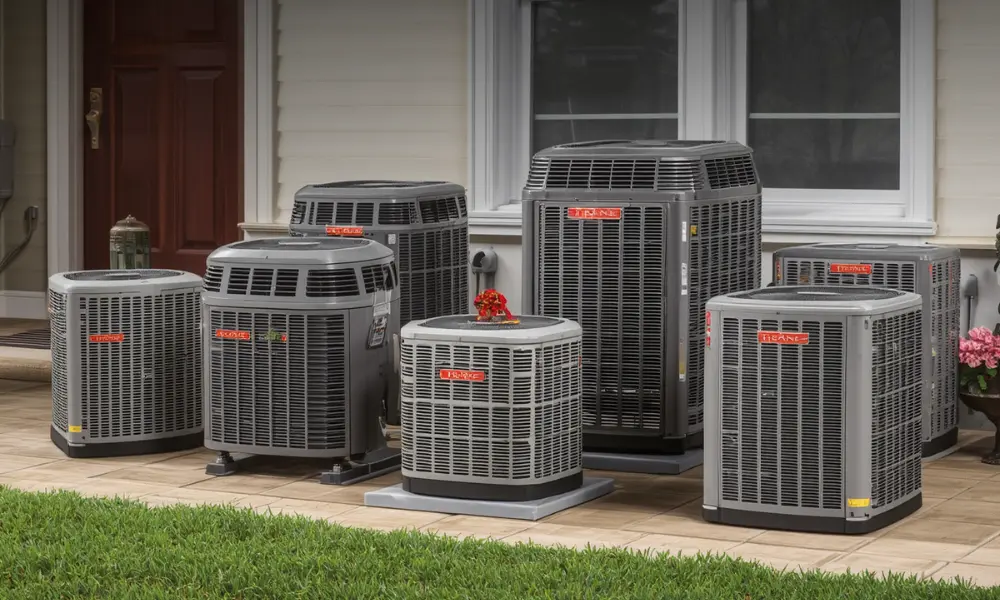
Your home’s size and the AC tonnage you pick play a big role in how comfortable you feel and how much you pay in energy bills.
A system that’s too small struggles to keep your home cool, while one that’s too big cycles on and off too often, wasting energy. SEER2 matters differently depending on the tonnage and the load your AC handles.
How Tonnage Affects Comfort and Efficiency
Matching your AC’s tonnage with your home ensures even cooling, efficiency, and quiet operation. Always remember, a professional Manual J load calculation is the only accurate way to determine the correct tonnage.
For DFW homes, a good guideline is:
2-Ton Systems:
Best for homes around 1,000–1,300 sq ft, these systems cool quickly and keep energy use steady. A 2-ton Trane AC with 14.3 or 15.2 SEER2 fits small to mid-sized homes well, maintaining consistent indoor temperatures without large swings.
This setup delivers dependable performance for everyday comfort. If your current system struggles to keep temperatures even from room to room, stepping up to 17 SEER2 can improve performance while keeping costs within a practical range.
3-Ton Systems:
Ideal for homes around 1,500–2,500 sq ft or multi-story layouts with higher cooling demands, these systems manage larger spaces efficiently, even during long Texas summers. A 3-ton Trane AC with 14.3 or 15.2 SEER2 keeps installation costs practical while delivering steady cooling and solid energy performance.
Upgrading to 17 SEER2 helps the system run longer at lower output, improving overall balance in larger spaces.
For homeowners who want premium comfort, an 18 SEER2 variable-speed system adjusts its output in real-time to deliver smoother airflow and more precise output control throughout the home.
Homes Over 2,500 sq ft or Very High Cooling Load:
Some larger homes or homes with open layouts, vaulted ceilings, or multiple HVAC zones may require 3.5–4 Ton systems or even dual systems. In these cases, higher SEER2 tiers (17–18) or Ultra (19–23) provide better load handling and more stable performance in high-demand conditions. Pairing correctly with indoor coils is critical to ensure the system reaches its rated efficiency.

Which SEER2 Tier Is Right for You?
At the end of the day, it is about how you live in your home.
Some homeowners simply want reliable cold air without stretching the budget. Others care about how steady the temperature feels in the evening. Some notice noise. Some do not. The right tier depends on what matters to you.
- If You’re Replacing a System and Watching the Budget:
14.3 SEER2 makes sense. It cools your home reliably without pushing your upfront cost higher than it needs to be. If you might move in a few years, there is no reason to overinvest.
- If You’re Staying a While and Want Better Value:
15.2 SEER2 is often the practical middle ground. It improves efficiency without a major price jump. For many homeowners, this is where cost and savings feel balanced.
- If You Care About Comfort, You Can Actually Feel:
Step up to 17 SEER2. This is where performance becomes noticeably more balanced, especially in homes that struggle with uneven cooling.
- If This Is Your Long-Term Home:
Go with 18 SEER2 variable-speed. It is quieter. It adjusts gradually. It keeps temperatures steady instead of cycling on and off. If you plan to stay 10+ years, this is where comfort becomes premium.
Conclusion
Choosing between 14.3 and 18 SEER2 is less about chasing a higher number and more about choosing how your home should feel every day.
Lower tiers cool reliably at a practical cost. Higher tiers deliver smoother operation and more consistent performance over time.
The right choice comes down to your timeline, your comfort expectations, and whether you prioritize immediate savings or long-term performance.
FAQ
What is the minimum SEER2 required in Texas?
In the southern region, including Texas, the federal minimum for central air conditioners is 14.3 SEER2. That is why most entry-level systems start at this rating.
How long does it take to recover the cost of upgrading to 17 or 18 SEER2?
If a higher tier costs $1,500–$3,000 more and saves $300–$500 per year in peak climates like DFW, the typical payback period ranges from 4 to 7 years. After that, the savings continue.
Does higher SEER2 improve home resale value?
It can. Buyers often view two-stage and variable-speed systems as premium upgrades, especially in hot climates. While it may not raise your listing price dollar-for-dollar, it can improve buyer confidence and inspection outcomes.
Is SEER2 the same for heat pumps?
Yes, for cooling efficiency. However, heat pumps also have a heating efficiency rating called HSPF2. If you are considering a heat pump, both ratings matter.