

While working at HVAC Services Pro, I have over a decade of experience as an HVAC expert. I have installed and serviced hundreds of Trane and RunTru systems. Many homeowners ask me which system is better. They also ask which features really matter. And they want to know what paperwork they must keep.
Well, mainly Trane is generally considered higher quality and more durable, while RunTru offers solid performance at a more budget-friendly price.
I remember a client in North Texas who installed a premium Trane system. He was excited about the variable-speed blower and smart thermostat. But he felt overwhelmed when the installer handed him warranty papers, permits, and commissioning sheets.
He asked me what each document was for and how to keep his warranty safe.
|
Key Takeaways
|
Trane and RunTru HVAC Systems Explained
Trane and RunTru systems serve different needs. Trane focuses on premium comfort and efficiency. RunTru is budget-friendly. Both brands use reliable engineering and quality parts. Your choice depends on budget, home size, and comfort preferences.
What is RunTru by Trane?
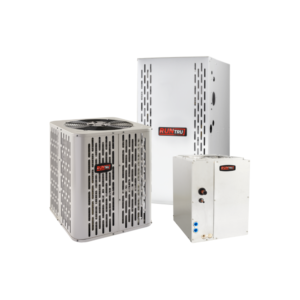
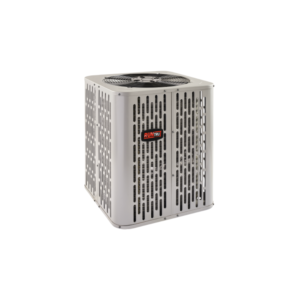
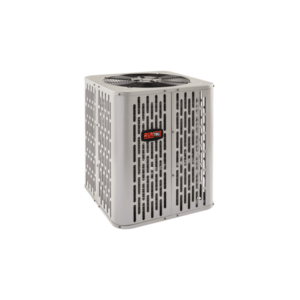
RunTru is Trane’s budget-friendly HVAC brand. Trane created RunTru to compete with brands like Goodman. RunTru systems offer basic comfort and reliable parts. It is a cost-effective HVAC line. It includes air conditioners, furnaces, heat pumps, and air handlers. It shares Trane’s engineering standards. But it has fewer advanced features.
RunTru systems are great for starter homes or rentals. They provide reliable heating and cooling. They also have AHRI certification, so you can be stress-free about it.
They focus on durability rather than extra smart features. Many rental homes use it due to lower cost and simple controls. If you want good performance at a lower cost, RunTru is a strong choice.


Philosophy behind RunTru vs Trane premium lineup
Trane focuses on premium comfort. RunTru focuses on affordability. Trane invests in advanced compressors, variable speed fans, and smart thermostats.
RunTru focuses on durable parts and simple features. The Trane XV20i uses variable-speed technology. A RunTru A5AC3 uses single-stage cooling.
Entry level HVAC vs premium HVAC explained
Entry-level HVAC offers basic comfort. Premium HVAC offers precise comfort and lower energy use. Entry-level systems use single-stage compressors. Premium systems use two-stage or variable compressors.
According to the US Department of Energy, variable speed systems reduce energy use by 30–40%.
HVAC System Comparison: Trane vs RunTru

Trane and RunTru systems serve different needs. Trane offers advanced comfort and efficiency. RunTru provides reliable performance at a lower cost. Both brands are AHRI-certified and meet energy-efficiency standards.
Homeowners often focus on SEER2, AFUE, and HSPF2 when comparing systems. A matched system ensures the indoor and outdoor units work together. This improves comfort and saves energy.
Here’s a clear comparison of Trane and RunTru:
| Feature | Trane Premium | RunTru |
| SEER2 | 14.3 – 22+ | 13.4 – 16 |
| Compressor | Variable / Two-stage | Single-stage |
| Blower | Variable ECM | Multi-speed |
| Noise Level | 57–65 dB | 70–72 dB |
| Warranty | 10–12 years | 10 years |
| Typical Cost | $7,500–$10,000 | $4,500–$6,000 |
| Matched System Certified | Yes | Yes |
Trane offers better comfort, efficiency, and quiet operation. RunTru is lower cost and still reliable.
Trane and RunTru Comfort Features
Comfort is more than temperature. It includes humidity, airflow, and quiet operation. Trane and RunTru offer features to improve comfort, but in different ways. Variable-speed blowers, two-stage compressors, and smart thermostats make a big difference.
Variable speed blower comfort benefits
Variable-speed blowers adjust airflow continuously. They provide steady temperatures in every room. They also reduce hot or cold spots. These blowers improve humidity control. Energy use drops, too. Statistics show variable-speed blowers can cut fan energy by 50–75%.
Two-Stage Air Conditioner Benefits
Two-stage AC runs mostly at low speed. High speed is only used when needed. This provides smoother cooling and better humidity control. Noise is lower because the system rarely runs at full power.
HVAC Humidity Control Features
Trane premium systems adjust airflow and temperature to reduce humidity. RunTru systems also remove moisture, but less efficiently. Proper humidity prevents mold and improves comfort. Most homes should maintain indoor humidity between 40–50%.
Adding a variable-speed blower or two-stage AC improves moisture removal and comfort.
HVAC Noise Level Comparison
Outdoor condenser noise matters. Trane units run around 57–65 dB. RunTru units are louder at 70–72 dB. Variable-speed compressors reduce noise. Multi-speed blowers are slightly louder.
Homeowners often notice noise when units are near windows or patios. A vibration isolation pad can reduce sound.
Smart Thermostat Compatibility with HVAC
Premium Trane systems work with most smart thermostats. You can adjust the temperature from your phone. RunTru systems are compatible with fewer smart thermostats. Most require basic digital thermostats.
Smart thermostats can save 10–15% on energy bills by adjusting based on occupancy.
Communicating Thermostat Compatibility
Some Trane systems support communicating thermostats. These thermostats share data with the HVAC system. This allows precise temperature control and efficient operation. It also improves dehumidification and airflow.
Trane vs RunTru Indoor Air Quality and Comfort Add-Ons
Indoor air quality (IAQ) affects health and comfort. Dust, allergens, and pollen can build up if your system lacks proper filtration. Trane and RunTru support add-ons to improve IAQ. Homeowners can add filters, UV lights, or whole-home air cleaners.
Indoor Air Quality Add-Ons
You can add several IAQ devices to your system. Whole-home air purifiers remove 95% of allergens. UV lights kill bacteria and mold. Humidifiers or dehumidifiers control moisture levels.


Air Filtration MERV Rating
Filters have MERV ratings from 1 to 16+. Higher MERV numbers trap smaller particles. A MERV 8–11 filter works for most homes. MERV 13+ is ideal for allergy sufferers. RunTru and Trane systems support high-MERV filters.
Filter Size and Airflow Impact
Filter size matters. A filter that is too small reduces airflow. Reduced airflow lowers efficiency and comfort. Always check the filter size on the system data plate. Installing the correct filter ensures your system performs efficiently and maintains proper humidity.
Noise, Humidity, and Comfort Troubleshooting
Even the best HVAC systems can have issues. Common problems include noise, high humidity, or uneven temperatures. Homeowners often ask how loud their system should be or why it feels clammy. Understanding normal operation helps spot problems early.
Outdoor condensers make some noise. Trane units run around 57–65 dB, about the level of a normal conversation. RunTru units are slightly louder at 70–72 dB.
Noise depends on compressor type, fan speed, and placement. Installing a vibration isolation pad reduces sound. Always keep units away from windows and patios for quiet operation.
Noise Troubleshooting After New Condenser Install
New condensers may vibrate if not properly leveled. Loose panels or incorrect line set installation can cause noise.
Adding a vibration isolation pad and tightening all connections often fixes the problem. Variable-speed blowers also reduce sound during operation.
Trane and RunTru Product Lines Overview
Trane and RunTru offer a range of products. Both brands include air conditioners, heat pumps, furnaces, air handlers, and packaged systems. Each product serves different comfort and efficiency needs.
Trane focuses on premium features, like variable-speed compressors and communicating thermostats. RunTru provides reliable performance at a lower cost, perfect for budget-conscious homeowners.
Conditioners
Trane air conditioners use variable or two-stage compressors. They offer quiet operation and precise temperature control. RunTru ACs use single-stage compressors. They are reliable and cost-effective. Noise is slightly higher, but they cool homes effectively.
Heat Pumps
Heat pumps provide both heating and cooling. They transfer heat rather than generate it. Trane heat pumps often have variable-speed compressors. They control temperature and humidity precisely. RunTru heat pumps are simpler but reliable for mild climates.
Furnaces
Trane furnaces use variable-speed blowers and high AFUE ratings. They deliver consistent warmth and save energy. RunTru furnaces use multi-speed blowers and standard AFUE ratings. They are easier to maintain and less expensive.
Air Handlers
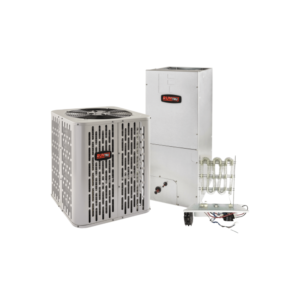
Air handlers circulate air throughout your home. Trane offers variable-speed ECM blowers for precise airflow. RunTru air handlers use multi-speed blowers. They are reliable and cost-effective.
Packaged Systems
Packaged systems combine heating and cooling in one unit. They are ideal for homes without space for separate indoor units. Trane packaged units include advanced features like variable-speed compressors. RunTru packaged units provide reliable cooling and heating at a lower cost.
Pricing, Value, and Budget Comparison
Cost is an important factor for most homeowners. Trane premium systems cost more upfront but offer advanced comfort and efficiency. RunTru systems cost less and provide reliable performance.
When comparing prices, include installation, efficiency, and long-term energy savings. A lower upfront cost may lead to higher energy bills. Premium systems often pay back the difference in 5–7 years.
Entry Level HVAC vs Premium HVAC Cost Differences
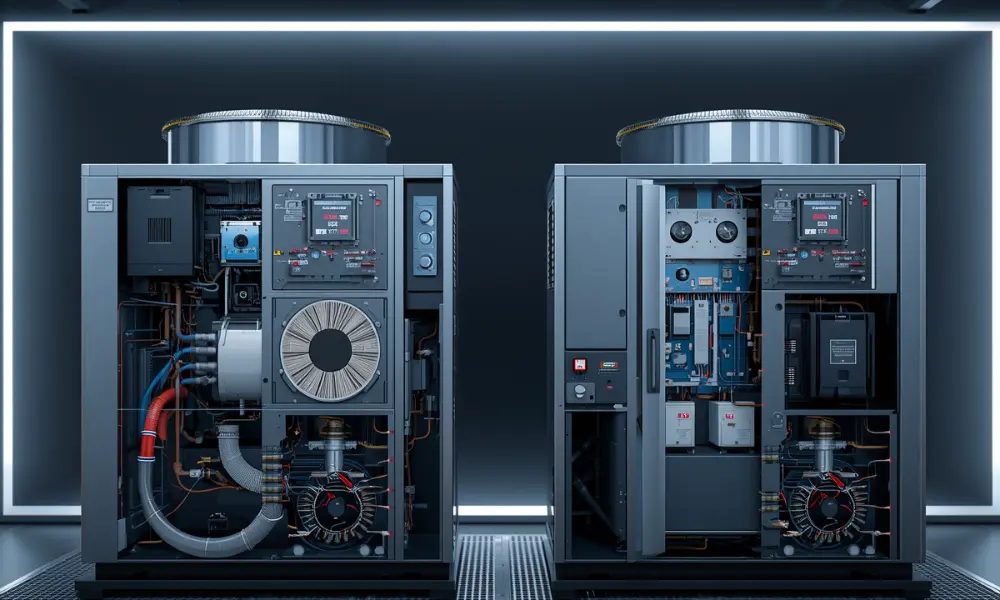
RunTru and entry-level HVAC systems range from $4,500 to $6,000 installed. They offer basic heating and cooling with single-stage or multi-speed components. Trane premium systems range from $7,500 to $10,000 installed. They include variable-speed compressors, smart thermostats, and quieter operation.
Cost vs Comfort vs Lifespan Trade-Offs
Premium systems have longer lifespans, often 15–20 years. Entry-level systems last around 12–15 years. Comfort improves with variable-speed blowers and two-stage compressors. Energy efficiency improves with higher SEER2 and AFUE ratings.

How to Compare HVAC Quotes Apples to Apples?
Check SEER2, HSPF2, AFUE, and warranty. Verify if the system is a matched system. Look at installation details. Two quotes may have similar equipment but different performance based on installation quality. It is usually best to replace AC and furnace together.
Trane and RunTru HVAC Warranty Coverage and Registration Process
Warranties protect your investment. Trane and RunTru systems include coverage for parts and, in some cases, labor. Registration ensures your warranty is valid.
Homeowners often overlook registration. Without it, claims can be denied. Proper paperwork and proof of purchase are critical. Keeping documents organized helps with future warranty claims.
HVAC Warranty Coverage Details
Trane warranties cover compressors, heat exchangers, and major components. RunTru warranties cover similar parts but may have shorter durations. Coverage varies by system type and installation. Some premium systems offer up to 12 years on parts, while entry-level RunTru units offer 10 years.
HVAC Warranty Registration Steps
Register your system immediately after installation. Visit the manufacturer’s website or complete the paper form. Include model numbers, serial numbers, and proof of purchase. Keep confirmation emails or printed certificates. These serve as proof if you need service or replacement later.
HVAC Warranty Registration Deadline
Most systems must be registered within 60–90 days of installation. Late registration may reduce or void coverage. Always check your system’s paperwork to confirm the exact deadline. Setting a reminder helps avoid missed registration.
Warranty Exclusions for Improper Installation
Improper installation can void your warranty. Common issues include incorrect line set sizing, poor airflow, or missing permits.
Always hire a licensed contractor. Follow Manual J,Manual S, and Manual D guidelines. Proper installation ensures comfort, efficiency, and full warranty coverage.
Final Thoughts: Choosing Trane or RunTru the Smart Way
RunTru is great for budget-conscious homeowners. It delivers reliable comfort at a lower cost. Trane premium systems are ideal for precise comfort, quiet operation, and energy savings. Paperwork matters as much as equipment. Proper permits, AHRI certificates, and warranty registration protect your investment.
Frequently Asked Questions (FAQs):
Why Does My New AC Feel Clammy?
If your AC feels clammy, humidity may be too high. Single-stage ACs may not run long enough to remove moisture efficiently.
How Do I Check if My HVAC Warranty is Registered?
You can verify registration online using the manufacturer’s warranty portal. Enter the serial number and model number. You will see if your system is registered and the expiration date. Keep a screenshot or printout for your records.
Can Contractor Register Warranty for Homeowners?
Yes, some contractors can register on your behalf. Always confirm that registration was completed. Ask for a confirmation email or certificate. Doing this ensures your system is protected and avoids potential warranty disputes.
Can Warranty Be Denied Without Permits and Inspections?
Yes. Improper permitting can void the warranty. Always confirm permits are filed with your city. Keep copies of inspection approvals in your HVAC paperwork folder.