

Central Air Conditioning: How Central AC Systems Work and What Homeowners Should Know
A central air conditioning system is one of the most significant investments you can make in home comfort. Whether you are exploring a first-time purchase or deciding whether to replace aging equipment, understanding how the process works puts you in control of your budget and your comfort.
Central air conditioning basics (quick answer first)
Central air conditioning is a whole-home cooling system that uses a single air conditioner and ductwork to distribute cool air to every room in the house. A typical central ac system cycles warm air from inside your home through return ducts, cools it at an indoor evaporator coil, and sends it back through supply vents. This process repeats until the thermostat reaches the desired temperature.
Unlike window or portable air conditioners, central air conditioning systems maintain a consistent indoor temperature across large spaces, avoiding hot spots. A single thermostat can manage the climate for an entire home with central AC, and because the noisy compressor sits outside, you get quieter operation indoors. Most North American homes built after roughly 1990 include ductwork or a furnace, making them ready to support a complete hvac system. The standard residential setup today is a split system with an outdoor unit and an indoor unit connected by refrigerant lines. Understanding these basics helps homeowners make smarter decisions about efficiency, comfort, and replacement timing.
What is a central air conditioning system?
A central air conditioning system is a combination of equipment that cools air in a central location and distributes it through ducts to multiple rooms. The terms “central air,” “central ac,” and “central air conditioning system” all refer to this same concept of whole-home cooling driven by a single air conditioner.
A standard residential system includes:
- One indoor unit (air handler or furnace) with an evaporator coil
- One outdoor unit containing a condenser coil and compressor
- Supply and return ductwork
- A thermostat or smart control device
Central AC systems use ductwork to distribute cool air, making them ideal for homes larger than about 800–1,000 square feet, multi-level layouts, and any space where consistent temperature matters. The outdoor air conditioner condenser unit plays a key role in this process, releasing heat and humidity outside your home. Central AC also improves indoor air quality by circulating air through built-in filters, and central air conditioning systems can integrate additional accessories like UV purifiers for even cleaner indoor air.
In hot, humid regions like Phoenix, AZ or Houston, TX, a cooling system like this runs many months per year and is considered essential rather than optional. Both split-system and packaged unit configurations qualify as central ac systems, though the most common type is a split system.
Key parts of a central AC system
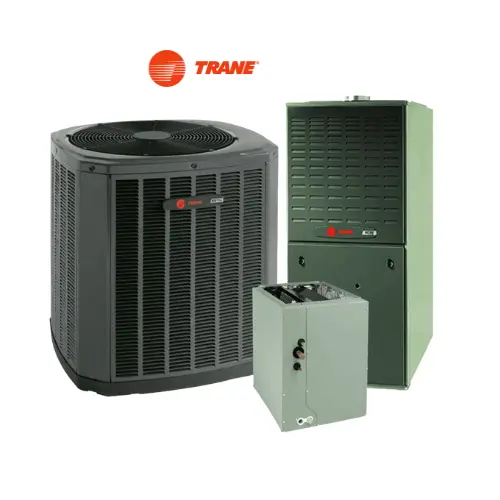
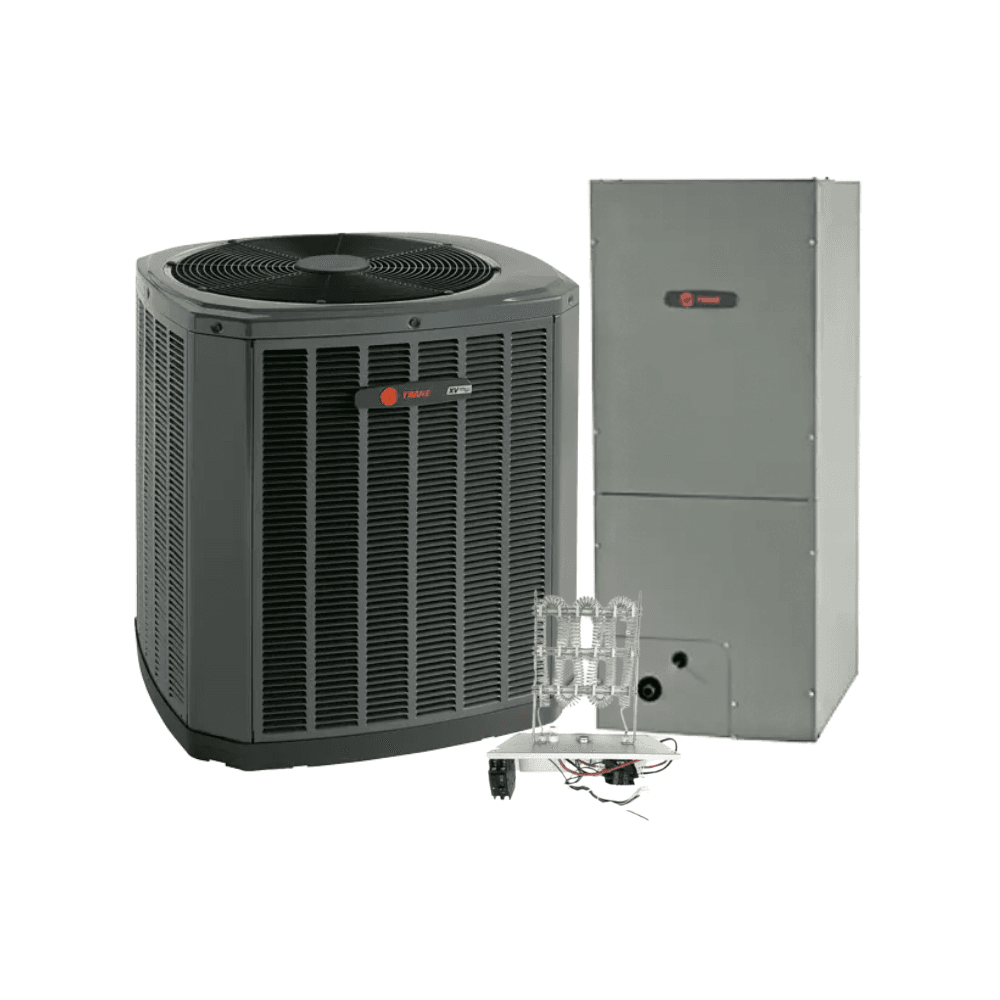
Every central air conditioning system, regardless of brand, relies on the same core components working together to move heat out of your home. The four major components are the evaporator coil, condenser coil, compressor, and expansion valve, and many homeowners end up comparing specific air conditioner condenser models when it’s time for a replacement.
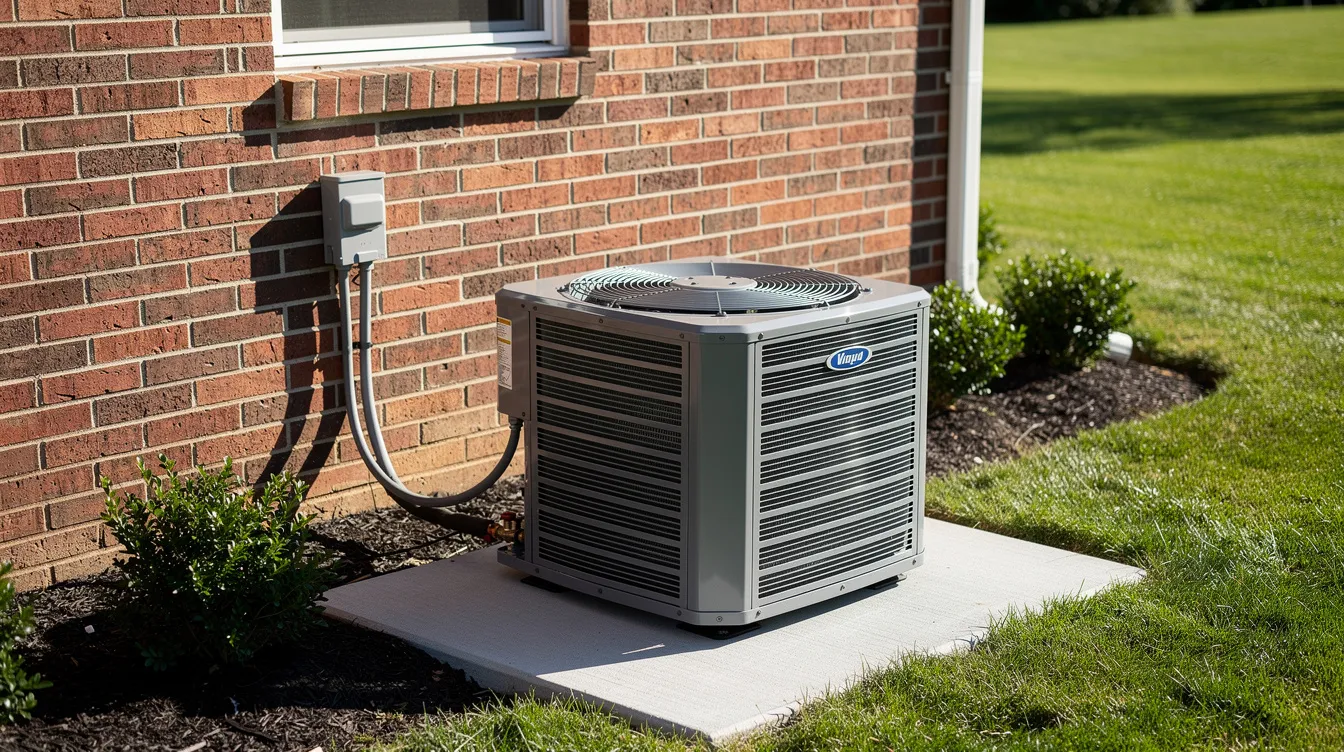
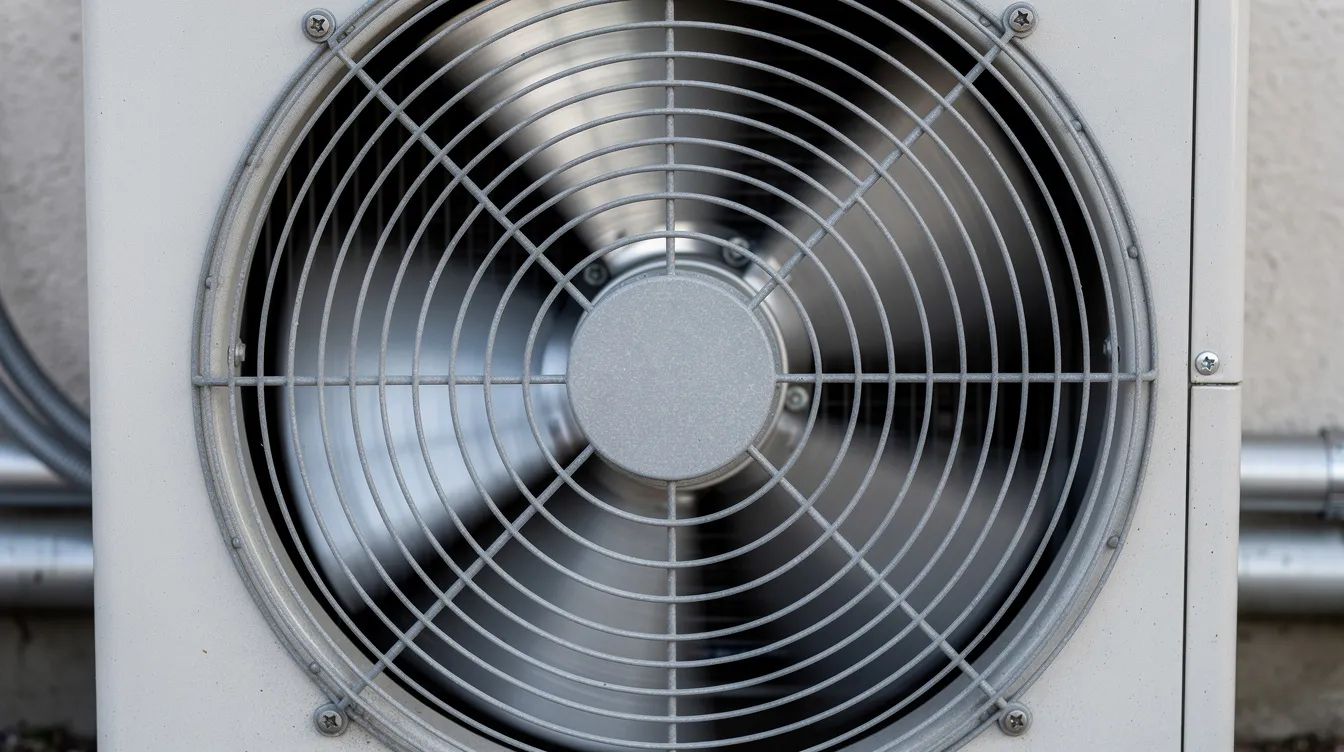
- Outdoor unit (condenser): Located outside on a pad or rooftop, this unit houses the compressor, condenser coil, and a fan. The condenser coil releases heat and humidity outside your home.
- Indoor unit: Either a furnace with a blower fan and an evaporator coil, or a standalone air handler, typically located in a basement, attic, or closet. The evaporator coil absorbs heat and humidity from your home as liquid refrigerant evaporates into a gas inside the coil.
- Expansion valve: This metering device regulates refrigerant flow and drops pressure between the outdoor and indoor coils, controlling cooling capacity.
- Supporting parts: Air filter, supply and return ducts, registers, grilles, and the thermostat that signals when the ac system should cycle on or off.
A split system includes an indoor unit and an outdoor unit, and this configuration is engineered for reliability across a wide range of climates and home sizes.
How a central air conditioning cycle works
Central air conditioning works by absorbing heat and transferring it outdoors, not by creating cold. The system functions by moving heat and humidity from inside the home to the outside through a continuous closed-loop cycle using a refrigerant.
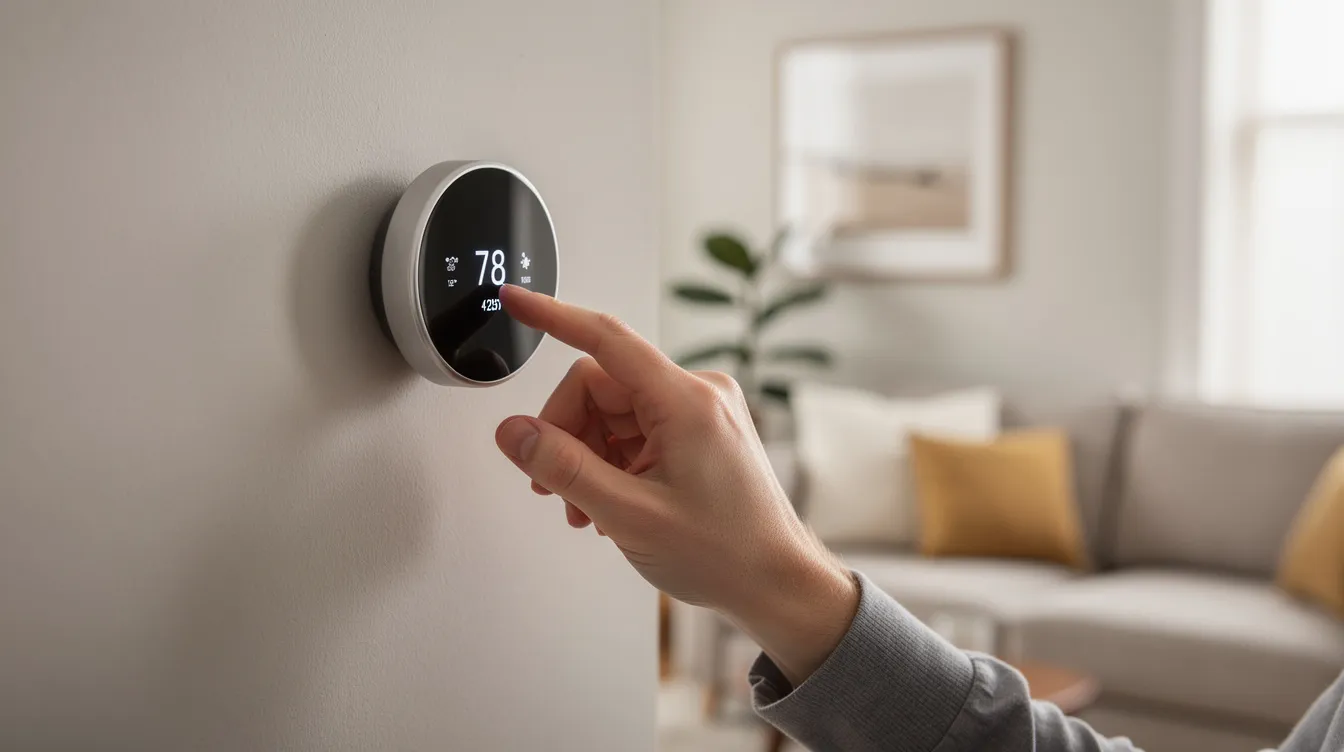
- Thermostat call for cooling: When indoor temperature rises above the setpoint (say 78 °F in July), the thermostat signals the compressor and the indoor blower to start.
- Warm air pulled through return ducts: The indoor blower fan pulls warm air from the home through return ducts, passing it through the air filter and across the cold evaporator coil.
- Heat and humidity removal: As air moves across the coil, the refrigerant absorbs heat and moisture. Condensate water drips into a drain pan and exits through a condensate line. Central air conditioning is effective in controlling indoor humidity during cooling cycles.
- Refrigerant heat transfer outdoors: The gaseous refrigerant flows to the outdoor compressor and condenser unit to release heat. The compressor pressurizes the gas while the condenser coil releases absorbed heat outside.
- Cooled air delivery: The cooled air is distributed back through the ducts into the rooms via supply registers, gradually lowering indoor temperature.
This cycle repeats many times per hour during peak summer. Proper sizing and regular maintenance keep the equipment efficient and quiet, helping homeowners save on electricity over the life of the unit.
Types of central AC systems and efficiency choices
Modern central air conditioners come in several configurations, and the differences in energy use and comfort are significant. Pricing varies based on brand and number of cooling stages.
| Type | How it runs | Best for |
|---|---|---|
| Single-stage | Full capacity only | Budget-conscious buyers; mild climates |
| Two-stage | Low (~60 %) or full capacity | Better humidity control; moderate climates |
| Variable-speed | Continuously adjusts output | Premium comfort; hot, humid climates |
| Efficiency is measured in SEER2 ratings. Entry-level ac units start around 14.3 SEER2, while high-performance models exceed 22 SEER2. A 36,000 BTU/h system rated at SEER2 23.5 costs roughly $288 per year to run, compared to about $504 per year for a unit rated at SEER2 13.4, so even a basic 14.3 SEER2 Trane condenser can represent a meaningful upgrade over much older equipment. |
On the refrigerant side, older systems called R-22 are no longer manufactured, and R-410A equipment has been banned for new residential production since January 2025. Newer low-GWP refrigerants like R-454B are the replacement, which is one more reason to explore upgrading rather than pouring money into repairs on outdated equipment or trying to keep obsolete condenser and coil combinations running.
The “best” system depends on local climate, electricity prices, and budget. Heat pumps are also worth considering where both heating and cooling are needed. Getting the right size air conditioner unit is just as important as choosing the brand. Balance upfront cost with expected energy savings over 10–15 years, and look for energy efficient models that qualify for federal tax credits (SEER2 ≥ 17 for split systems as of 2025).
If you struggle with uneven temperatures or rising energy bills, a variable-speed system may be worth the extra investment.
Choosing, installing, and maintaining a central air conditioning system
Careful selection, professional installation, and routine maintenance matter just as much as the brand name on the equipment. An oversized unit will short-cycle and lead to poor humidity removal, while an undersized system may run constantly without reaching the target temperature. A proper Manual J load calculation accounts for square footage, ceiling height, insulation, window area, and local climate data.
Central AC installation costs range from $5,000 to $20,000, and installation costs can differ by region across the United States, so it’s worth checking local prices for a new HVAC system and installation before you commit. Key steps in the process include placing the outdoor unit with proper clearance, running copper refrigerant lines, connecting the indoor coil, sealing ductwork, wiring the thermostat, and verifying refrigerant charge. Some smart thermostats connect to a cloud server to enable remote access and scheduling, giving you a bit more control even when you are away from home. Check whether your municipality or HOA requires permission before placing an outdoor unit, and always hire a certified HVAC technician.
Maintenance checklist:
- Replace or clean the air filter every 1–3 months during cooling season
- Keep the outdoor unit clear of leaves, grass, and debris
- Schedule a professional tune-up at least once per year
- Inspect the condensate drain line for clogs
Central AC systems typically last 12–18 years depending on usage and maintenance. Signs it may be time to replace include frequent breakdowns, steadily rising energy bills, or an aging system that still uses an obsolete refrigerant. If your system won’t turn on, won’t cool, or starts blowing warm air, start with basic troubleshooting for common air conditioner problems before assuming you need a full replacement. Installing a central AC system can also increase the resale value of a home, making the purchase worthwhile from an investment perspective as well; homeowners in North Texas often compare real installed prices for a new AC unit in DFW to decide when an upgrade makes financial sense. For reference, manufacturer spec sheets are sometimes hosted on content delivery networks like edgesuite (http), so always verify details on the brand’s official site.
Understanding how central ac systems work, which options exist, and how to care for them helps you enjoy reliable, efficient comfort through many summers. For budgeting, homeowners often look at installed prices for a 2 ton central air conditioning system or compare replacement AC costs in Florida and typical new AC unit prices in Florida to get a sense of regional differences. Start by getting a professional load calculation and comparing quotes from at least two or three installers in your area.
Repair or Replace Your HVAC System?
Compare repair costs with popular Trane system options.