

Furnace Repair Cost in Houston
Get real Houston furnace repair pricing, common repair costs, repair-versus-replacement advice, and expert recommendations from HVAC professionals with over 11 years of experience.
🔥 Same-Day Service Available
🔥 1-Year Labor Warranty Available
Serving Houston Homeowners • Emergency Furnace Repair • Free Estimates on New Systems
Houston Furnace Repair Cost at a Glance
- Average Repair: $150-$600
- Most Repairs: $150–$1,500
- Major Repairs: $1,500–$3,000+
- Diagnostic Fee: $79–$250
- Emergency Service: Add $150–$500
- New Furnace: $3,500–$8,500+
Expert Furnace Repair Services in Houston
Houston homeowners deserve straight answers on furnace repair cost-not vague estimates that leave you guessing. With over 11 years of field experience serving Houston and surrounding areas, HVAC Services Pro provides comprehensive furnace repair with transparent pricing, so you know exactly what you’re paying for before any work begins.
We offer same day service for urgent heating issues, 24/7 emergency availability, and a 1-year labor warranty on all furnace repairs-one of the strongest guarantees in the Houston HVAC market.
Schedule Your Furnace Service Today! Call (972) 435-6778
How Much Does Furnace Repair Cost in Houston?
Furnace repair costs range from $100 to $3,000, depending on the component that failed, the brand of your system, and whether you need emergency or scheduled service. Most homeowners in Houston pay an average of about $323 for furnace repairs, though costs can vary significantly based on the complexity of the job.
Here’s a detailed breakdown of what Houston homeowners can expect to pay in 2026:
| Repair Type | Houston Cost Range |
|---|---|
| Diagnostic Fee / Service Call | $79 – $250 (often credited toward repair) |
| Ignitor Replacement | $250 – $700 |
| Flame Sensor Replacement | $150 – $400 |
| Control Board Replacement | $500 – $1,500 |
| Blower Motor Replacement | $500 – $2,500 |
| Gas Valve Replacement | $400 – $1,200 |
| Draft Inducer Motor | $500 – $1,500 |
| Heat Exchanger Replacement | $1,500 – $3,000+ |
| Thermostat Replacement | $100 – $300 |
| Emergency Service Premium | Add $150 – $500+ |
| These ranges include both replacement parts and labor costs. The total cost of your repair will vary based on your furnace type, brand, age, and whether any additional component damage is discovered during diagnosis. |
A furnace inspection typically costs between $50 and $300, averaging around $100. Many HVAC companies credit the diagnostic fee toward the repair if you proceed with the work-always ask about this before scheduling.
Most Common Furnace Repairs
After more than a decade of working on heating systems across Houston, these are the common furnace repairs I see most frequently:
Ignitor Replacement
Gas furnace ignitors fail regularly due to heat cycling-expanding and contracting with every heating cycle until they crack. In Houston, where furnaces sit idle for months during our long cooling seasons, humidity accelerates the breakdown. Most ignitors need replacement every 3–7 years.
Flame Sensor Cleaning and Replacement
Houston’s high humidity causes corrosion and buildup on flame sensors faster than in drier climates. Sometimes a thorough cleaning solves the problem for under $100. When the sensor itself has failed, full replacement runs $150–$400 including labor.
Control Board Issues
Electrical surges from Houston’s frequent thunderstorms are one of the leading causes of circuit board failures. A fried control board on a standard furnace costs $500–$1,500, and systems with variable-speed or modulating technology run higher because the boards are more sophisticated.
Blower Motor Problems
The blower motor pushes heated air through your ductwork. Houston’s humidity causes bearing wear, trapped moisture, and dust accumulation that shortens motor life. Replacing a blower motor costs between $300 and $900 for standard single-speed units, while ECM or variable-speed motors can push the total well above $1,500.
Gas Valve Repairs
The gas valve is a safety-critical component that controls fuel flow to your burners. Electronic gas valves on newer systems cost more to replace. Repair costs run $400–$1,200 depending on accessibility and furnace type.
Draft Inducer Motor Replacement
The draft inducer motor pulls combustion gases through the heat exchanger and out your flue. When it fails, your furnace won’t fire at all. Replacement runs $500–$1,500 in the Houston market.
Signs Your Furnace Needs Repair
Houston’s mild winters mean your furnace sits idle for long stretches-sometimes 8 or 9 months. That extended downtime allows moisture, dust, and humidity to damage components quietly. When the first cold front hits, problems show up fast.
Watch for these warning signs:
- No heat or cold air blowing: The most obvious sign something has failed-could be the ignitor, gas valve, control board, or thermostat.
- Strange noises: Banging, squealing, or grinding sounds typically point to blower motor bearing failure, a loose draft inducer motor, or expanding ductwork, and in some cases may coincide with burning odors similar to those from a failing blower motor that makes an HVAC system smell like burning plastic.
- Unusual odors or burning smells: A brief burning smell when your furnace first starts each season is often dust burn-off. Persistent odors could indicate electrical issues or a potential gas leak-shut the system down and call immediately.
- Frequent cycling on and off: Short cycling wastes energy and stresses components. Common causes include a dirty flame sensor, failing ignitor, airflow restrictions, or thermostat malfunction.
- Rising energy bills: If your heating costs spike without a change in usage, your furnace is working harder to compensate for failing components or reduced efficiency.
- Yellow pilot light flame: A healthy gas furnace produces a crisp blue flame. A yellow or orange flame indicates incomplete combustion-a safety hazard that may signal a cracked heat exchanger or gas valve issue.
- Repeated breakdowns: Frequent repairs are a clear indicator that your system is deteriorating. Multiple failures in a single season often mean it’s time to consider furnace replacement.
Repair vs Replace Your Furnace
This is the question I answer most often, and it often leads into broader decisions about which HVAC systems and services are best for your home. Here’s how the numbers break down in Houston:
| Option | Cost Range |
|---|---|
| Furnace Repair | $150 – $2,500 |
| New Furnace Installation | $3,500 – $8,500+ |
| Complete HVAC System Replacement | Starting at $6,999 installed |
| A new furnace typically costs between $3,500 and $7,500 depending on efficiency rating, brand, and installation complexity, and many Houston homeowners evaluate these numbers alongside the installed cost of a new AC unit in TX to plan for full system replacement. |
The 50% rule: If the cost of repair exceeds 50% of the value of a new unit, replacement is often more cost effective. For example, if you’re facing a $1,800 heat exchanger replacement on a 16-year-old furnace, you’re better off putting that money toward a new system.
Age matters: Furnaces over 15 years old should often be replaced rather than repaired. Parts become harder to source, efficiency drops significantly, and you’re likely facing cascading failures where one repair leads to another.
Efficiency considerations: Older furnaces often operate at 60–80% AFUE, meaning up to 40% of your fuel is wasted. A new high-efficiency gas furnace operating at 90–96% AFUE reduces operating expenses significantly-though Houston’s relatively short heating season means the payback period is longer than in northern climates. You can estimate your potential savings with an HVAC energy savings calculator that compares old and new system efficiency.
Frequent repairs are a red flag: If you’ve called for furnace repair two or more times in a single season, your current system is telling you something. Frequent repairs may indicate it’s time to replace your furnace entirely.
What Affects Furnace Repair Cost?
Several factors determine what you’ll pay for furnace repair in Houston:
- Type and complexity of repair: A simple fix like cleaning a flame sensor costs far less than replacing a heat exchanger or blower motor. Component costs drive the majority of the price difference between a $150 repair and a $2,500 repair.
- Parts availability: Brand-specific or discontinued replacement parts cost more and may require shipping delays. Common parts like ignitors and flame sensors are typically stocked on HVAC service trucks for first-visit fixes.
- Labor intensity and time required: Labor rates for HVAC technicians in Houston range from $50 to $150 per hour for scheduled appointments. A flame sensor swap takes 30 minutes; a blower motor replacement can take 2–3 hours, similar to outdoor cooling work such as condenser fan motor replacement in the Houston market.
- Emergency vs. scheduled service: Emergency furnace repair rates can be double to triple regular rates. After-hours, weekend, and holiday calls carry premium dispatch fees and higher hourly labor costs, much like urgent cooling work such as refrigerant leak repair cost guide
- Houston climate effects: Furnaces in Houston often experience extra wear due to extreme humidity and long cooling seasons. Corrosion, condensation damage, and sensor fouling are far more common here than in drier climates, and many homeowners who address their heating system also look at AC repair costs guide
- Warranty coverage status: Active manufacturer or contractor warranties can cover parts, labor, or both-dramatically reducing your out-of-pocket total cost.
- Furnace brand and technology: Proprietary technology, modulating gas valves, ECM blower motors, and advanced circuit boards all cost more to repair than standard components.
Furnace Repair Cost By Brand
Not all furnaces cost the same to repair. Brand, parts availability, and system complexity all affect your final bill. Here’s what I’ve seen across the major brands we service in Houston:
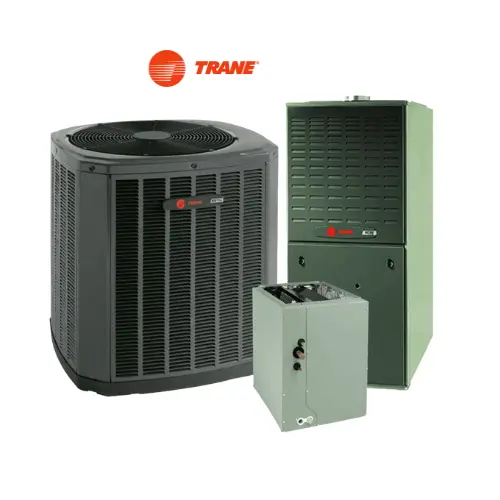
Trane
Premium brand with excellent parts availability in the Houston market. Control boards and electronic components tend to run higher than average. Repair costs are above median but warranty programs are strong.
Carrier
Similar premium pricing to Trane. Electronic gas valves and advanced circuit boards push repair costs above midline brands. Good parts network in Houston means shorter wait times for components.
Lennox
High-efficiency Lennox models use complex, multi-stage components that increase both parts cost and labor time. Replacement parts sometimes have longer lead times. Expect higher repair costs on their premium lines.
Goodman
The most affordable brand for repairs. Parts are typically less expensive, and motor and gas valve replacement costs run lower than premium brands. However, Goodman systems may need more frequent repairs over their lifespan, which can offset the per-repair savings; detailed Goodman HVAC pricing guides illustrate how installation costs compare with other brands.
Rheem
A solid midline brand that’s widely used across Houston. Parts are readily available, and repair costs fall in the moderate range. A good balance of reliability and affordability for most Houston homeowners.
American Standard
Premium pricing similar to Trane and Carrier. Strong warranty coverage on higher-end models. Labor costs can run higher on advanced or specialty units with variable-speed technology.
RunTru
A value-oriented brand with decent parts availability. Repair costs generally fall in the lower to midrange compared to premium competitors-making replacement parts more affordable when issues arise.
How Much Does It Typically Cost to Repair a Home Furnace?
The average furnace repair cost for Houston homeowners falls between $350 and $600 for a standard service visit, including diagnostics, parts, and labor. Most homeowners in Houston pay an average of about $323 for furnace repairs, though this figure reflects the prevalence of simpler fixes like ignitor and flame sensor replacements.
The majority of Houston homes utilize electric heating systems, and electric furnaces are generally cheaper to repair than gas units because they have fewer combustion-related components. Gas furnace repairs tend to run higher because of additional safety testing and more complex parts like gas valves and heat exchangers.
The most common repair scenarios-furnace won’t start, flame sensor fouled, ignitor cracked-typically cost $150–$500. When you’re dealing with a failed blower motor, damaged control board, or cracked heat exchanger, the average cost jumps into the $1,000–$3,000 range.
Seasonal pricing variations exist in Houston. Demand spikes during cold snaps in December through February, and emergency service calls during these periods carry higher premiums due to increased volume. Similar seasonal swings affect cooling systems, where common air conditioner problems like units not turning on or blowing warm air can drive up summertime demand.
What Are Common Price Ranges for Furnace Repair Services?
Furnace repair costs break down into three general tiers:
Minor repairs ($150–$400): This covers flame sensor cleaning or replacement, ignitor replacement on standard systems, thermostat repairs (which range from $100 to $300), minor electrical fixes, and filter-related airflow issues. These are typically a simple fix that an experienced technician can handle in under an hour.
Moderate repairs ($400–$1,000): This range includes gas valve replacement on mid-tier systems, control board replacement on standard furnaces, single-speed blower motor replacement (replacing a blower motor costs between $300 and $900), and draft inducer motor issues. These jobs require more labor time and higher-cost replacement parts.
Major repairs ($1,000–$2,500+): Heat exchanger replacement typically exceeds $1,500. Full blower motor assembly replacement on variable-speed or ECM systems, multiple component failures, and extensive electrical or gas system repairs all fall into this category. A cracked heat exchanger repair typically costs over $1,500 and often pushes homeowners toward full furnace replacement, just as AC compressor replacement costs often push owners toward replacing aging cooling systems.
Emergency service adds $150–$500+ on top of any tier. Emergency service calls can incur an additional 20% to 100% premium on standard labor rates.
What Factors Influence Heating Unit Repair Expenses?
Beyond the specific component that failed, several factors influence your total repair estimate:
System age and model year: A 5-year-old furnace with readily available parts costs less to repair than a 15-year-old unit with discontinued components. Older furnaces may require sourcing parts from specialty suppliers, adding shipping costs and delays.
Seasonal demand: Houston’s HVAC market sees concentrated heating demand during brief cold spells. When temperatures drop unexpectedly, service call volume spikes and emergency premiums increase. Scheduling routine maintenance during fall-before peak demand-helps you avoid premium pricing.
Contractor selection and reputation: Labor rates for furnace repairs range from $75 to $150 per hour across Houston. Experienced technicians with proper licensing charge higher rates but typically diagnose and resolve issues faster, reducing total labor time. A qualified HVAC technician may cost more per hour but save you money overall by getting the repair right the first time.
Parts availability and shipping: Most companies stock common parts like ignitors and flame sensors on their trucks, enabling first-visit repairs. Specialty or brand-specific components may require ordering, which can add days and shipping fees to your total cost.
Fuel type and system complexity: Natural gas furnaces have more components (gas valve, heat exchanger, draft inducer) than electric furnaces, which generally translates to higher repair costs for gas systems, and many homeowners coordinate this with broader HVAC services for heating and cooling in nearby houston, TX when planning whole-home comfort upgrades.
How Much Does It Cost to Replace a Faulty Ignitor in a Gas Furnace?
Ignitor replacement is one of the most frequent furnace repairs in Houston. The part itself typically costs $40–$100, but once you factor in labor (0.5–1.5 hours at Houston rates), the total runs $250–$700 depending on several factors:
Type of ignitor: Hot-surface ignitors (the most common in modern gas furnaces) are straightforward to replace. Older systems with standing pilot lights may require different components and additional calibration.
Accessibility: Furnaces installed in tight attic spaces-common in Houston homes-require more labor time than units in open utility closets or garages.
Wiring condition: If the wiring harness connected to the ignitor has been damaged by heat or humidity, the repair scope expands beyond a simple swap.
Indicator of larger issues: When an ignitor fails, I always inspect the control board and safety devices. Repeated ignitor failures can signal voltage irregularities, a failing control board, or gas supply issues. If multiple components need attention, costs rise accordingly.
In Houston specifically, ignitors often fail when heating begins after long idle months. The combination of humidity exposure during summer and thermal shock during the first heating cycle is hard on these components.
Can I Get a Warranty With Furnace Repair Services?
Yes-and warranty coverage should be a major factor in choosing your HVAC company.
HVAC Services Pro warranty: We provide a 1-year labor warranty on all furnace repairs, giving you long-term protection and peace of mind that goes well beyond what most companies offer in the Houston market.
Manufacturer parts warranties: Most premium brands (Trane, Carrier, Lennox, American Standard) offer 5–10 year parts warranties, with some heat exchanger warranties extending to the lifetime of the original owner. These warranties typically require proof of annual maintenance to remain valid.
What warranty coverage includes: Parts replacement, labor for covered repairs, and sometimes diagnostic fees. Specific coverage varies by contractor and manufacturer.
What warranties typically exclude: Damage from improper installation, lack of regular maintenance, unauthorized modifications, and cosmetic issues. Emergency or after-hours repairs may have warranty limitations-always verify before authorizing work.
Protecting your warranty: Most warranty terms require annual maintenance visits, timely filter replacement, and use of licensed professionals for all repairs. Skipping your annual furnace tune up or using an unlicensed technician can void manufacturer coverage entirely.
How Much Does Emergency Furnace Repair Cost?
Emergency furnace repair rates can be double to triple regular rates. Here’s what to expect in the Houston market:
- Standard labor rates: $75–$150/hour during regular business hours
- Emergency/after-hours labor rates: $150–$290/hour
- Emergency dispatch fees: $150–$500+ on top of regular diagnostic charges
- Weekend and holiday premiums: Expect 1.5x to 2x the standard rate
A furnace repair that costs $350 during a Tuesday afternoon appointment might run $600–$800 or more on a Saturday night. Emergency service calls can incur an additional 20% to 100% premium on standard labor rates depending on the time and day.
When is emergency service truly necessary? If you smell gas, hear your carbon monoxide detector alarming, or have no heat during a freeze with vulnerable household members (elderly, infants, medical conditions), don’t hesitate to call for emergency service. For situations where heat is reduced but not absent, scheduling a next-day appointment can save money significantly.
At HVAC Services Pro, we offer same day service for urgent situations and priority service scheduling to get your heating restored as quickly as possible.
How Can Homeowners Compare Furnace Repair Estimates?
Getting multiple repair estimates is the single best way to ensure you’re paying a fair price. Here’s how to evaluate them effectively:
Request itemized quotes. Every repair estimate should break down parts (with brand names and part numbers), labor hours, hourly rate, diagnostic fees, and any emergency or travel charges. A lump-sum “furnace repair: $800” quote tells you nothing.
Ask about diagnostic fee credit. Many Houston contractors charge $79–$250 for diagnostics but credit that fee toward the repair if you proceed with the work. Understand this policy upfront.
Compare warranty terms. A $600 repair with a 5-year labor warranty is a better value than a $500 repair with a 90-day guarantee. Warranty coverage protects your investment long after the technician leaves.
Request photos of failed components. A reputable HVAC technician will show you what failed and why. Photos make it easier to get a second opinion and verify the diagnosis.
Watch for red flags. Suspiciously low estimates may involve aftermarket or subpar parts that reduce longevity or void manufacturer warranties. Extremely high estimates should include detailed justification for the cost. If a contractor pushes hard for full replacement without clearly explaining why repair isn’t viable, seek another opinion.
Verify credentials. Confirm that any contractor you’re considering is licensed, insured, and has a solid reputation through local reviews and references.
Should I Repair or Replace My Furnace?
This decision comes down to four key factors:
Age: Furnaces over 15 years old should often be replaced. Parts become scarce, efficiency drops, and you’re statistically more likely to face cascading failures. If your furnace is under 10 years old, repair almost always makes financial sense.
Repair cost vs. replacement cost: If the cost of repair exceeds 50% of the value of a new unit, replacement is often more cost effective. A $2,000 repair on a system where a new furnace costs $4,000 puts you squarely in replacement territory-especially if the system is already aging.
Repair frequency: If you’ve needed two or more repairs in the past 18 months, your system is in decline. Each individual repair might seem reasonable, but the cumulative cost of frequent repairs often exceeds what a new system would cost over the same period.
Energy efficiency: Older furnaces with 60–80% AFUE ratings waste 20–40% of fuel. A modern high-efficiency gas furnace (90–96% AFUE) reduces your energy bills each heating season. In Houston’s climate, the savings are modest compared to northern states, but they add up over a 15–20 year system lifespan-particularly if natural gas rates rise.
The bottom line: repair your furnace if it’s under 15, the repair is under 50% of the average furnace replacement cost, and breakdowns are infrequent. Replace your furnace if it’s aging, repairs are stacking up, or a major component like the heat exchanger has failed.
Why Is Furnace Repair So Expensive?
Furnace repair isn’t just “fixing a machine”-it involves safety-critical work on systems that burn fuel and distribute heated air throughout your home. Here’s why repair costs are what they are:
Specialized labor and certification: HVAC technicians require extensive training, EPA certification, and state licensing. Gas furnace work involves combustion safety, electrical diagnostics, and carbon monoxide testing. This level of expertise commands higher labor rates than general handyman work.
Safety requirements: Gas valves, heat exchangers, and control boards must be correctly sized, calibrated, and tested. Improper installation creates fire and carbon monoxide risks. Most significant HVAC repair work requires using a licensed professional.
Quality parts carry a premium: OEM (original equipment manufacturer) parts cost more than aftermarket alternatives, but they’re built to spec and maintain warranty coverage. Advanced components-variable-speed blower motors, modulating gas valves, smart-compatible circuit boards-are inherently more expensive.
Operational overhead: Running a legitimate HVAC company in Houston requires insurance, bonded technicians, stocked trucks, parts inventory, and 24/7 dispatch capability. These operating expenses are built into every service call.
Houston climate factors: Furnaces in Houston often experience extra wear due to extreme humidity and long cooling seasons. Corrosion from humidity, condensation damage during idle months, and electrical surges from storms create repair needs that are less common in drier, more temperate markets.
Urgency premiums: After-hours, same-day, and holiday service requires paying technicians premium rates, maintaining on-call staffing, and dispatching trucks outside normal operations, similar to the way emergency air conditioning repair services are priced during peak summer heat.
What Is the Most Expensive Furnace Repair?
The heat exchanger replacement holds the title for the most expensive common furnace repair. A cracked heat exchanger replacement typically exceeds $1,500, with many jobs running $2,000–$3,000+ in Houston depending on the furnace brand and installation complexity.
Heat exchanger replacement is expensive because the component itself is costly, and the labor required to access and replace it often means partially disassembling the furnace. Safety testing after installation adds additional time and cost.
Complete blower motor assembly replacement ranks second. High-end ECM or variable-speed blower motors can cost $1,000–$2,500+ installed-far more than standard single-speed motors.
Multiple component failure scenarios can rival or exceed the high cost of a single major repair. When a power surge damages the control board and also takes out the ignitor, gas valve, or safety controls, the combined repair costs can approach or exceed the average furnace replacement cost-making replacement the more cost effective choice.
When any single repair exceeds $1,500, I always discuss replacement options with the homeowner. At that price point, you’re investing significant money into a system that may have other aging components ready to fail next, so it often makes sense to compare local prices for a new HVAC system and installation before committing.
How Long Does a Furnace Usually Last?
The average furnace lifespan in Houston is 15–20 years for properly maintained gas furnaces. Electric furnaces sometimes last slightly longer because they have fewer mechanical and combustion-related components.
Several factors extend or shorten furnace life:
- Regular furnace maintenance: Annual tune-ups, filter changes, and cleaning extend lifespan by years. Regular tune-ups can extend your furnace’s lifespan by years. Neglected systems degrade faster.
- Houston’s humidity: Moisture accelerates corrosion on metal components, particularly the heat exchanger, burner assembly, and electrical connections. This is unique to our climate.
- Usage patterns: Houston furnaces run far less than furnaces in northern states, which reduces mechanical wear. However, the long idle periods introduce their own problems-dust accumulation, condensation damage, and component degradation from disuse.
- Installation quality: A properly sized and installed furnace lasts longer than an oversized or poorly installed unit that short-cycles and stresses components.
Signs your furnace is approaching end of life: Increasing repair frequency, rising energy bills despite routine maintenance, inconsistent heating, visible rust or corrosion, and difficulty sourcing replacement parts.
Can a Furnace Last 20 Years?
Yes-but with caveats. A high-quality gas furnace from a premium brand like Trane or Carrier, paired with consistent annual maintenance, can absolutely reach and exceed 20 years of service. I’ve worked on systems in Houston that are 22–25 years old and still functional.
However, functional doesn’t mean efficient or safe. At 20 years, most furnaces operate well below their original efficiency rating. Component costs rise as parts become harder to source. Safety concerns increase-particularly around the heat exchanger, which undergoes thousands of heating and cooling cycles over two decades.
Houston climate effects on longevity: Our humidity accelerates corrosion and component wear even when the furnace isn’t running. A 20-year-old furnace in Houston has endured 20 summers of moisture exposure in addition to 20 winters of operation.
Maintenance schedule for 20+ year systems: If you’re committed to keeping an older system running, schedule maintenance twice per year-once in fall before heating season and once in spring. Include combustion analysis, heat exchanger inspection, and comprehensive electrical testing. A typical maintenance visit costs between $50 and $300.
When it becomes cost-prohibitive: Once repair costs in a single year approach 30–40% of the cost of a new furnace, the math favors replacement. At 20+ years, most homeowners save money long-term by investing in a new system rather than patching an aging one.
What Is a Cracked Heat Exchanger?
The heat exchanger is the core component of your gas furnace. It’s a set of metal chambers where combustion gases transfer heat to the air being circulated through your ductwork. The burners heat the exchanger, and the blower motor pushes household air across the hot metal surfaces, delivering heated air into your living spaces.
How cracks develop: Every heating cycle causes the metal to expand as it heats and contract as it cools. Over thousands of cycles, this thermal stress causes metal fatigue, particularly at welded joints and bends. Houston’s humidity adds another element-moisture causes corrosion and acid condensation inside the exchanger, weakening the metal from within.
Why cracks are dangerous: A cracked heat exchanger allows combustion gases-including carbon monoxide-to leak into the air stream that’s being blown through your home. Carbon monoxide is odorless and colorless, making it impossible to detect without proper sensors.
Warning signs: A yellow or flickering burner flame (instead of steady blue), soot buildup around the furnace, persistent headaches or flu-like symptoms among household members, and carbon monoxide detector alarms all warrant immediate inspection. If your furnace triggers a safety lockout code, a cracked heat exchanger is one of the first things an HVAC technician will check.
Regular furnace maintenance and annual inspections help identify cracks before they become safety emergencies. Furnace inspections help identify issues before they escalate.
Can a Cracked Heat Exchanger Be Repaired?
In most cases, no. A cracked heat exchanger is considered a safety hazard, and building codes in Houston and across Texas generally require full replacement rather than patching or welding.
Why welding doesn’t work: Welding or brazing a cracked exchanger is not approved by manufacturers and typically violates local building codes. The repair rarely holds long-term because the same thermal stresses that caused the original crack will stress the weld. Most importantly, a failed weld creates a carbon monoxide risk-the stakes are too high for a patch job.
Replacement cost: Replacing a cracked heat exchanger costs over $1,500, with many jobs running $2,000–$3,000+ depending on the furnace make and model. This includes the part, extensive labor, safety testing, and sometimes permit fees.
When full system replacement makes sense: If your furnace is older than 12–15 years and needs a heat exchanger, replacement of the entire furnace is almost always the smarter investment. You’ll get a new warranty, improved efficiency, and modern safety features-rather than sinking $2,000+ into an aging system where the blower motor or control board could fail next season.
How Much Does a Furnace Cost to Run Each Month?
Monthly operating costs depend on your fuel type, system efficiency, and how much you actually use your furnace during Houston’s brief heating season.
Natural gas furnaces: With 80% AFUE efficiency, expect $50–$150 per month during active heating months (typically December through February). High-efficiency models (90–96% AFUE) reduce gas consumption proportionally, though the savings per month are modest given Houston’s limited heating days.
Electric furnaces: Lower upfront repair costs but higher operating expenses per heating hour. Electric rates in Houston vary by provider, but electric heating generally costs more per BTU than natural gas.
Factors that influence monthly cost:
- AFUE rating: Higher efficiency = less fuel wasted = lower bills
- Home insulation: Poor insulation forces your furnace to work harder and run longer
- Thermostat settings: Every degree higher adds approximately 3% to heating costs
- System condition: Dirty filters, failing components, and lack of regular maintenance reduce efficiency and increase operating expenses
Energy-saving tips for Houston homeowners: Regular furnace maintenance prevents costly repairs and maintains peak performance efficiency. Annual maintenance can lower energy bills significantly. Change filters every 1–3 months during heating season. Consider a programmable or smart thermostat to avoid heating an empty house. And ensure your ductwork is sealed-leaky ducts can waste 20–30% of your heated air before it reaches living spaces, affecting both comfort and indoor air quality.
How to Avoid Overpaying for Furnace Repairs
After 11 years in this industry, I’ve seen homeowners overpay for repairs they didn’t need and underpay for work that was done poorly. Here’s how to protect yourself:
Get multiple estimates. Always get 2–3 repair estimates from licensed Houston contractors before committing to major work. This gives you a realistic range for comparison and helps identify outliers.
Ask for part numbers and brand names. Knowing whether you’re getting OEM or aftermarket replacement parts lets you compare apples to apples. OEM parts typically cost more but maintain warranty coverage and ensure proper fit.
Request warranty details in writing. Understand what’s covered, for how long, and what conditions apply. A 5-year labor warranty provides far more protection than a 90-day guarantee. Don’t accept verbal warranty promises-get it documented.
Ask for photos of failed components. A trustworthy HVAC technician will show you exactly what failed and why. Photos help you verify the diagnosis and make it easier to get informed second opinions.
Understand diagnostic fees. A furnace inspection typically costs between $50 and $300. Find out upfront whether the diagnostic fee is separate or credited toward your repair. Most reputable companies credit the fee if you proceed.
Know when replacement makes more financial sense. If repair costs approach 50% of the cost of a new system-or if you’re facing your third repair in two years-making replacement your priority saves money long-term. Don’t let a contractor talk you into a $2,000 repair on a furnace that’s 18 years old.
Recognize high-pressure sales tactics. Any contractor who demands an immediate decision, won’t provide a written repair estimate, or refuses to let you get a second opinion is not operating in your best interest.
Need Furnace Repair in Houston?
HVAC Services Pro provides comprehensive furnace diagnostics, transparent repair estimates, emergency service, and replacement options throughout the Houston area. With over 11 years of experience, we deliver honest assessments-not upsells.
- Free diagnostics with every approved repair
- 5-year labor warranty on all furnace repairs
- 24/7 emergency service throughout Houston and surrounding areas
- Same day service for urgent heating issues
- Experienced technicians trained on all major brands
Call (972) 435-6778 for immediate assistance.
Frequently Asked Questions
How much does the average furnace repair cost in Houston?
Most homeowners in Houston pay an average of about $323 for furnace repairs. However, furnace repair costs range from $100 to $3,000 depending on the component that failed, your system’s brand, and whether emergency service is needed. Minor repairs like ignitor or flame sensor replacement fall in the $150–$400 range, while major repairs like heat exchanger or blower motor replacement can exceed $1,500.
How much does a furnace inspection cost?
A furnace inspection typically costs between $50 and $300, averaging around $100. Many HVAC companies credit this diagnostic fee toward the cost of repair if you proceed with the work. Furnace inspections help identify issues before they escalate into expensive emergencies.
Is it worth repairing a 20-year-old furnace?
Generally, no. Furnaces over 15 years old should often be replaced rather than repaired. At 20 years, parts are harder to source, efficiency has declined significantly, and safety risks increase. If the cost of repair exceeds 50% of the value of a new unit, replacement is often more cost effective.
What is the most common furnace repair?
Ignitor replacement and flame sensor cleaning or replacement are the most common furnace repairs in Houston. Both components are affected by Houston’s humidity and the long idle periods between heating seasons. These repairs typically cost $150–$700 depending on the part and system type.
How quickly can I get emergency furnace repair in Houston?
At HVAC Services Pro, we offer same day service for emergency heating situations. Emergency furnace repair rates can be double to triple regular rates, so costs will be higher than scheduled appointments. We recommend emergency service when you smell gas, detect carbon monoxide, or have no heat during freezing temperatures.
Do I need a permit for furnace repair in Houston?
Most minor furnace repairs do not require permits. However, significant alterations, full system replacements, or gas line work may require permits and inspections per Houston building codes. Your HVAC company should handle permit requirements as part of the job.
How often should I schedule furnace maintenance?
Annual maintenance is the minimum recommendation. In Houston, scheduling a furnace tune up each fall before heating season helps catch issues caused by humidity and idle-time damage. Regular furnace maintenance prevents costly repairs and keeps your system running at peak performance. A typical maintenance visit costs between $50 and $300.
Why does my furnace keep shutting off?
Short cycling has several possible causes: a dirty or failing flame sensor, clogged air filter that restricts airflow, thermostat malfunction, oversized furnace, or cracked heat exchanger triggering a safety shutoff. A qualified HVAC technician can diagnose the specific cause and provide a repair estimate.
Can I repair my furnace myself?
Basic tasks like replacing air filters are fine for homeowners. However, any work involving gas lines, electrical components, combustion systems, or refrigerant requires a licensed professional. Improper repairs create serious safety risks including fire, gas leaks, and carbon monoxide exposure-and will void your warranty coverage.
How much does it cost to replace a furnace blower motor?
Replacing a blower motor costs between $300 and $900 for standard single-speed motors. ECM or variable-speed blower motors can cost $1,000–$2,500+ installed due to the higher component costs and additional programming required.
What brands of furnaces do you repair?
HVAC Services Pro services all major furnace brands including Trane, Carrier, Lennox, Goodman, Rheem, American Standard, RunTru, York, Bryant, and more. We stock common replacement parts for first-visit repairs whenever possible.
Does regular maintenance really save money?
Yes. Regular tune-ups can extend your furnace’s lifespan by years and annual maintenance can lower energy bills significantly. Maintenance plans catch small issues before they become major repairs. A $100–$200 annual tune-up prevents the kind of neglect that leads to $1,000+ component failures.
What’s the difference between gas furnace and electric furnace repair costs?
Electric furnaces are generally cheaper to repair than gas units because they have fewer components-no gas valve, heat exchanger, or draft inducer motor to fail. However, the majority of Houston homes utilize electric heating systems, so parts availability for both types is excellent in our market.
How do I know if my heat exchanger is cracked?
Warning signs include a yellow or flickering burner flame, soot accumulation around the furnace, unusual odors during operation, and carbon monoxide detector alerts. A cracked heat exchanger is a serious safety hazard. Only a qualified HVAC technician with proper testing equipment can confirm a crack-visual inspection alone is not always sufficient.
What does your 5-year labor warranty cover?
Our 5-year labor warranty covers the cost of labor for any covered repair performed by HVAC Services Pro. If a component we installed fails within 5 years, we return to replace it without additional labor charges. This warranty provides significantly more protection than the industry-standard 1-year guarantee most companies offer.
How can I lower my monthly heating costs?
Replace air filters regularly, seal ductwork leaks, improve home insulation, use a programmable thermostat, and keep up with routine maintenance. Upgrading from an older 80% AFUE furnace to a modern 95% AFUE system reduces fuel consumption substantially. Even in Houston’s short heating season, these steps reduce energy bills and extend system life.
When should I call for emergency furnace repair vs. waiting?
Call immediately if you smell gas, your carbon monoxide detector is alarming, or you have no heat during freezing temperatures-especially with vulnerable household members. If your furnace is producing some heat but not performing optimally, scheduling a next-day appointment saves you the emergency premium and gets the same quality repair.
What should I do if my furnace breaks down during a cold snap?
If your furnace breaks during a Houston cold snap, check your thermostat settings and air filter first-sometimes it’s a simple fix. If those are fine, call for emergency service. Use space heaters safely as a temporary measure and keep interior doors open to distribute any residual heat. Never use your oven or stovetop for home heating-this creates serious carbon monoxide and fire risks.
Repair or Replace Your HVAC System?
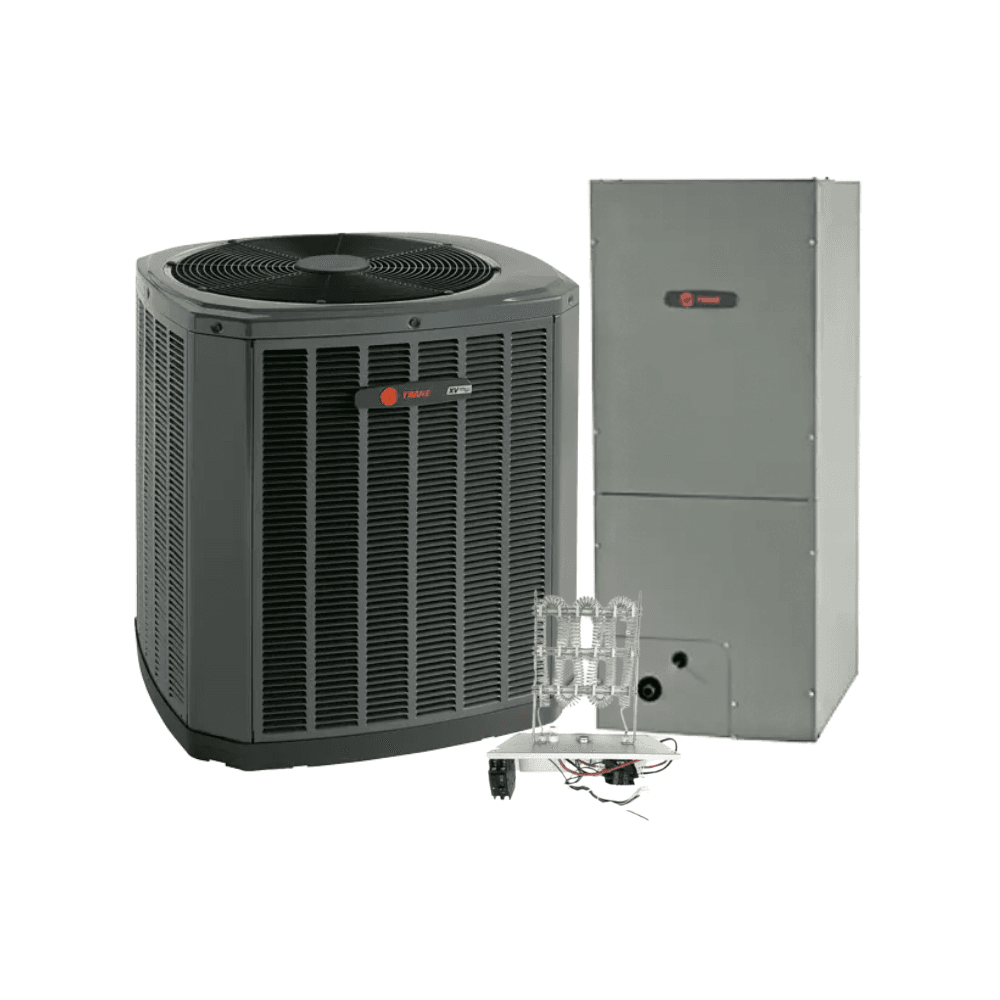
Compare repair costs against a new energy-efficient Trane system.