





HVAC Install: Step-by-Step Guide to a Safe, Efficient New System
Learn what happens during a professional HVAC installation, from sizing and equipment selection to permits, ductwork, startup testing, and warranty registration.
>
HVAC Install: Step‑by‑Step Guide to a Safe, Efficient New System
A professional HVAC install is the process of replacing or adding heating, cooling, ventilation, controls, and related hvac equipment so your home stays comfortable safely and efficiently. The job may involve an air conditioner, heat pump, furnace, air handler, thermostat, air ducts, refrigerant lines, and electrical connections.
Common options include central air conditioning systems, a split system with an outdoor unit and indoor evaporator coil, ductless mini split systems for a room addition, or a heat pump that provides both heating and cooling. In 2025–2026, rising energy costs, stricter local building codes, and demand for better energy efficiency make proper hvac installation more important than ever.
DIY ac installation is risky because refrigerant handling requires Environmental Protection Agency certification, warranties can be denied, and electrical issues or gas mistakes can create serious safety hazards.
Key benefits of proper installation:
- Consistent temperatures and better humidity control
- Lower utility bills in the long run
- Fewer repairs and longer equipment life
- Safer heating, cooling, electrical, and gas operation
Introduction to HVAC Install
A good hvac system is not just a box outside the house. It is a connected system of equipment, ducts, controls, drainage, airflow, and safety devices. Proper hvac installation makes sure the system operates efficiently instead of wasting air, overworking parts, or leaving uneven temperatures from room to room.
Professional installation also protects warranties. Most manufacturers offer 10-year parts warranties, while labor warranties usually depend on the contractor, so homeowners should understand the difference before signing.
Do You Really Need a New HVAC System?
Replacement makes sense when repairs no longer restore comfort or when an ac unit, heat pump, or furnace is near the end of its service life. A typical air conditioner lasts 12–15 years, a gas furnace about 15–20 years, and a heat pump around 10–15 years.
Signs it may be time to replace the old system include:
- Frequent repairs over the past 12 months
- Rooms that never cool or heat properly
- A noisy outdoor condenser or failing hvac unit
- A unit installed before 2011 with older efficiency standards
- Rising energy bills without major usage changes
- Poor humidity control, refrigerant leaks, or water drainage problems
Replacing an HVAC system that is over 10 years old with a higher SEER2 model can lead to savings of up to 20% on heating and cooling costs. An in-home assessment by certified technicians can confirm whether a full HVAC install is needed or whether targeted repairs are enough, especially when you are already dealing with air conditioner problems like a unit that won’t turn on or cool properly.
Choosing the Right HVAC System for Your Home
The right fit starts with a load calculation, not guesswork. A proper load calculation is essential to determine what size air conditioner unit you need based on factors such as square footage, insulation, and layout of the building. The Heating Load Worth (HLW) calculation considers the home’s location, size, age, construction materials, and sun exposure to ensure the HVAC unit is appropriately sized for efficient operation.
Avoid contractors who guess the system size based solely on your home’s square footage. Choosing the right size HVAC unit is crucial for maintaining indoor comfort; an undersized unit will overwork itself, leading to breakdowns and higher energy bills, while an oversized unit can cause uneven temperatures due to rapid cycling.
System options include:
- Central air conditioning with gas furnace: best when existing ductwork is in good shape.
- All-electric heat pump: choosing the best size heat pump for a typical 1,500 sq. ft. home is critical, because heat pumps are versatile systems that can provide both heating and cooling by transferring heat into or out of a home, making them an energy-efficient choice for climate control.
- Ductless mini-split systems: ideal for homes without existing ductwork, offering quiet and efficient room-by-room temperature control.
Split system HVAC units consist of an outdoor unit housing the compressor and condenser, and an indoor unit that contains the evaporator coil, allowing for efficient temperature management. The Seasonal Energy Efficiency Ratio (SEER) measures the efficiency of air conditioning systems, with higher SEER ratings indicating greater energy efficiency and lower energy consumption over time. SEER2 and HSPF2 are the current efficiency measures for modern equipment; ENERGY STAR lists qualifying heat pump criteria.
Smart thermostats and zoning can help multi-story homes, especially homes built before 2000. A professional consultation should give 2–3 options with pros, cons, model numbers, price ranges, and warranty details.
Energy Efficiency and Long‑Term Savings
Energy efficiency should be a primary factor in any 2025–2026 HVAC install because the upfront cost is only part of ownership. The seasonal energy efficiency ratio tells you how efficiently an air conditioning unit converts electricity into cooling.
For example, upgrading from 10 SEER to 16 SEER2 air conditioning can cut cooling costs by 20–30% in a typical 2,000 sq. ft. home, and tools like an energy savings calculator for HVAC upgrades can help estimate your specific bill reductions. Energy efficiency in HVAC systems can be significantly improved by using variable-speed blowers and two-stage compressors, which allow the system to consume less energy during lower temperature conditions.
To save money:
- Seal and insulate ductwork, especially ducts in attics and crawlspaces, to reduce cooled air loss.
- Choose Energy Star certified equipment when rebates require it.
- Pair a high-efficiency system with a smart thermostat to reduce energy use by another 5–10%.
The HVAC Install Process: From Quote to First Cool Air
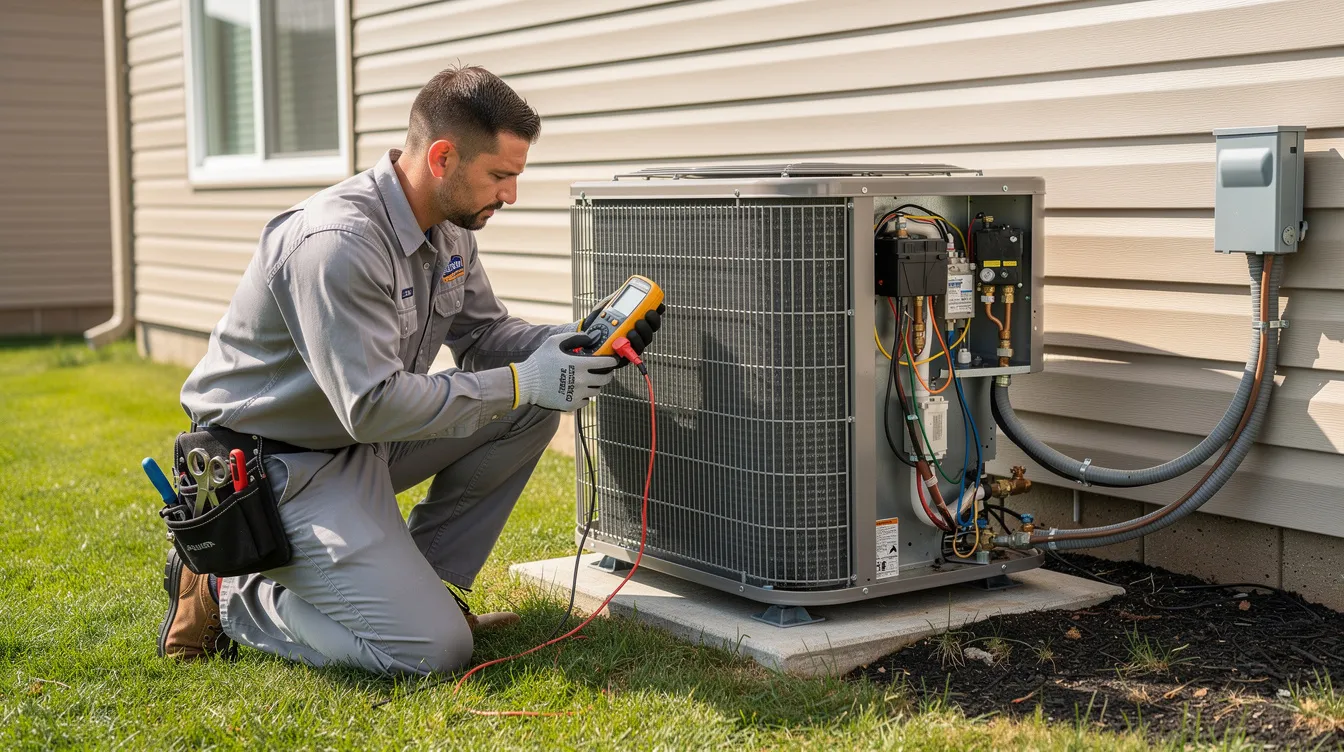
A standard air conditioning system replacement often takes 1–2 days, and much of that time is spent setting and connecting the outdoor AC condenser unit correctly. Larger jobs with new ductwork, electrical upgrades, or system-type changes can take longer. The HVAC installation process typically involves a 7-step procedure that includes site evaluation, permit acquisition, old system removal, new system installation, ductwork, electrical and controls setup, and testing and startup, so working with a full‑service HVAC systems and installation provider that follows these steps is important.
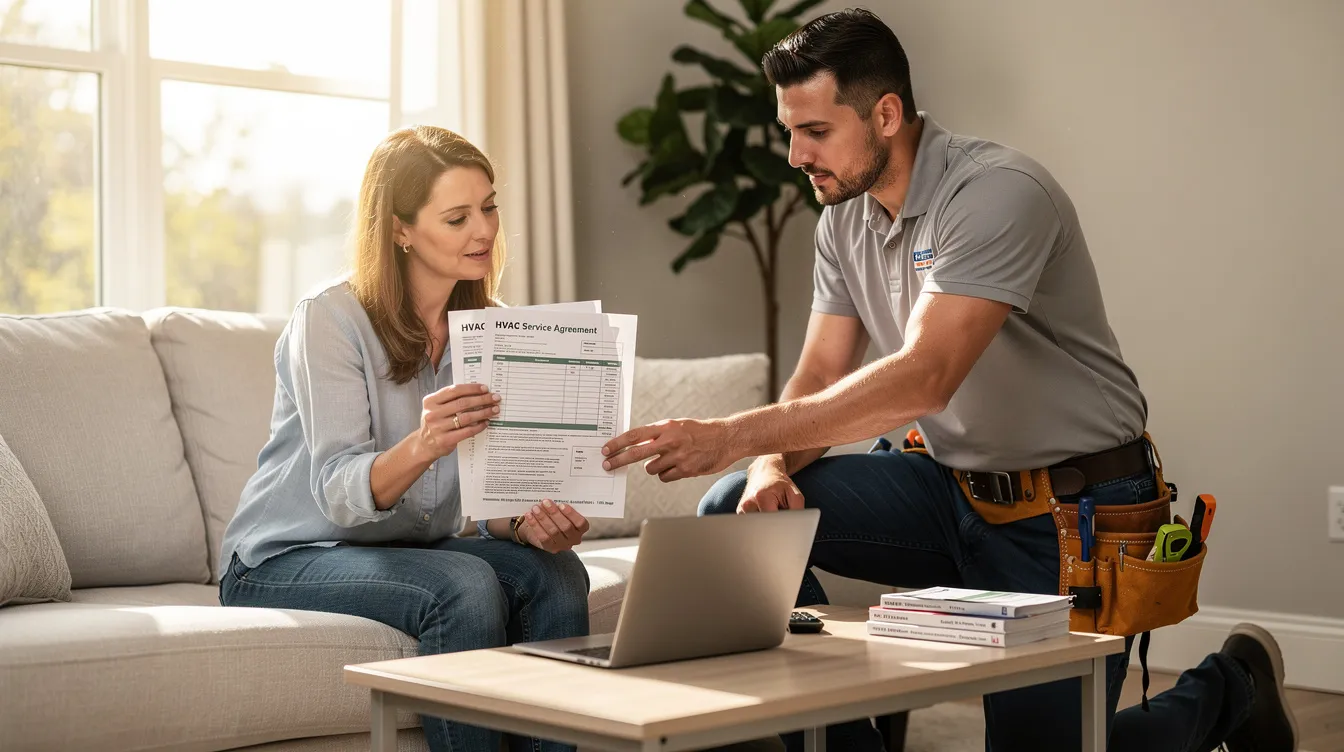
Before work begins, require written, itemized estimates that break down equipment costs, labor, and permit fees. Gather at least three quotes when hiring an HVAC contractor.
Site Evaluation and System Design
During the site evaluation, technicians assess the best placement for HVAC units, evaluate existing ductwork, and gather data on electrical capacity and airflow to ensure efficient operation. A reliable installer must evaluate existing ducts for leaks, poor design, or blockages before putting in a new system.
Inspection checklist:
- Room size, insulation, window direction, occupancy, and building layout
- Existing ductwork condition and airflow restrictions
- Electrical panel capacity, such as 150-amp versus 200-amp service
- Outdoor units placement, clearances, noise, drainage, and service access
- Homeowner prep: clear attic, basement, closet, driveway, and secure pets
Permits, Codes, and Safety Requirements
Most municipalities require permits before install work starts. Obtaining necessary permits, such as mechanical, electrical, and gas permits, is crucial before starting HVAC installation to ensure compliance with local building codes and avoid potential fines.
Licensed contractors usually handle permit applications, inspections, and documentation. Permits verify combustion venting, refrigerant line sizing, and safe electrical disconnects near the ac unit or heat pump. Skipping them can cause fines, resale problems, failed inspections, and denied rebates.
Removing the Old System
On install day, technicians usually:
- Turn off gas and electrical disconnects
- Recover refrigerant under EPA Section 608 rules
- Remove the old air handler, furnace, indoor coil, or condenser carefully
- Recycle or dispose of refrigerant and old equipment properly
- Check for hidden duct leaks, rusted pans, damaged wiring, or mold-prone moisture issues
Installing the New Indoor and Outdoor Units
The indoor air handler or furnace is leveled on a stand or pad with service clearance. The outdoor condenser or heat pump unit is set on a concrete or composite pad, often with vibration-damping feet.
Installers connect refrigerant lines, confirm line-set size and insulation, route condensate drains, verify airflow direction, and seal supply and return plenums. For ductless mini split systems, technicians mount indoor heads on interior walls and core-drill clean line-set passages to the outdoor unit.
Ductwork, Vents, and Airflow Balancing
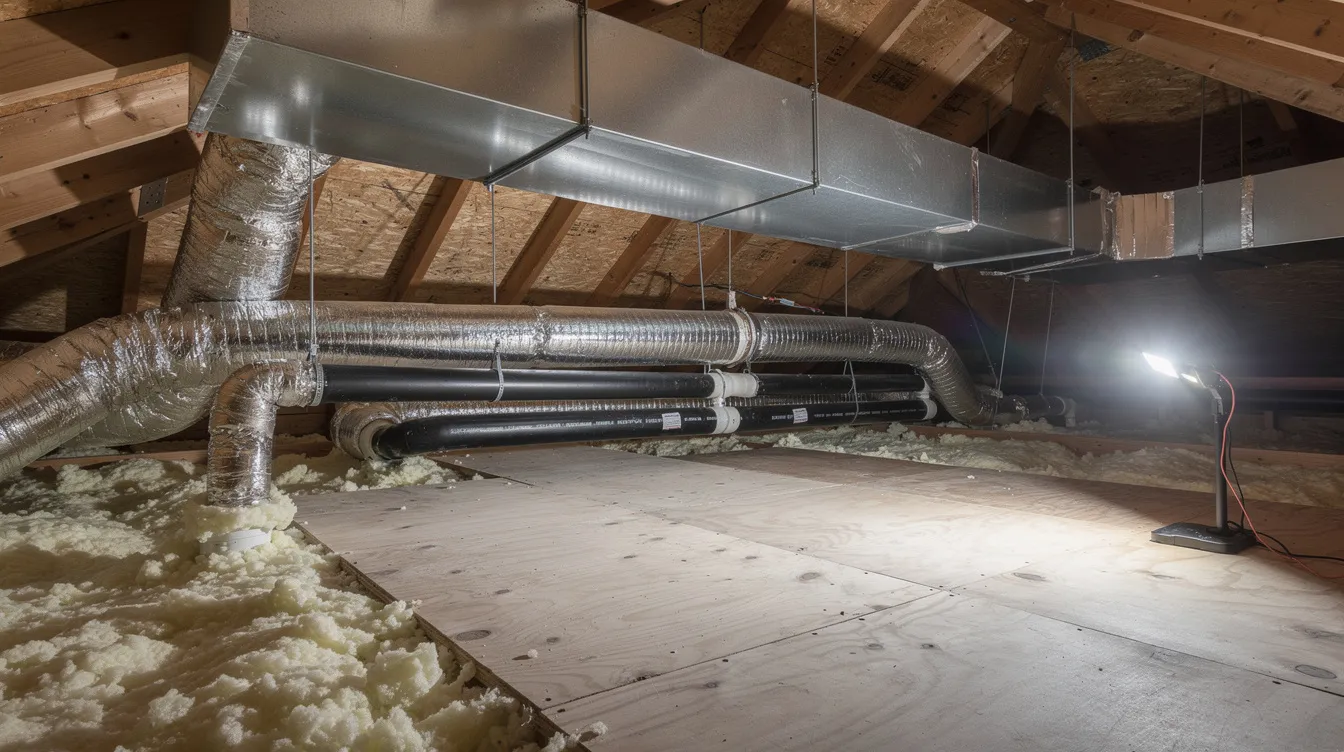
Even the best air conditioner cannot perform well with undersized, leaking, or poorly routed ductwork. Good ac installation services may include replacing undersized return ducts, sealing joints with mastic, adding supply registers, or relocating vents to problem rooms.
Manual dampers can balance airflow between floors, especially in two-story homes built before 1995. New duct sections in unconditioned space should be insulated to at least R-6 or the current local code minimum. Ask for before-and-after airflow or static pressure readings.
Electrical Connections, Controls, and Thermostat Setup
A licensed electrician or hvac technician connects the new system to dedicated circuits with correctly sized breakers. Before starting any electrical work during HVAC installation, it is crucial to turn off power at the main switch to prevent shocks or electrocution.
The crew installs a code-compliant disconnect within line-of-sight of the ac unit or heat pump, then configures thermostat wiring for multi-stage compressors, variable-speed blowers, or dual-fuel setups. Smart thermostat installation should include Wi‑Fi setup and weekday/weekend programming. All electrical work must be tested for voltage, polarity, and grounding before startup.
System Charging, Testing, and Startup
Technicians pull a vacuum on refrigerant lines to remove moisture and air before releasing or adding charge. Testing and startup of the HVAC system involves checking for leaks, verifying refrigerant charge, ensuring proper airflow, and calibrating thermostats to confirm the system operates safely and efficiently.
They also check subcooling, superheat, supply and return air temperatures, static pressure, and blower speeds. For gas furnaces, startup includes combustion testing, flue draft checks, and carbon monoxide testing. The final walk-through should cover filter changes, thermostat use, warranty registration, and first maintenance.
Safety Considerations During HVAC Install
Safety comes before speed because installation services involve gas, electricity, refrigerant, sharp sheet metal, ladders, and heavy equipment. Wearing protective equipment such as safety glasses and gloves is essential when handling sharp objects during HVAC installation to prevent injuries. Steel-toe footwear and respirators are also useful around old insulation or dust.
If you smell gas or smoke during HVAC installation, stop working immediately and call the fire department, as these can lead to dangerous situations. Technicians should use lockout/tagout practices, verify power is off with a meter, avoid overloaded panels, and use dollies or team lifts when moving air handlers into attics or basements.
Costs, Rebates, and Financing Options
The cost of an hvac installation includes equipment, labor, duct modifications, permits, disposal, electrical upgrades, thermostat controls, and accessories such as air cleaners, and finding out local prices for a new HVAC system and installation can help you benchmark quotes in your area. In broad 2025–2026 ranges, a standard 3-ton central air conditioner replacement may run about $4,500–$7,500 installed, while a complete high-efficiency heat pump system with more complex work can range from roughly $9,000–$15,000 or more, though a dedicated HVAC installation cost guide for DFW homeowners shows how regional labor rates and code changes can affect those figures.
Higher efficiency systems may qualify for utility rebates, manufacturer promotions, and federal or state tax credits under current energy-efficiency programs, and brand‑specific pricing resources like a Goodman HVAC installed cost guide for DFW can clarify how equipment choices affect your budget. Financing options may include low-APR loans, 0% promotional periods, or fixed monthly payment plans through the contractor or third-party lenders. Always compare itemized bids so hidden costs do not erase long-term savings.
When to Call Certified Technicians (and What to Expect)
Modern hvac work goes beyond typical DIY ability. Ensure the technicians are certified by the Environmental Protection Agency (EPA) to legally handle chemical refrigerants. Look for technicians certified by North American Technician Excellence (NATE), which serves as the gold standard for technical competence in the industry.
Call certified technicians immediately for tripped breakers after startup, refrigerant line icing, burning smells, persistent short cycling, or carbon monoxide alarms. During a service visit, technicians use gauges, meters, temperature readings, and airflow tests, then review findings and options with the homeowner.
Before hiring, verify the contractor holds an active license with your local or state contractors licensing board. Confirm they carry liability insurance and workers’ compensation to protect your property and prevent you from being liable for on-site injuries. Insist on a contractor who offers ongoing maintenance plans to keep the new system running optimally.
A properly installed and maintained HVAC system should provide reliable temperature control for a decade or more, and understanding how much a new AC unit costs in the DFW area can help set realistic expectations before you replace an aging system. Get multiple quotes, verify credentials, and choose the contractor who proves the design, safety, and performance details before the first tool comes out.
Compare HVAC Installation Costs in DFW & Houston
See real 2026 installed prices for central air conditioners and complete HVAC systems.
Central Air Installation Cost in DFW
Dallas, Plano, Frisco, McKinney, and surrounding cities.
Central Air Installation Cost in Houston
Houston, Katy, Sugar Land, The Woodlands, and nearby areas.
